
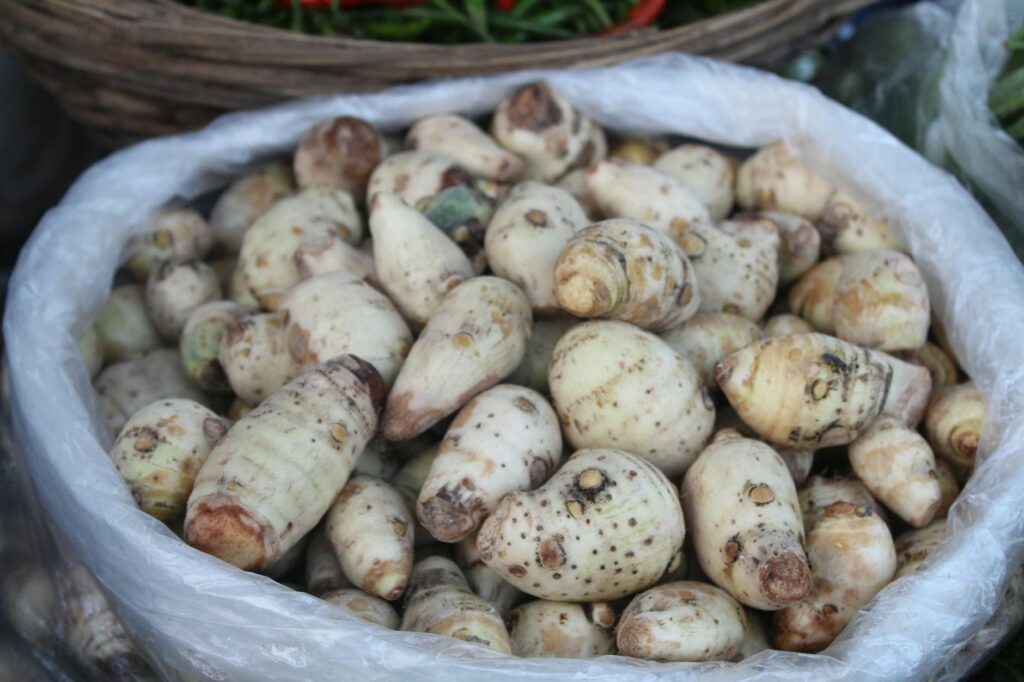
Taro in Traditional Cuisine
Introduction
Taro (Colocasia esculenta) is a starchy root vegetable that has been cultivated for thousands of years, primarily in tropical and subtropical regions. Known for its distinctive flavor and versatility, taro holds a significant place in the culinary traditions of many cultures across the globe. From Asia to the Pacific Islands, this humble tuber is celebrated not only for its nutritional value but also for its ability to enhance a wide array of dishes. This article delves into the rich tapestry of taro’s uses within traditional cuisine, exploring its history, production methods, and culinary applications.
What Is Uses?
In the context of food ingredients, “uses” refers to the various applications and preparations that a particular ingredient can undergo. For taro, this encompasses its incorporation into both savory and sweet dishes, its role in traditional ceremonies, and its significance in cultural practices. Understanding the uses of taro provides insight into its importance in various culinary traditions and highlights the creativity of chefs and home cooks alike.
History and Origins
Taro is believed to have originated in Southeast Asia, with archaeological evidence suggesting its cultivation dates back over 5,000 years. It spread through Polynesia and into the Pacific Islands, where it became a staple food source. Different varieties of taro were developed in various regions, each adapted to local climates and culinary practices. In many cultures, taro is not just food; it is intertwined with rituals, celebrations, and communal activities. For instance, in Hawaiian culture, taro is considered sacred, often referred to as “kalo,” and is the foundation of many traditional dishes.
Production and Processing
Taro is grown in wet, marshy conditions, making it well-suited for tropical climates. The plant thrives in well-drained, nutrient-rich soils and requires a consistent water supply. Harvesting typically occurs 7 to 12 months after planting, depending on the variety. Once harvested, taro must be handled carefully to prevent bruising, which can lead to spoilage.
After harvesting, taro undergoes a series of processing steps. It is usually washed, peeled, and cooked before being consumed. Cooking methods vary widely, with boiling, steaming, baking, and frying being the most common. Each method enhances the flavor and texture of the taro, making it suitable for a range of culinary applications.
Quality and Grading
The quality of taro is assessed based on various factors, including texture, color, and size. High-quality taro should be firm to the touch, with smooth skin and minimal blemishes. The flesh should be creamy white to light purple, depending on the variety. Grading systems may vary by region, but generally, taro is classified into premium, standard, and substandard categories based on these criteria. When purchasing taro, buyers should look for fresh, firm roots and avoid those with soft spots or signs of decay.
Buying Considerations
When selecting taro, it is essential to consider several factors to ensure optimal quality. First, examine the skin for any signs of damage, such as cuts or bruises, which can indicate spoilage. Fresh taro should feel heavy for its size and have a firm texture. Additionally, it is advisable to choose taro that is not overly large, as larger roots may have a more fibrous texture and less desirable flavor.
Purchasing taro from local farmers’ markets or specialty stores can often yield fresher and higher-quality produce compared to mass-market retailers. It is also beneficial to ask vendors about the origin and harvesting methods, as this can provide insight into the quality and flavor profile of the taro.
Uses and Applications
Taro’s versatility makes it a valuable ingredient in various culinary traditions. Here are some notable uses and applications of taro in traditional cuisine:
1. Savory Dishes
In many Asian cuisines, taro is used as a staple ingredient in savory dishes. It can be boiled, steamed, or stir-fried, often served alongside meats or in vegetable medleys. In Chinese cuisine, taro is commonly found in dishes like “taro and pork stew,” where it absorbs the rich flavors of the broth, enhancing the overall dish.
2. Desserts and Sweets
Taro is also popular in desserts, particularly in Southeast Asian cultures. In the Philippines, for example, taro is a key ingredient in the beloved “ube halaya,” a sweetened taro pudding that is often served during celebrations. In Thai cuisine, taro is used in “taro coconut pudding” and various sweet soups, where its natural sweetness complements coconut milk and other ingredients.
3. Cultural Significance
Beyond its culinary uses, taro plays a vital role in cultural rituals and celebrations. In Hawaii, for example, taro is used in traditional dishes like poi, a fermented taro paste that is a staple of the Hawaiian diet. Poi is not only a food item but also a symbol of ancestral connections and cultural heritage.
4. Street Food
In many regions, taro is transformed into street food delicacies. Taro cakes, often found in dim sum restaurants, are made from grated taro and served with a crispy exterior and soft interior. Street vendors in various countries also sell fried taro balls, which are crispy on the outside and fluffy within, often enjoyed as a snack or appetizer.
5. Beverages
Taro has also found its way into beverages, particularly in bubble tea, where taro-flavored drinks have become increasingly popular. The flavor and texture of taro blend seamlessly with milk and tea, creating a delightful drinking experience.
Storage and Shelf Life
Proper storage of taro is crucial to maintaining its freshness and quality. Fresh taro should be kept in a cool, dry place, away from direct sunlight. Ideally, it