
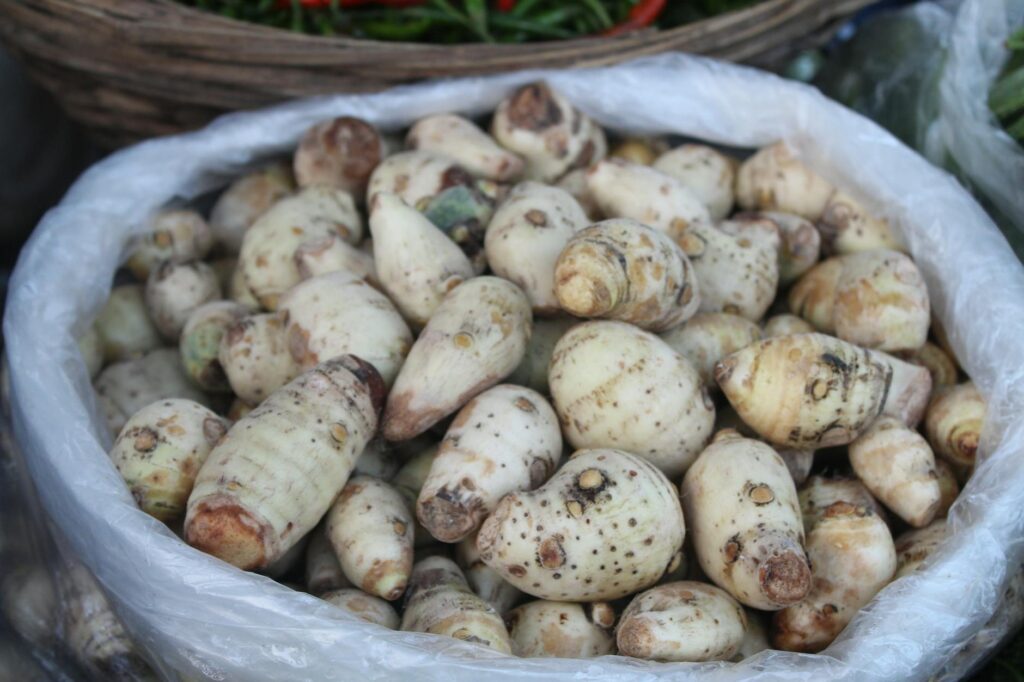
Taro Regions Guide Part 6
Introduction
Taro, a root vegetable cherished for its versatility and nutritional value, is cultivated across various regions worldwide. As we delve into the sixth part of our Taro Regions Guide, we will explore the distinct geographical areas where taro thrives, each contributing unique characteristics and cultural significance to this remarkable ingredient. Understanding these regions provides insights into the agricultural practices, production methods, and culinary applications of taro, enriching our appreciation of this ancient food source.
What Is Regions?
In the context of agricultural products, “regions” refer to specific geographical areas where certain crops are cultivated, often characterized by unique climatic, soil, and cultural conditions. These regions play a crucial role in determining the quality, flavor, and texture of the crops produced. For taro, the regions of cultivation range from tropical to subtropical climates, influencing its growth patterns, harvesting techniques, and the varieties that emerge in different parts of the world.
History and Origins
Taro (Colocasia esculenta) has a rich history dating back thousands of years. Indigenous to Southeast Asia and the Indian subcontinent, taro was one of the first cultivated crops, with evidence of its domestication tracing back to around 2000 BCE. Ancient civilizations recognized taro’s dietary importance, and it quickly became a staple food source.
Over centuries, taro spread through trade and exploration, finding its way to the Pacific Islands, Africa, and the Americas. In Hawaii, taro is particularly significant, revered as a cultural symbol and a traditional food source. The cultivation practices and varieties of taro have evolved in each region, reflecting local adaptations and agricultural heritage, further enriching its historical narrative.
Production and Processing
Taro thrives in wet, tropical, and subtropical regions, requiring ample rainfall and well-drained, fertile soil. Key regions for taro production include Southeast Asia, the Pacific Islands, Africa, and parts of the Caribbean.
Cultivation Practices
Taro is primarily grown in flooded fields or paddies, a practice that helps control weeds and pests while providing the moisture necessary for its growth. Farmers often use traditional techniques passed down through generations, such as planting in rows and maintaining specific water levels.
In recent years, modern agricultural practices have also been introduced, including the use of hybrid varieties that offer higher yields and disease resistance. Despite this modernization, many growers continue to adhere to traditional cultivation methods, particularly in regions where taro holds cultural significance.
Harvesting and Processing
The harvesting of taro typically occurs 7 to 12 months after planting, depending on the variety and environmental conditions. Farmers must carefully judge the optimal time for harvest to achieve the best flavor and texture. Once harvested, taro undergoes a careful processing stage to remove its skin, which can be toxic if consumed raw due to the presence of calcium oxalate crystals.
Post-harvest, taro is often washed, sorted, and graded based on size and quality. In some regions, it may be cooked, dried, or processed into flour or other products, depending on local culinary practices.
Quality and Grading
The quality of taro can vary significantly based on factors such as cultivation methods, region, and post-harvest handling. When purchasing taro, several grading criteria come into play:
Appearance
High-quality taro should have a firm texture, minimal blemishes, and a uniform shape. The skin should be free of cracks or soft spots, which can indicate spoilage or disease.
Size
Taro is available in various sizes, and while personal preference plays a role, uniformity in size is often preferred in commercial markets.
Freshness
Freshness is crucial for flavor and texture. Taro should be harvested at the right time to ensure optimal taste, and buyers should seek out recent harvests when possible.
Varietal Differences
Different regions produce distinct varieties of taro, each with unique characteristics. For instance, the Hawaiian variety known as “kalo” is particularly prized for its flavor and cultural importance, while other regions may focus on varieties that are more suited for specific culinary applications.
Buying Considerations
When purchasing taro, several factors should be taken into account to ensure quality and suitability for intended use:
Source
Buying from local farmers or reputable markets can offer fresher options and support sustainable agricultural practices. Understanding the origin of the taro can also provide insights into the growing conditions and potential flavor profiles.
Seasonality
While taro is available year-round in some regions, its peak season can influence flavor and availability. Purchasing during peak seasons often yields the best quality.
Preparation Needs
Consider how you plan to use taro. Some varieties may be better suited for boiling or steaming, while others excel in baking or frying. Understanding the characteristics of different types can enhance culinary outcomes.
Storage Conditions
When buying taro, it’s essential to consider how you will store it post-purchase, as this can affect its shelf life and quality.
Uses and Applications
Taro is a versatile ingredient with a wide range of culinary applications across different cultures. Its starchy, nutty flavor makes it suitable for various dishes, from savory to sweet.
Culinary Applications
- Savory Dishes: Taro is often used in soups, stews, and curries. In many Asian cuisines, it is employed in dishes like taro cakes or fried taro dumplings, where its texture complements other ingredients.
- Sweet Dishes: In the Pacific Islands, taro is frequently used in desserts, such as taro pudding or as a filling in pastries. Its natural sweetness lends itself well to sweet preparations.
- Starch and Flour: Taro can be ground into flour, used as a gluten-free alternative in baking or thickening agents in sauces and soups.
- Beverages: Taro is also utilized