
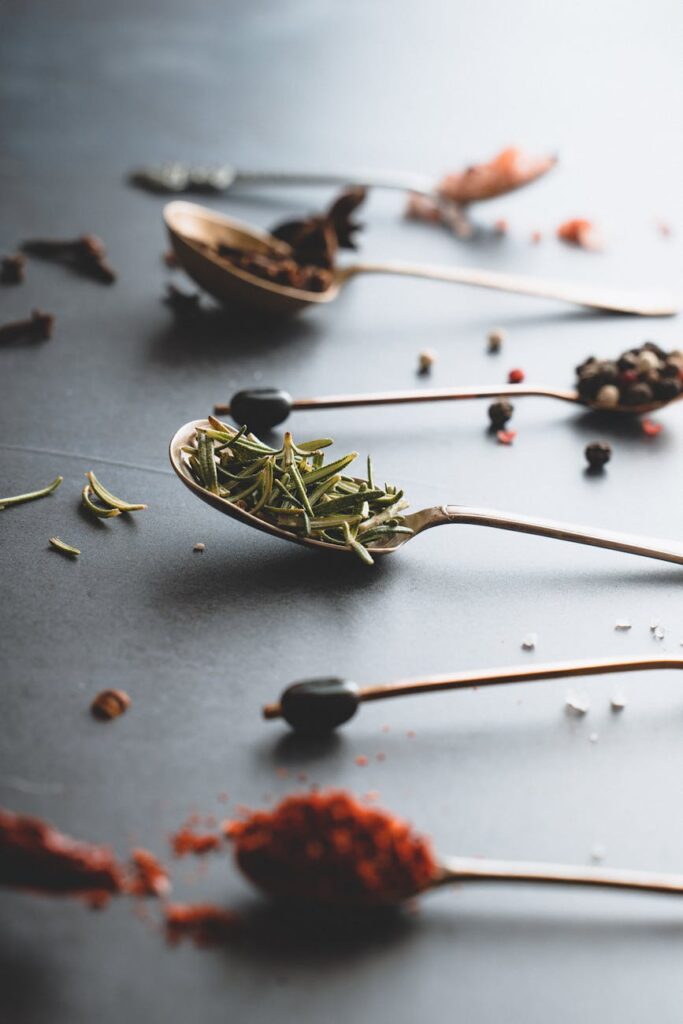
Tarragon Growing Guide Part 7
Introduction
Tarragon (Artemisia dracunculus), often referred to as the “king of herbs” in French cuisine, is a perennial herb known for its distinctive anise-like flavor. This guide aims to provide in-depth insights into the cultivation, history, and uses of tarragon, along with practical advice for growing this aromatic herb effectively. Whether you are a novice gardener or a seasoned horticulturalist, understanding the nuances of tarragon cultivation will enhance your culinary endeavors and expand your gardening repertoire.
What Is Growing?
Growing, in the context of tarragon, refers to the entire process of cultivating the herb from seed or cutting to harvesting and maintaining its health. This includes understanding its ideal growing conditions, propagation methods, pest management, and the various stages of its development. Proper growing techniques can significantly influence the flavor profile and overall quality of the tarragon, ensuring a vibrant and aromatic herb ready for culinary applications.
History and Origins
Tarragon has a storied history that traces back to Central Asia, particularly the regions of Mongolia and Siberia. Its name, derived from the French term “estragon,” has roots in the Latin word “dracunculus,” meaning “little dragon.” This association is believed to stem from ancient herbalists who attributed the plant with dragon-like properties, including strength and vitality.
Historically, tarragon has been utilized not only for its culinary qualities but also for its purported medicinal benefits. In ancient times, it was employed in various cultures for digestive ailments and as an appetite stimulant. Its popularity surged during the medieval period, particularly in France, where it became a staple in the kitchen and established itself as a key herb in the French culinary tradition. Today, French tarragon is highly prized, while Russian tarragon, which has a less pronounced flavor, is often considered inferior.
Production and Processing
Cultivation
Tarragon thrives in well-drained, sandy loam soils with a pH ranging from 6.0 to 7.0. The herb prefers full sun, requiring at least six to eight hours of sunlight per day. When planting tarragon, it can be propagated through seeds, cuttings, or divisions. However, French tarragon is typically propagated through cuttings or divisions, as its seeds are often sterile.
To plant tarragon, choose a location that receives ample sunlight. Space the plants about 18 inches apart, allowing for adequate air circulation. Water the plants regularly but avoid waterlogging, as tarragon is susceptible to root rot. Fertilization is generally not necessary, as tarragon can thrive in nutrient-poor soils, but a light application of organic compost in the spring can encourage robust growth.
Harvesting
Tarragon can be harvested once it reaches a height of about 12 inches. The best time to harvest is in the morning, after the dew has dried but before the sun is too intense. Snip the leaves or stems just above a leaf node to encourage bushier growth. Regular harvesting not only enhances the flavor but also promotes the plant’s vitality.
Processing
Post-harvest, tarragon can be used fresh or processed for storage. If desired, the leaves can be dried or frozen to preserve their flavor. Drying is best achieved in a cool, dark place, away from direct sunlight, to maintain the essential oils that contribute to its aromatic qualities.
Quality and Grading
The quality of tarragon is determined by several factors, including its flavor, aroma, and appearance. Fresh tarragon should exhibit vibrant green leaves with a slight sheen, indicating high moisture content. The flavor should be strong and slightly sweet, with a pronounced anise note.
When purchasing dried tarragon, look for uniformity in color and a strong, fragrant aroma. High-quality dried tarragon should have a bright green color, as browning can indicate age or poor storage conditions. Grading can vary by region, but generally, the best quality tarragon will come from reputable suppliers who prioritize freshness and proper handling.
Buying Considerations
When purchasing tarragon, whether fresh or dried, it is essential to consider the following factors:
1. Variety: French tarragon is preferred for culinary uses due to its robust flavor. Russian tarragon, while more readily available, lacks the same intensity and is often considered inferior.
2. Freshness: For fresh tarragon, choose firm, vibrant leaves without any signs of wilting or discoloration. When buying dried tarragon, opt for products in opaque packaging to protect against light degradation.
3. Source: Purchase from reputable sellers, whether local farmers’ markets or specialty herb suppliers. Look for organic certifications if possible, as this often indicates better growing practices.
4. Seasonality: Fresh tarragon is typically available in spring and summer. Buying in-season ensures optimal flavor and freshness.
Uses and Applications
Tarragon is a versatile herb with a wide array of culinary applications. Its unique flavor profile makes it a key ingredient in sauces, dressings, and marinades. Notably, it is a critical component of the classic French sauce béarnaise.
Tarragon pairs well with poultry, seafood, and vegetables, enhancing dishes with its aromatic qualities. It can be used fresh in salads or as a garnish or incorporated into oils and vinegars for added flavor depth. Additionally, tarragon can be infused in creams or sauces, imparting its distinct taste to a variety of dishes.
Beyond its culinary uses, tarragon is also employed in the beverage industry, particularly in cocktails and herbal teas. The infusion of tarragon in spirits adds a unique twist, making it a popular choice in mixology.
Storage and Shelf Life
Fresh Tarragon
To store