
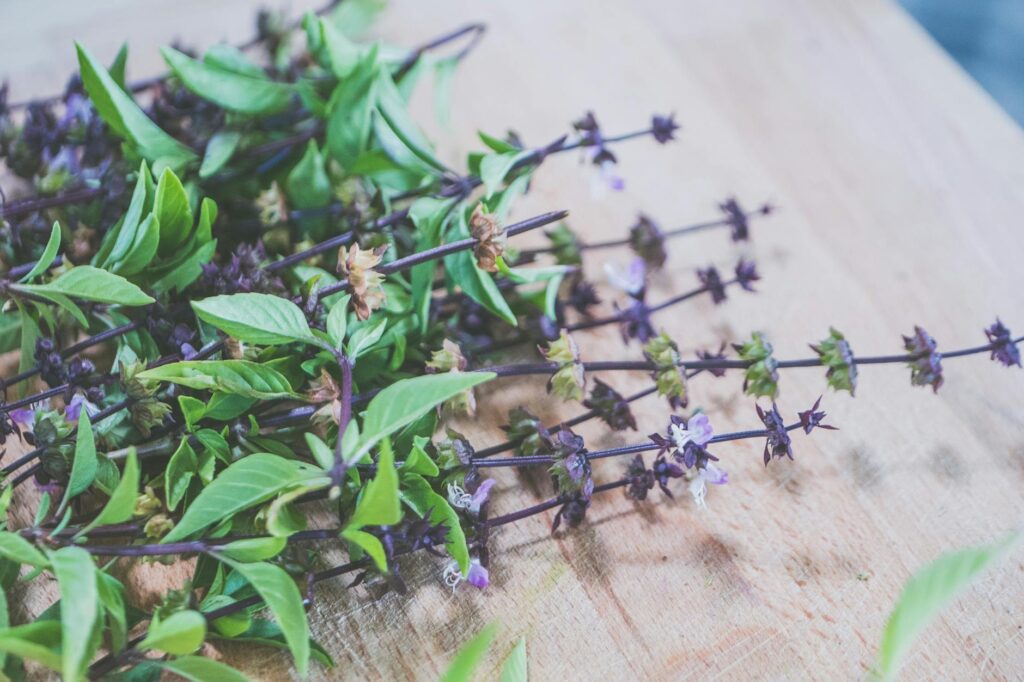
Thai Basil Around the World
Introduction
Thai basil, known scientifically as Ocimum basilicum var. thyrsiflora, is a fragrant herb that captures the essence of Southeast Asian cuisine. With its distinct flavor profile, characterized by a sweet, peppery taste and hints of anise, Thai basil plays a pivotal role in various culinary traditions. This article explores the diverse regions where Thai basil thrives, its history, production, quality assessment, and its myriad uses across the globe.
What Is Regions?
In the context of food ingredients, “regions” refers to the geographical areas where specific varieties of ingredients are cultivated, each offering unique characteristics influenced by local climate, soil, and agricultural practices. For Thai basil, these regions not only shape its flavor and aroma but also dictate its availability and culinary applications. Understanding the regions where Thai basil is grown provides insight into its versatility and importance across different cuisines.
History and Origins
Thai basil is believed to have originated in Southeast Asia, particularly in regions that now comprise Thailand and Vietnam. It is a variety of sweet basil, which has a long-standing history as a culinary and medicinal herb. The plant is thought to have been cultivated for over 5,000 years, making it an integral part of cultural and culinary traditions in these regions.
Thai basil was historically used not only for its culinary benefits but also for its aromatic properties in religious and cultural ceremonies. The herb is often associated with Thai cuisine, where it is used in dishes like pad kra pao and various curries. Its rise to global popularity can be attributed to the increasing interest in Thai and Southeast Asian cuisines in the 20th century, leading to its cultivation in other parts of the world.
Production and Processing
Cultivation
Thai basil thrives in tropical and subtropical climates, requiring warm temperatures and ample sunlight. Major producers include Thailand, Vietnam, and Taiwan, where the herb is cultivated in both small-scale farms and larger agricultural operations. The typical growing season lasts about 90 to 120 days, during which the plants require regular watering and nutrient-rich soil.
In addition to these primary regions, Thai basil has gained popularity in North America and Europe, where it is often grown in greenhouses or as an annual in gardens. The herb can be cultivated from seeds or cuttings, with growers often using organic farming practices to enhance flavor and sustainability.
Harvesting
Harvesting Thai basil is a meticulous process. Farmers typically pick the leaves just before the plant flowers, as this is when the flavor is most intense. The delicate leaves are hand-harvested to avoid bruising, and they must be processed quickly to retain their vibrant color and aromatic properties.
Processing and Packaging
Once harvested, Thai basil is often washed and dried to remove any impurities. It may be packaged fresh for local markets or processed into dried form for export. The drying process must be handled with care to ensure that the essential oils, which contribute to the herb’s unique flavor, are preserved.
Quality and Grading
The quality of Thai basil is determined by several factors, including leaf color, aroma, and flavor intensity. Fresh Thai basil should exhibit vibrant green leaves, a strong anise-like scent, and a tender texture.
Grading Standards
Thai basil is typically graded based on:
- Appearance: High-quality Thai basil should have no signs of browning or wilting. Leaf size and uniformity may also play a role in grading.
- Aroma: Fresh basil should have a strong, pleasant fragrance. A lack of aroma may indicate poor quality or age.
- Flavor: The flavor should be balanced, with a pronounced sweet and peppery profile.
- Curries: Adding depth and complexity to coconut milk-based dishes.
- Stir-fries: Enhancing the flavor of meat and vegetable stir-fries.
- Soups: Infusing broths with aromatic qualities.
- Salads: Providing a fresh, herbaceous note in salads and spring rolls.
In commercial settings, grading standards may vary by region, but the emphasis on freshness and aromatic qualities remains consistent across the board.
Buying Considerations
When purchasing Thai basil, several factors should be taken into account to ensure quality:
1. Freshness: Look for vibrant green leaves that are free from blemishes or wilting. Fresh basil should feel firm and have a strong aroma.
2. Source: Consider where the basil is sourced. Locally grown herbs may have a shorter time from farm to table, preserving flavor and freshness.
3. Organic vs. Conventional: Organic Thai basil is often preferred for its minimal pesticide use and more robust flavor profile.
4. Form: Thai basil is available fresh, dried, or frozen. Fresh basil is typically favored for culinary uses, while dried basil is convenient for long-term storage.
5. Seasonality: Thai basil is most flavorful during its growing season, so purchasing during peak months can enhance culinary experiences.
Uses and Applications
Thai basil is celebrated for its versatility in various culinary applications. It is a staple in Thai cuisine, often utilized in:
Outside of Southeast Asian cooking, Thai basil has found its way into fusion dishes around the world. Its unique flavor has inspired chefs to incorporate it into Western cuisines, from pasta dishes to gourmet pizzas, showcasing its adaptability.
Storage and Shelf Life
Fresh Thai Basil
Fresh Thai basil should be stored in a cool, dry place. Ideally, it should be kept in the refrigerator, wrapped in a damp paper towel to maintain humidity. When stored properly, fresh basil can typically last up to a week.
Dried and Frozen Thai Basil
Dried Thai basil, when stored in an airtight container in a cool, dark place, can last for several months. Frozen Thai basil retains its flavor longer than dried, typically lasting up to six months if stored in an airtight