
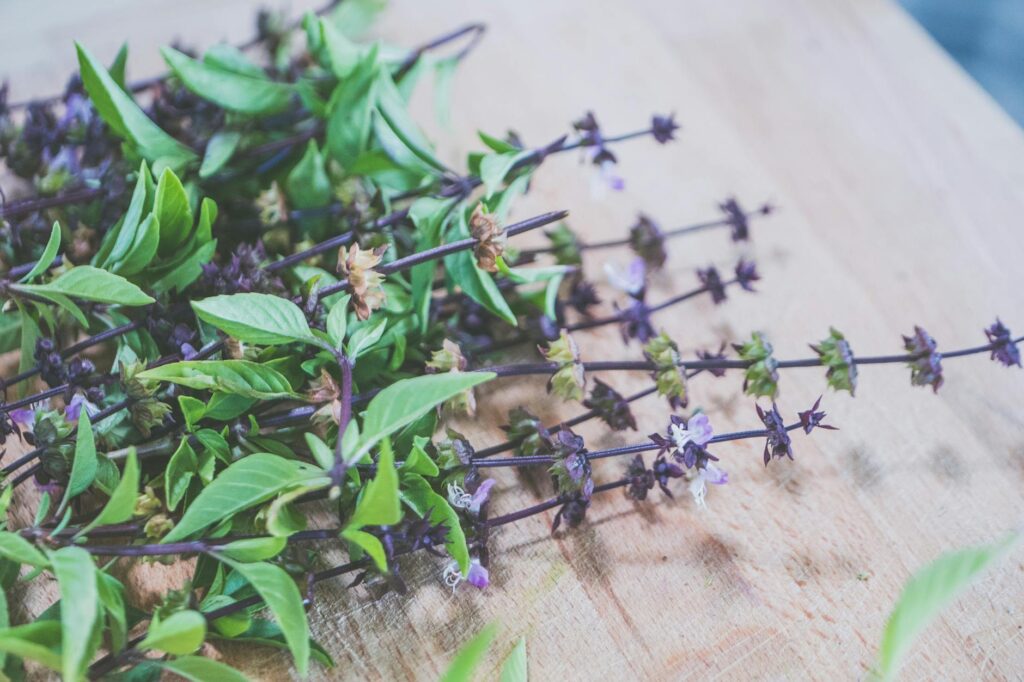
Thai Basil Growing Guide Part 6
Introduction
Thai basil, known scientifically as Ocimum basilicum var. thyrsiflora, is a fragrant herb celebrated for its distinct flavor and aromatic qualities. Unlike sweet basil, which is commonly used in Italian cuisine, Thai basil has a slightly peppery, anise-like taste that adds depth to a variety of dishes. Understanding how to cultivate this herb can enhance your culinary repertoire and provide fresh ingredients right from your garden. This guide will explore the intricacies of growing Thai basil, from its historical roots to practical applications in the kitchen.
What Is Growing?
In the context of horticulture, “growing” refers to the process of cultivating plants for various purposes, including culinary, medicinal, and ornamental uses. The growth of Thai basil involves understanding its life cycle, optimal growing conditions, and the care it requires to thrive. This herb is typically grown in warm climates and can be cultivated both indoors and outdoors, making it a versatile addition to any garden or home.
History and Origins
Thai basil is believed to have originated in Southeast Asia, where it has been cultivated for centuries. Its roots can be traced back to countries such as Thailand, Vietnam, and Laos, where it is a staple herb in local cuisines. The herb has adapted to various climates and soil types, making it resilient and widely used in numerous culinary traditions. The various cultivars of Thai basil, such as ‘Siam Queen’ and ‘Thai Hot,’ have been developed to meet diverse culinary needs, each bringing unique flavors and characteristics.
Production and Processing
Growing Thai basil involves several key stages, from seed preparation to harvesting.
1. Seed Selection
Start with high-quality seeds from reputable suppliers. Popular varieties include ‘Siam Queen,’ which offers a robust flavor, and ‘Thai Sweet Basil,’ known for its aromatic leaves.
2. Planting
Thai basil prefers well-drained soil rich in organic matter. The ideal pH level is between 6.0 and 7.0. Seeds can be sown directly into the garden after the last frost or started indoors 6-8 weeks prior to transplanting. When sowing seeds, plant them about 1/4 inch deep and keep the soil moist until germination.
3. Growing Conditions
This herb thrives in warm conditions, requiring full sun exposure for at least 6-8 hours a day. Ideal temperatures range from 70°F to 90°F (21°C to 32°C). Ensure adequate spacing between plants—approximately 12 to 18 inches apart—to allow for proper air circulation and growth.
4. Watering
Thai basil requires regular watering, particularly during dry spells. The soil should be kept consistently moist but not waterlogged. A drip irrigation system can help maintain optimal moisture levels.
5. Fertilization
Using a balanced, organic fertilizer can support healthy growth. Fertilize every 4-6 weeks during the growing season to promote lush foliage and robust flavor.
6. Pest and Disease Management
Common pests that affect Thai basil include aphids, spider mites, and whiteflies. Regular monitoring and the use of organic pesticides can mitigate infestations. Fungal diseases can be prevented through proper watering practices and ensuring good air circulation.
7. Harvesting
Harvesting can begin when the plants are about 6-8 inches tall. Pinch off the leaves and flowering tops to encourage bushy growth. The best time to harvest is in the morning when the essential oils in the leaves are at their peak.
Quality and Grading
The quality of Thai basil can be assessed based on several factors, including leaf color, aroma, and flavor. High-quality Thai basil should have vibrant green leaves, a strong aromatic profile, and a fresh, peppery taste. Grading may vary depending on local standards, but generally, the best quality is used for culinary purposes, while lower grades may be suitable for processing or drying.
Buying Considerations
When purchasing Thai basil, consider the following factors:
- Freshness: Look for vibrant, unblemished leaves. Avoid wilted or yellowing plants, as these indicate age or poor health.
- Source: Opt for organic varieties when possible, as they are less likely to contain harmful pesticides.
- Variety: Different cultivars offer unique flavor profiles. Experimenting with various types can enhance your culinary creations.
- Short-term Storage: Place fresh basil in a glass of water, like a bouquet, and cover it loosely with a plastic bag. This method can keep it fresh for several days at room temperature.
- Refrigeration: If refrigeration is necessary, wrap the basil in a damp paper towel and place it in a plastic bag. This method can extend its shelf life for about a week.
- Freezing: For long-term storage, Thai basil can be frozen. Chop the leaves and place them in ice cube trays filled with water or olive oil, then freeze. These cubes can be easily added to dishes later.
Uses and Applications
Thai basil is a versatile herb that plays a crucial role in many Southeast Asian dishes. Its unique flavor profile makes it an excellent addition to stir-fries, curries, soups, and salads. Beyond its culinary applications, Thai basil has also found its way into beverages, such as teas and cocktails, adding a refreshing twist. Additionally, the leaves can be used as a garnish or infused into oils for a fragrant addition to dishes.
Storage and Shelf Life
To maintain the freshness of Thai basil after harvesting or purchasing, proper storage techniques are essential. Here are some tips for optimal storage:
Common Misconceptions
One prevalent misconception about Thai basil is that it is interchangeable with sweet basil in all recipes. While both belong to the same family, their flavor profiles differ significantly. Thai basil’s unique taste and aroma are integral to many traditional dishes