
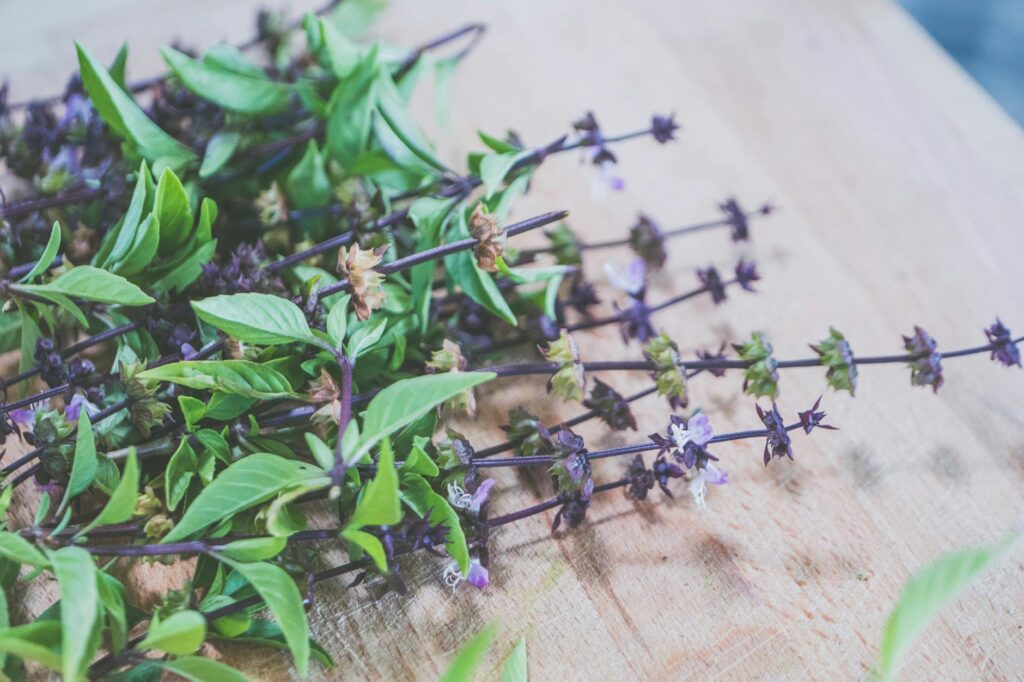
Thai Basil in Traditional Cuisine
Introduction
Thai basil (Ocimum basilicum var. thunbergii), known as “bai horapa” in Thailand, is an herb integral to Southeast Asian cooking, particularly in Thai, Vietnamese, and Lao cuisines. Characterized by its unique flavor profile—a blend of sweet and spicy with an anise-like aroma—Thai basil is a versatile ingredient that elevates dishes, adding both depth and freshness. This article explores the myriad uses of Thai basil in traditional cuisine, delving into its history, production, quality considerations, and more.
What Is Uses?
In the context of culinary ingredients, “uses” refers to the various ways in which an ingredient can be incorporated into dishes, enhancing flavor, aroma, and overall enjoyment. Thai basil is employed not only for its taste but also for its aromatic qualities, contributing to the sensory experience of a meal. Its uses span from fresh garnishes and key ingredients in sauces to essential components in marinades and stir-fries.
History and Origins
Thai basil is native to Southeast Asia, with its roots tracing back to regions that include Thailand, Vietnam, and Laos. It is believed to have been cultivated for over 2,000 years, initially for its medicinal properties before gaining prominence in culinary applications. The herb is a variant of the common basil, which has been adapted to the warm and humid climates of Southeast Asia. Over time, Thai basil has evolved into a staple ingredient, recognized for its distinct flavor that sets it apart from other basil varieties.
In Thailand, the herb is more than just a culinary element; it is woven into the cultural fabric of the nation. It appears in street food, home-cooked meals, and fine dining, symbolizing the rich heritage of Thai cuisine.
Production and Processing
Thai basil is cultivated in various regions across Southeast Asia, with Thailand being the leading producer. The herb thrives in warm, tropical climates, preferring well-drained soil and ample sunlight. Harvesting typically occurs during the dry season, allowing for optimal growth and flavor concentration.
Once harvested, Thai basil is usually sold fresh, but it can also be dried for preservation. The drying process involves gentle air-drying or using low heat to maintain the herb’s distinct flavor and aroma. Fresh Thai basil is often used immediately to capture its vibrant taste, while dried forms are common in specific regional dishes.
Quality and Grading
The quality of Thai basil is assessed based on several criteria, including leaf color, aroma, and overall freshness. High-quality Thai basil should exhibit bright green leaves, free from blemishes or discoloration. The aroma should be fragrant and distinct, indicative of its fresh state.
Grading systems may vary by region, but generally, the best quality is sought after for culinary uses, particularly in traditional dishes where the herb’s flavor is central. In commercial markets, consumers are encouraged to purchase organic or locally sourced Thai basil to ensure the highest quality and flavor.
Buying Considerations
When purchasing Thai basil, several factors should be taken into account:
1. Freshness: Look for vibrant green leaves that are not wilted or discolored. Fresh Thai basil has a strong, aromatic scent, while older leaves may lack fragrance.
2. Form: Thai basil is available fresh, dried, or in potted plants. Fresh basil is preferred for most culinary applications, but dried basil can be a convenient alternative in certain dishes.
3. Source: Consider buying from local farmers’ markets or organic vendors to ensure quality and support sustainable farming practices.
4. Seasonality: Thai basil is typically in season during the warmer months. Purchasing in season can enhance flavor and quality.
5. Taste Profile: Different varieties of Thai basil may have slight variations in flavor. Sampling different types can help identify personal preferences.
Uses and Applications
Thai basil is celebrated for its versatility in traditional cuisine. Here are some of the most notable uses and applications:
Curries
In Thai cooking, Thai basil is often a key ingredient in various curries, such as green curry and red curry. Its aromatic properties complement the rich, spicy flavors of the curry paste, enhancing the overall dish.
Stir-Fries
Thai basil adds a fresh, peppery flavor to stir-fries, often tossed in at the end of cooking to preserve its vibrant aroma. Dishes like Pad Krapow Moo (stir-fried pork with basil) showcase the herb’s ability to elevate simple ingredients into something extraordinary.
Soups
In soups such as Tom Yum and Pho, Thai basil is a customary garnish, providing a refreshing contrast to the heat of chili and the depth of broth.
Salads
Fresh Thai basil is frequently used in salads, bringing a unique flavor that complements a variety of dressings. Its inclusion in dishes such as Yum Woon Sen (glass noodle salad) adds a delightful herbal note.
Marinades and Sauces
Thai basil is often incorporated into marinades and sauces, providing complexity and enhancing umami flavors. It is commonly blended into dipping sauces for grilled meats and seafood, offering a fresh burst of flavor.
Garnishing
Beyond its culinary uses, Thai basil is widely recognized as a garnish, adding visual appeal and a burst of flavor to dishes. Its bright green leaves can be sprinkled atop finished plates or used to infuse oils for added aroma.
Storage and Shelf Life
To maintain the freshness of Thai basil, proper storage is essential. Fresh basil should be kept in a cool, dry place, ideally in a hydrated state, such as in a glass of water like cut flowers. Covering the leaves loosely with a plastic bag can also help retain moisture.
In the refrigerator, fresh Thai basil can last up to a week if stored properly. For longer storage, blanching and freezing the leaves can preserve flavor, although this may alter the texture.
Dried Thai basil should be kept in a cool