
Thai Basil Myths and Misconceptions
Introduction
Thai basil (Ocimum basilicum var. thunbergii) is a vibrant, aromatic herb that plays an integral role in Southeast Asian cuisine, particularly in Thai dishes. Its distinct flavor profile, characterized by a slight anise or licorice note, sets it apart from its more commonly known cousin, sweet basil. Despite its popularity, numerous myths and misconceptions surround Thai basil, which can lead to confusion among chefs, home cooks, and culinary enthusiasts alike. This article aims to debunk these myths while providing an authoritative overview of Thai basil, covering its history, production, and practical applications in the culinary world.
What Is Thai Basil?
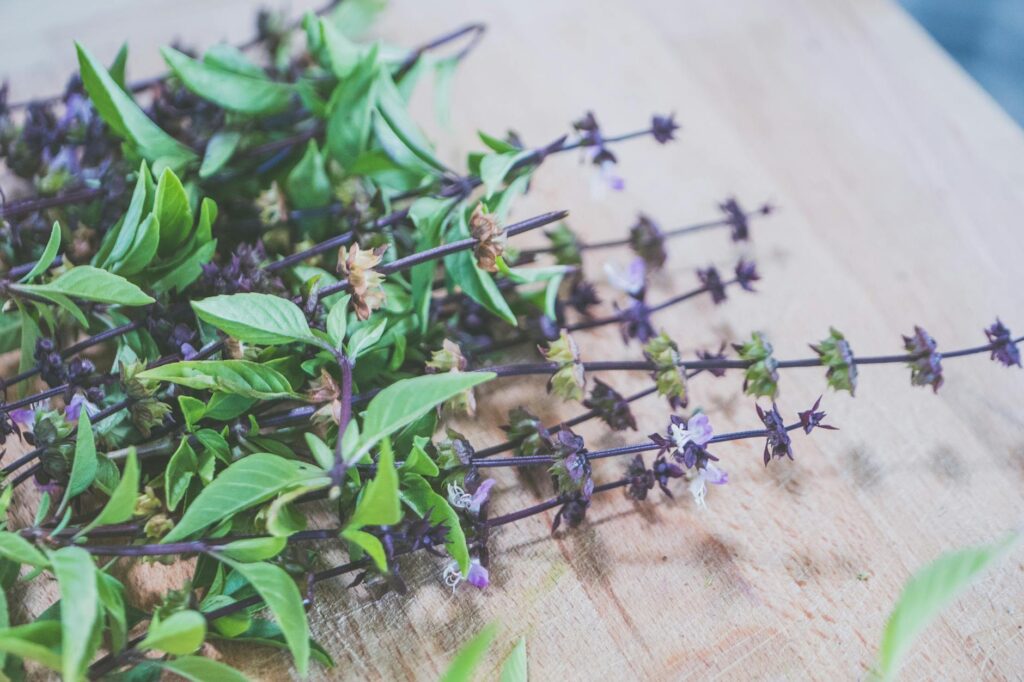
Thai basil is a herb that belongs to the mint family (Lamiaceae). It is known for its glossy green leaves, purple stems, and small purple flowers. The plant typically grows to about 12 to 18 inches in height and thrives in warm climates. Unlike sweet basil, which has a sweet, clove-like flavor, Thai basil possesses a spicy and peppery taste, making it an essential ingredient in various traditional dishes, including curries, soups, and stir-fries.
History and Origins
The origins of Thai basil can be traced back to Southeast Asia, where it has been cultivated for centuries. It is believed to have originated in the region encompassing modern-day Thailand, Vietnam, and Laos. Thai basil is deeply rooted in Asian culinary traditions, and its use extends beyond flavoring food; it also holds cultural significance in various rituals and practices.
Through trade routes, Thai basil made its way to different parts of the world, including Europe and the Americas. It has gained popularity in Western cuisines, particularly in fusion dishes. However, its traditional applications remain at the forefront of its identity.
Production and Processing
Thai basil is primarily cultivated in tropical and subtropical climates. Major producers include Thailand, Vietnam, and other Southeast Asian countries. The herb is typically grown in rich, well-drained soil and requires full sun for optimal growth. It can be grown in gardens, pots, or commercially on larger farms.
Once harvested, Thai basil is generally processed minimally to retain its aromatic qualities. The leaves are often used fresh, but they can also be dried or frozen to extend their shelf life. Careful handling during harvesting and processing is crucial, as the leaves can bruise easily, leading to a loss of flavor and aroma.
Quality and Grading
Quality assessment of Thai basil involves several factors, including leaf color, texture, and aroma. Fresh Thai basil leaves should be vibrant green, free of blemishes, and possess a strong, fragrant scent. The grading system generally categorizes the herb based on these criteria, ensuring that only the best quality reaches consumers.
For dried Thai basil, the grading focuses on the color and size of the leaves, as well as the intensity of the aroma. High-quality dried basil should maintain a rich green color and fragrant scent, indicative of proper harvesting and drying methods.
Buying Considerations
When purchasing Thai basil, it is essential to consider several factors to ensure the best quality. Fresh Thai basil is generally available at Asian markets, specialty grocery stores, and farmers’ markets. Look for leaves that are vibrant and unblemished, with a firm texture. Avoid wilted or discolored leaves, as they are signs of age or improper handling.
If buying dried Thai basil, check the packaging for information on its origin and processing methods. Buying from reputable suppliers can help guarantee quality. For those who prefer home gardening, starting Thai basil from seeds can be rewarding, as it allows for control over growing conditions and freshness.
Uses and Applications
Thai basil is widely used in various culinary applications. Its unique flavor profile makes it a versatile ingredient in numerous dishes. Some common uses include:
- Curries: Thai basil is a staple herb in many Thai curries, adding depth and complexity to the dish.
- Soups: It is often used in traditional soups, such as Tom Yum, where its aromatic qualities enhance the overall flavor.
- Salads: Fresh Thai basil leaves can be used in salads, providing a refreshing taste that pairs well with other ingredients.
- Stir-Fries: The herb is commonly added to stir-fries, contributing a fragrant aroma and peppery flavor.
- Garnishes: Thai basil is often used as a garnish for various dishes, adding a burst of color and flavor.
In addition to these culinary applications, Thai basil is also used in herbal teas and infusions, showcasing its versatility beyond traditional cooking.
Storage and Shelf Life
Proper storage of Thai basil is crucial to maintaining its flavor and aroma. Fresh Thai basil can be stored in the refrigerator, ideally wrapped in a damp paper towel and placed in a plastic bag. This method helps to retain moisture while preventing wilting. Fresh basil typically lasts about a week in the refrigerator.
For longer shelf life, Thai basil can be dried or frozen. Dried leaves should be stored in an airtight container in a cool, dark place, where they can last for several months. Freezing is another effective method; whole leaves or chopped basil can be frozen in ice cube trays with water or oil, allowing for convenient use in cooking.
Common Misconceptions
Despite its growing popularity, many misconceptions about Thai basil persist. This section aims to address some of the most common myths:
Myth 1: Thai Basil and Sweet Basil Are the Same
While both herbs belong to the same species, they are distinctly different in flavor and appearance. Thai basil has a spicy, anise-like flavor, while sweet basil is sweeter and more clove-like. This difference significantly impacts their culinary applications.
Myth 2: Dried Thai Basil Is Just as Good as Fresh
While dried Thai basil can be a convenient alternative, it lacks the vibrant flavor and aroma of fresh basil. The drying process