
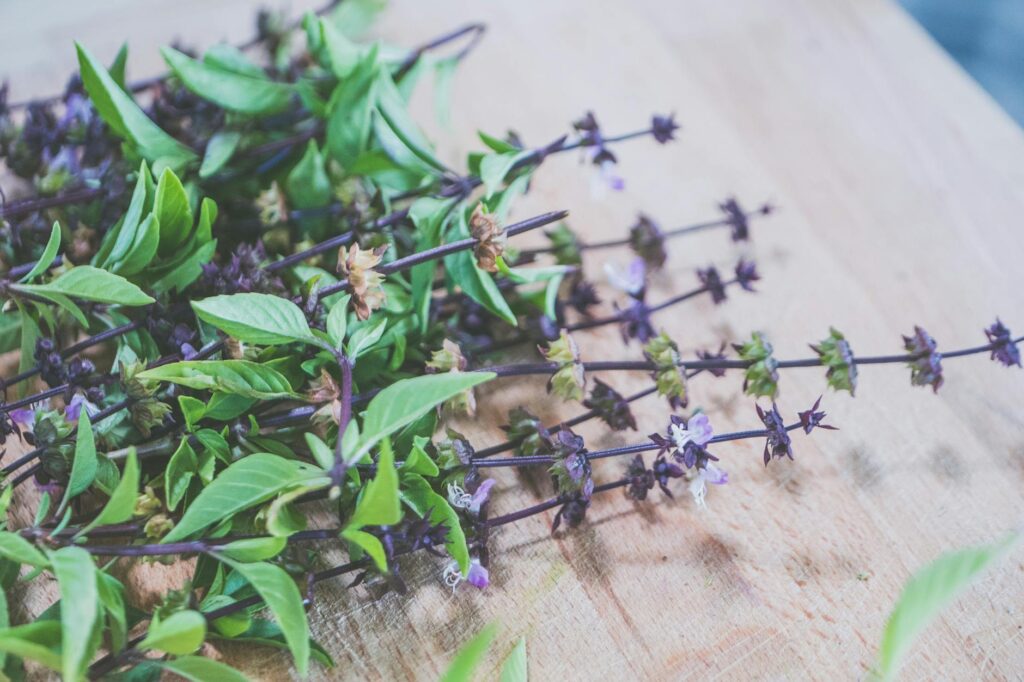
Thai Basil Production by Country
Introduction
Thai basil, known scientifically as Ocimum basilicum var. thyrsiflora, is a fragrant herb widely celebrated for its unique flavor profile and culinary versatility. Its slightly spicy, anise-like notes distinguish it from its Mediterranean counterpart, sweet basil. While Thai basil is a staple in Southeast Asian cuisine, particularly in Thailand, its cultivation has spread across various regions globally. This article delves into the production of Thai basil by country, examining its history, processing methods, quality standards, and more.
What Is Regions?
In the context of agricultural production, “regions” refers to specific geographical areas where certain crops are cultivated. These regions can be defined by climatic conditions, soil types, and cultural practices that influence the growth and quality of the plants. For Thai basil, regions play a crucial role in determining flavor, aroma, and overall quality, with each location imparting unique characteristics to the herb.
History and Origins
Thai basil has roots that trace back to Southeast Asia, particularly Thailand, where it has been cultivated for centuries. The herb is believed to have been introduced to the region through trade routes connecting Asia to the Mediterranean. The adaptation of the plant to the tropical climate has fostered its distinct flavor, making it a favorite among local chefs and home cooks alike.
Historically, Thai basil has been used not only in culinary applications but also in traditional medicine. It is often associated with various cultural practices, particularly in religious rituals and festivals. As globalization increased, the herb began to spread beyond its native borders, leading to its cultivation in countries such as the United States, Japan, and Australia, where it has found a place in both Asian cuisine and fusion dishes.
Production and Processing
Major Producing Countries
1. Thailand: As the birthplace of Thai basil, Thailand remains the largest producer of the herb. The central and northeastern regions are particularly notable for their extensive basil farms. Traditional farming methods are often employed, with farmers using organic practices to enhance flavor and aroma.
2. Vietnam: Another significant producer, Vietnam, has a climate conducive to growing Thai basil. The herb is commonly found in local markets and is essential to many Vietnamese dishes, such as pho and spring rolls.
3. United States: In recent years, the U.S. has emerged as a notable producer of Thai basil, especially in California. Here, the Mediterranean climate allows for year-round cultivation, and the herb is increasingly being grown by small-scale farmers and agricultural co-ops.
4. Japan: Known as “Thai basil” or “bai horapha,” this herb is cultivated primarily in greenhouses due to Japan’s varying climatic conditions. The Japanese market appreciates the herb for its unique flavor, particularly in contemporary Asian cuisine.
5. Australia: Australia has seen a rise in basil cultivation, including Thai basil, especially in Queensland. The herb is often grown in home gardens and commercial farms, catering to both local consumption and export markets.
Cultivation Techniques
Thai basil thrives in warm, sunny climates with well-draining soil. Farmers often use organic fertilizers and pest control methods to maintain sustainability and enhance the herb’s natural flavors. Harvesting typically occurs when the plant reaches maturity, which is around 60 to 90 days post-planting. The leaves are hand-picked to ensure minimal damage, preserving their aromatic qualities.
Quality and Grading
Quality assessment of Thai basil is crucial for determining its market value. Several factors influence the grading of Thai basil:
1. Aroma: The intensity and complexity of the herb’s fragrance are key indicators of quality. High-quality Thai basil will have a pronounced anise and clove scent.
2. Color: Fresh Thai basil leaves should be vibrant green, indicating proper cultivation and freshness. Yellow or brown leaves are signs of aging or unfavorable growing conditions.
3. Texture: The leaves should be firm and unblemished, with a smooth surface. Wilted or damaged leaves are considered inferior.
4. Size: While size may vary, consistency in leaf size is often preferred in commercial markets.
Grading systems can differ by country, but the focus remains on these key attributes. In markets, Thai basil is often sold in bunches or as loose leaves, with quality directly influencing price and demand.
Buying Considerations
When purchasing Thai basil, several factors should be taken into account:
1. Freshness: Look for vibrant, green leaves without signs of wilting or discoloration. Freshness is crucial for flavor and aroma.
2. Source: Whenever possible, choose locally sourced herbs, as they are often fresher and more flavorful. Organic options are also preferable, as they tend to have a richer taste.
3. Seasonality: Thai basil is typically available year-round in warmer climates. However, in areas with colder climates, it may be seasonal. Knowing the best times to buy can ensure optimal quality.
4. Packaging: Check for proper packaging that protects the leaves from damage and moisture loss. Loose leaves may be less expensive but can lose freshness quickly.
5. Varieties: Be aware that there are several varieties of Thai basil, including ‘Siam Queen’ and ‘Thai Hot’. Each variety has its own unique flavor profile, so it’s essential to select one that suits your culinary needs.
Uses and Applications
Thai basil is a versatile herb used in various culinary applications. Its unique flavor complements a range of dishes, including:
- Stir-Fries: The herb is a staple in many stir-fried dishes, where its aroma enhances the overall flavor profile.
- Soups: Commonly added to soups such as tom yum and pho, Thai basil contributes a fresh, aromatic layer.
- Salads: Fresh leaves can be used in salads, providing a peppery kick and vibrant color.