
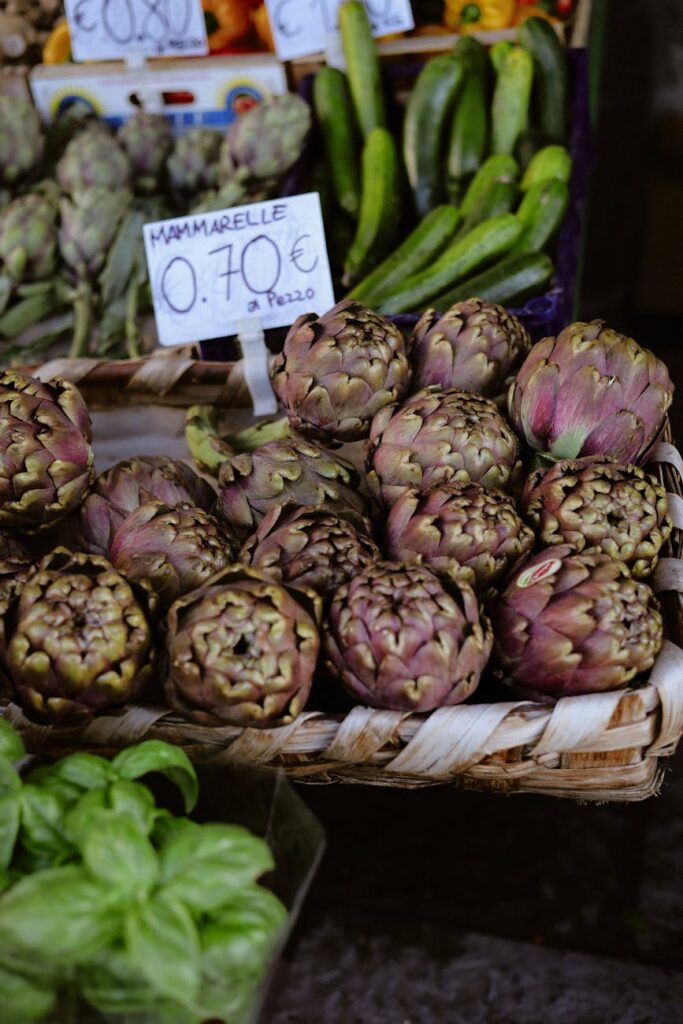
The History of Artichoke
Introduction
The artichoke, a thistle-like perennial plant, is celebrated not only for its unique flavor but also for its rich cultural history and culinary significance. Known scientifically as Cynara scolymus, the artichoke has captivated the palates of many across various cultures for centuries. This article delves into the fascinating journey of the artichoke, exploring its origins, production, uses, and the various factors that contribute to its esteemed position in global cuisine.
What Is About?
The artichoke is a flowering plant belonging to the Asteraceae family, which also includes daisies and sunflowers. Primarily cultivated for its edible buds, artichokes can be prepared in numerous ways, from steaming to grilling, and they are often highlighted in Mediterranean dishes. The edible part of the artichoke consists of the budding flower, which is typically harvested before it blooms. The leaves, heart, and stem are all considered delicacies, each offering a distinct texture and flavor.
History and Origins
Artichokes have a storied history that traces back to the Mediterranean region. Evidence suggests that the plant was cultivated as early as the 4th century BCE, with references found in ancient texts. The Greeks and Romans revered the artichoke not only for its taste but also for its purported health benefits.
Ancient Times
The earliest known cultivation of artichokes occurred in the Mediterranean basin, particularly in regions that are now modern-day Italy, Spain, and France. The Greeks believed the artichoke had aphrodisiac properties, and it was often reserved for the elite. The Roman philosopher Pliny the Elder mentioned the artichoke in his writings, further solidifying its status in ancient culinary traditions.
Middle Ages
During the Middle Ages, the artichoke’s popularity waned in Europe but persisted in North Africa, where it became a staple in the cuisine of various cultures. The Moors introduced the artichoke to Spain, where it flourished. By the 15th century, artichokes had made a significant comeback in Europe, especially in France and Italy, becoming a pivotal ingredient in many dishes.
Renaissance to Modern Era
The Renaissance marked a resurgence of interest in artichokes in Europe. They became a symbol of sophistication and were often featured in lavish banquets. In the 18th century, French chefs began to experiment with artichokes in more elaborate recipes, paving the way for their inclusion in haute cuisine.
By the 19th century, the cultivation of artichokes expanded to the United States, where they found a welcoming environment in California. Today, California is the largest producer of artichokes in the United States, with Castroville being recognized as the “Artichoke Capital of the World.”
Production and Processing
Artichokes thrive in temperate climates, requiring well-drained soil and ample sunlight. The cultivation process typically begins with the planting of seeds or rooted suckers. It takes about 12 to 18 months for artichokes to mature and be ready for harvest.
Cultivation Techniques
Farmers often employ sustainable practices to cultivate artichokes, including crop rotation and organic fertilization. Artichoke plants are perennial, meaning they can yield for several years if properly cared for. Harvesting involves cutting the buds from the plant before they bloom, which requires careful timing and skill to ensure optimal flavor and texture.
Processing
Once harvested, artichokes are quickly washed and prepared for distribution. They may be sold fresh, frozen, or canned. Fresh artichokes have a relatively short shelf life, necessitating swift processing and distribution to maintain their quality.
Quality and Grading
The quality of artichokes is determined by several factors, including size, color, and firmness. High-quality artichokes are characterized by tightly closed leaves, a vibrant green color, and a firm texture.
Grading Standards
Artichokes are typically graded according to industry standards. U.S. grades include:
- U.S. No. 1: The highest quality with uniform size and color.
- U.S. No. 2: Slightly lower quality with minor defects.
- Steaming: One of the most common methods, steaming artichokes preserves their delicate flavor.
- Grilling: Grilled artichokes acquire a smoky flavor that enhances their natural sweetness.
- Stuffing: Artichokes can be stuffed with various fillings, from breadcrumbs to cheeses, for a hearty dish.
- Pureeing: Artichokes can be blended into soups or dips, providing a creamy texture.
- Refrigeration: Keep them in a perforated plastic bag in the vegetable crisper drawer of your refrigerator. This helps maintain humidity without accumulating excess moisture.
- Freezing: For long-term storage, artichokes can be blanched and frozen. This process preserves their flavor and texture for several months.
Proper grading ensures that consumers receive quality products, and it facilitates fair trade practices in the marketplace.
Buying Considerations
When purchasing artichokes, several factors should be taken into account to ensure the best quality:
1. Seasonality: Fresh artichokes are typically in season from March to May, though availability may vary by region.
2. Appearance: Look for artichokes with tightly closed leaves and a deep green color. Avoid those with browning or wilted leaves.
3. Size: Smaller artichokes tend to be more tender and flavorful, while larger ones can be tougher and require more extensive cooking.
4. Weight: A good artichoke should feel heavy for its size, indicating moisture and freshness.
5. Origin: Choosing locally sourced artichokes can enhance flavor and support local agriculture.
Uses and Applications
Artichokes are versatile ingredients that can be utilized in a variety of culinary applications. They can be served as appetizers, main dishes, or even incorporated into salads, dips, and spreads.
Culinary Techniques
Their unique flavor profile pairs well with a variety of ingredients, including lemon, garlic, and herbs, making them a delightful addition to many dishes.
Storage and Shelf Life
Fresh artichokes have a relatively short shelf life and should ideally be consumed within a week of purchase. To store fresh artichokes:
Canned and jarred artichokes have a longer shelf life and can be stored in a cool, dark place.
Common Misconceptions
Despite their popularity, several misconceptions about artichokes persist:
1. Only the Hearts Are Edible: While the heart is a delicacy, the leaves and stem are also edible and flavorful. Many cultures utilize the entire plant in various dishes.
2. Artichokes Are Difficult to Prepare: While they may seem intimidating, artichokes can be easily prepared with a few simple techniques. With practice, they can become a staple in any kitchen.
3. Artichokes Are Only a Spring Vegetable: While they are in peak season during spring, artichokes can be found year-round in various forms, including frozen and canned.
4. All Artichokes Are the Same: There are numerous varieties of artichokes, each with its own unique flavor and texture. The globe artichoke is the most commonly available, but varieties like the baby artichoke and purple artichoke offer different culinary experiences.
Frequently Asked Questions
1. How do I choose the best artichokes at the store?
Look for artichokes that are firm, heavy, and have tightly closed leaves. Avoid those with browning or wilting.
2. Can I eat the leaves of the artichoke?
Yes, the leaves are edible. You can scrape the tender part off the leaf with your teeth.
3. How do I prepare an artichoke for cooking?
To prepare an artichoke, cut off the stem, trim the tips of the leaves, and remove the tough outer leaves. Rinse under cold water before cooking.
4. Are there different types of artichokes?
Yes, there are several varieties, including globe, baby, and purple artichokes, each offering different flavors and textures.
5. How long do artichokes last after being harvested?
Fresh artichokes should be consumed within a week of purchase for optimal freshness. They can be frozen for longer storage.
6. Can I grow artichokes at home?
Yes, artichokes can be grown in home gardens, provided they have ample sunlight and well-drained soil. They are perennial and can yield for several years with proper care.
In conclusion, the artichoke is not merely a vegetable; it is a symbol of culinary heritage and tradition. From its ancient roots in the Mediterranean to its modern-day applications in kitchens worldwide, the artichoke continues to be celebrated for its unique flavor and versatility. Understanding its history and significance enhances the appreciation of this remarkable ingredient, inviting culinary enthusiasts to explore its many dimensions.