
The History of Arugula
Introduction
Arugula, scientifically known as Eruca sativa, has garnered significant attention in recent years for its peppery flavor and nutritional benefits. Often found in salads, garnishes, and various culinary applications, arugula is not just a modern trend; it has a rich history intertwined with ancient civilizations, gastronomic evolution, and cultural significance. This article delves into the history of arugula, exploring its origins, production, quality, and place in contemporary cuisine.
What Is Arugula?
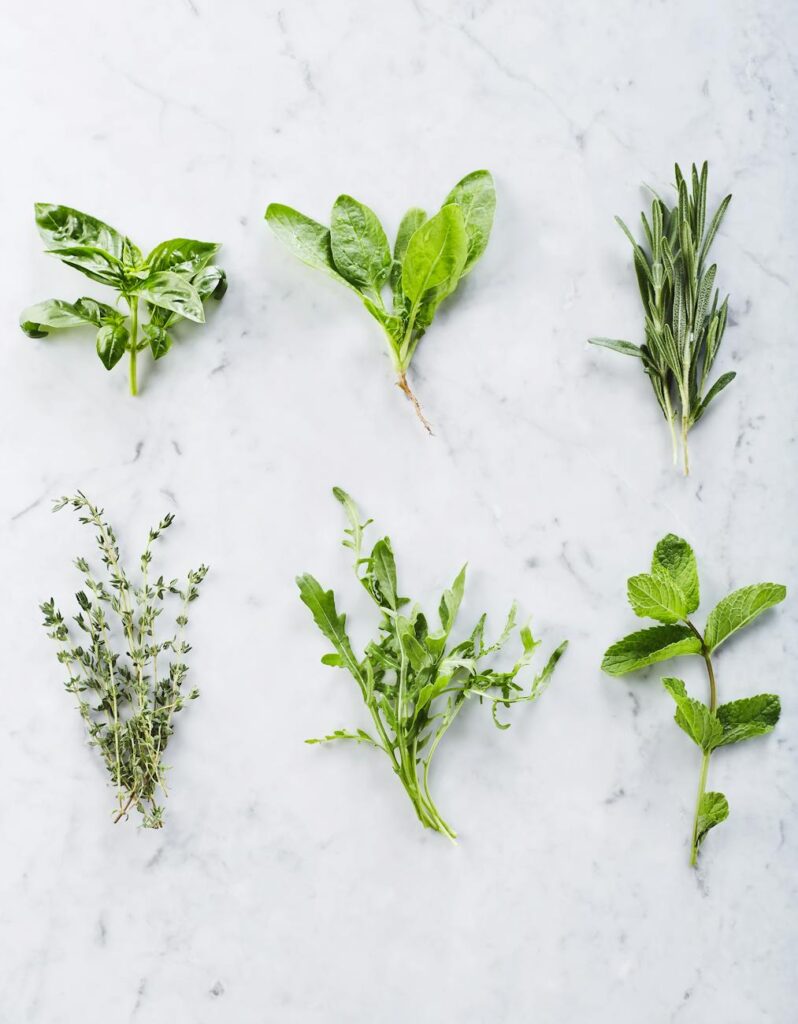
Arugula is a leafy green vegetable belonging to the Brassicaceae family, which also includes mustard, cabbage, and broccoli. Characterized by its distinctive lobed leaves and a pungent, peppery flavor, arugula is often utilized in salads, sandwiches, and as a garnish. It is known for its high nutritional value, containing vitamins A, C, and K, as well as essential minerals and antioxidants.
History and Origins
Arugula’s history dates back to ancient civilizations. It is believed to have originated in the Mediterranean region, where it was cultivated by the Romans and Greeks as early as 2000 BCE. The Romans held arugula in high esteem, viewing it as an aphrodisiac and using it in various culinary applications. Ancient texts from Pliny the Elder, a Roman author and naturalist, note the use of arugula in salads and as a condiment.
By the Middle Ages, arugula found its way into various European cuisines. It was often grown in monastery gardens, appreciated for both its flavor and medicinal properties. However, during the Renaissance, arugula started to gain recognition not only as a food source but also for its role in the culinary arts. It became a popular green in Italian cuisine, often paired with cheeses, meats, and other vegetables.
The spread of arugula across Europe continued into the 18th and 19th centuries, where it was frequently featured in French and Italian dishes. It remained a staple in Mediterranean diets, while in other parts of the world, its popularity fluctuated. In the United States, arugula was largely considered a specialty green until the late 20th century when culinary trends shifted towards fresh, organic produce, leading to its newfound popularity.
Production and Processing
Arugula is typically grown in temperate climates, thriving in well-drained soil with ample sunlight. It is a cool-season crop, often sown in early spring or late summer for a fall harvest. The growing process involves direct seeding or transplanting seedlings, with a growth period of approximately 30-50 days, depending on the variety and climate conditions.
Commercial production of arugula has expanded significantly due to the increasing consumer demand for fresh greens. Farmers often employ sustainable practices, such as crop rotation and organic farming methods, to enhance soil health and yield. Harvesting is done by cutting the leaves just above the soil level, encouraging new growth for successive harvests.
Processing arugula typically involves washing, trimming, and packaging. Given its delicate leaves, careful handling is crucial to maintain freshness and prevent spoilage. The use of breathable packaging materials helps extend shelf life, making it suitable for distribution to grocery stores and restaurants worldwide.
Quality and Grading
Quality and grading standards for arugula are essential for ensuring consumers receive fresh and flavorful greens. Factors influencing quality include leaf color, size, texture, and overall freshness. High-quality arugula should have vibrant green leaves, free from discoloration, wilting, or signs of decay.
In the commercial market, arugula may be graded based on size and appearance. Select grades may feature larger, more visually appealing leaves, while lower grades could include smaller or less uniform leaves. However, taste and freshness are often the most critical factors for consumers and chefs alike.
Buying Considerations
When purchasing arugula, several considerations can enhance the quality and flavor of the greens. First, opt for fresh arugula with bright, unblemished leaves. If buying pre-packaged, check the expiration date and ensure the packaging is intact.
Local farmers’ markets often offer fresher options, as arugula sold there is typically harvested more recently than those found in grocery stores. Additionally, consider organic arugula, as it is often grown without synthetic pesticides or fertilizers, reflecting a more sustainable growing practice.
Seasonality is another important factor; arugula is at its peak during the cooler months of spring and fall, making it more flavorful and tender.
Uses and Applications
Arugula’s versatility in the kitchen makes it a favored ingredient among chefs and home cooks. Its peppery flavor complements a variety of dishes, including salads, pasta, pizzas, and sandwiches. It can be used fresh, sautéed, or blended into sauces and pestos.
In traditional Italian cuisine, arugula is often paired with creamy cheeses, such as burrata or goat cheese, and drizzled with balsamic reduction. It can also serve as a bed for roasted meats or fish, adding a fresh contrast to rich flavors.
In addition to its culinary uses, arugula is increasingly popular in health-conscious diets due to its nutritional properties. Salads featuring arugula often include a mix of other greens and toppings, such as nuts, fruits, and vinaigrettes, highlighting the green’s unique flavor profile.
Storage and Shelf Life
Proper storage is essential for maintaining the freshness and quality of arugula. When purchased, arugula should be stored in the refrigerator, ideally in a crisper drawer to regulate humidity. It is best kept unwashed in a perforated plastic bag to allow for airflow.
Typically, fresh arugula can last for up to a week when stored correctly, although it is best consumed as soon as possible for optimal flavor and texture. If the leaves begin to wilt or show signs of decay, they should be discarded.
For longer-term storage, arugula can be blanched and frozen, although this may alter its texture. If frozen, it is best used in cooked dishes rather than raw applications.
Common Misconceptions
Despite its popularity, several misconceptions about arugula persist. One common myth is that arugula is a type of lettuce. While both are leafy greens, arugula belongs to a different plant family and possesses a distinct flavor and nutritional profile.
Another misconception is that arugula is exclusively a gourmet ingredient. In reality, it is accessible and can be incorporated into everyday cooking, enhancing the flavor of various dishes without requiring elaborate preparations.
Lastly, some may believe that arugula is only available seasonally. While peak seasons exist, arugula is increasingly available year-round due to advancements in agricultural practices and global trade.
Frequently Asked Questions
1. Is arugula the same as rocket?
Yes, arugula is often referred to as rocket in many countries, particularly in the UK and Australia. Both terms refer to the same leafy green vegetable.
2. What does arugula taste like?
Arugula has a distinct peppery and slightly bitter flavor, which can add a bold taste to salads and other dishes.
3. Can I eat arugula raw?
Yes, arugula is commonly consumed raw in salads, sandwiches, and as a garnish. Its peppery flavor adds a unique twist to fresh dishes.
4. How should I wash arugula before using it?
To wash arugula, rinse the leaves gently under cold water to remove any dirt or debris. Pat them dry with a clean towel or use a salad spinner to remove excess moisture.
5. Can arugula be grown at home?
Absolutely! Arugula is easy to grow in home gardens or containers, making it an excellent choice for home gardeners. It thrives in cool weather and can be sown directly into the soil.
6. Is arugula high in nutrients?
Yes, arugula is nutrient-dense, containing vitamins A, C, and K, along with essential minerals such as calcium and potassium. It is also low in calories, making it a healthy addition to any diet.
In conclusion, arugula’s rich history, culinary versatility, and nutritional benefits make it a significant ingredient in modern cuisine. From its ancient origins to its rise as a popular green in contemporary diets, arugula continues to captivate palates worldwide. Understanding its history not only enhances appreciation for this leafy green but also informs its role in culinary practices across cultures.