
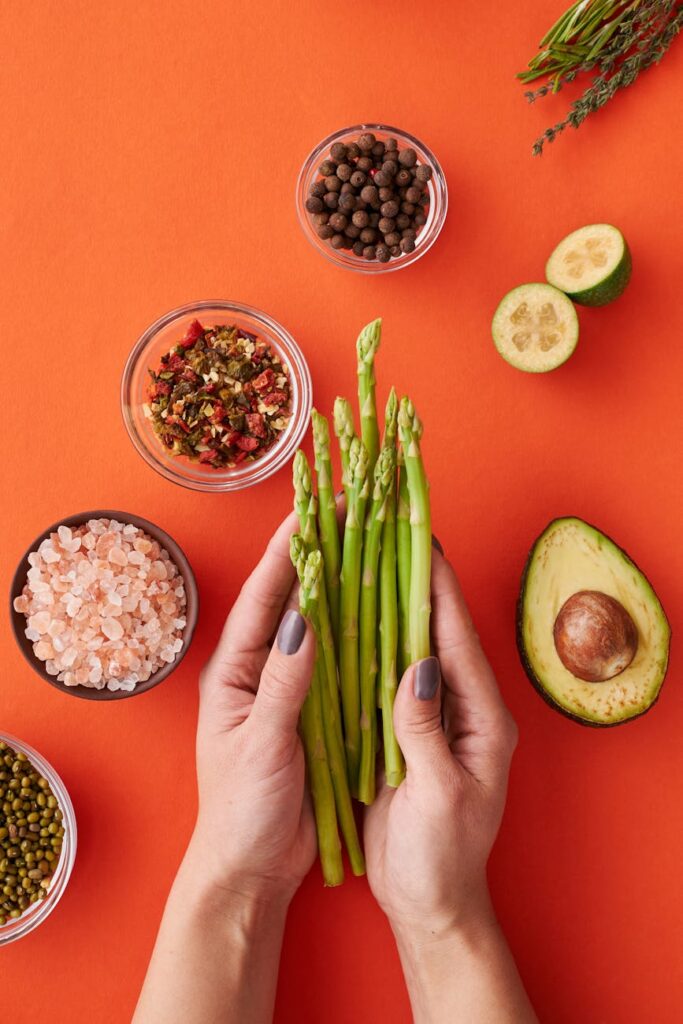
The History of Asparagus
Introduction
Asparagus, a perennial vegetable known for its tender shoots and distinct flavor, has a rich history that spans thousands of years. As a delicacy in various cultures, asparagus has not only been celebrated for its taste but also for its nutritional benefits and versatility. This article delves into the fascinating journey of asparagus, tracing its origins, production, and evolution over the centuries.
What Is About?
Asparagus (Asparagus officinalis) is a member of the lily family, with its young shoots being the edible part of the plant. It is characterized by its spear-like appearance, which can vary in color from green to purple to white, depending on the variety and how it is cultivated. The vegetable is low in calories and rich in vitamins, minerals, and antioxidants, making it a popular choice for health-conscious consumers. However, its significance extends beyond mere nutrition; asparagus has played a pivotal role in culinary traditions and agricultural practices throughout history.
History and Origins
The history of asparagus can be traced back to ancient civilizations. Evidence suggests that its cultivation began around 3000 BC in the eastern Mediterranean region, particularly in ancient Egypt. The Egyptians revered asparagus, often including it in their offerings to the gods. Hieroglyphics from this era depict asparagus as a symbol of fertility and renewal, showcasing its cultural importance.
The Greeks and Romans also held asparagus in high esteem. Greek philosopher and botanist Theophrastus, in the 4th century BC, documented the plant’s cultivation. The Romans took their appreciation a step further, integrating asparagus into their culinary repertoire. They even developed techniques for preserving it, such as drying and freezing, which allowed them to enjoy the vegetable year-round. Pliny the Elder, a Roman naturalist, spoke highly of asparagus, noting its medicinal properties and culinary delights.
Throughout the Middle Ages, asparagus continued to be cultivated in Europe, particularly in France and Germany. Monasteries often grew asparagus in their gardens, recognizing its value not only for food but also for its purported health benefits. By the Renaissance, asparagus was considered a delicacy in royal courts.
In the 18th century, asparagus cultivation spread to the New World, primarily through European settlers. The first recorded asparagus planting in North America occurred in the early 1600s in Virginia. By the 19th century, asparagus farming became more widespread, particularly in California, where the climate proved ideal for its growth.
Production and Processing
Asparagus production today is a global enterprise, with significant cultivation occurring in countries such as the United States, Peru, China, and Mexico. The plant thrives in well-drained soils and requires a temperate climate. Asparagus is typically planted as crowns, which are the root systems of one-year-old plants. These crowns are usually planted in spring, with the first harvest occurring three years later, allowing the plants to establish themselves adequately.
The harvesting of asparagus is labor-intensive, as it requires skilled workers to select the spears at the optimal height. The spears are harvested by hand, typically in the spring and early summer when they are most tender and flavorful. Once harvested, asparagus must be processed quickly to maintain its freshness. This includes washing, sorting, and packaging, often with the aim of delivering it to markets within 24 hours of harvest.
The asparagus market is diverse, with both fresh and processed forms available. Fresh asparagus can be found in supermarkets and farmers’ markets, while frozen, canned, and pickled varieties are also widely available. Cold-chain logistics play a crucial role in ensuring the quality of asparagus during transportation, as the vegetable is highly perishable.
Quality and Grading
The quality of asparagus is determined by various factors, including size, color, and freshness. Asparagus is typically graded based on its diameter, with larger spears often considered more desirable. The USDA has established grading standards for asparagus, which classify it into three main categories: U.S. No. 1, U.S. No. 2, and U.S. No. 3. U.S. No. 1 represents the highest quality, featuring uniform size, vibrant color, and minimal blemishes.
In addition to size and appearance, the freshness of asparagus is of paramount importance. Fresh asparagus should be firm to the touch, with tightly closed tips. Spears that are limp or have open tips are indicative of age and may have begun to lose their flavor and nutritional value.
Retailers and wholesalers are encouraged to follow best practices in displaying and storing asparagus to enhance its visibility and appeal to consumers. This includes keeping the vegetable in water or moist conditions to maintain its crispness.
Buying Considerations
When purchasing asparagus, consumers should consider several factors to ensure they are selecting the best quality. Seasonality plays a significant role; in the Northern Hemisphere, asparagus is typically in season from March to June, while in the Southern Hemisphere, it is available from September to November. Buying asparagus during its peak season often guarantees better flavor and texture.
Look for spears that are bright green, firm, and straight. The tips should be closed and compact, indicating freshness. Asparagus can be found in various colors, including green, white, and purple, each with unique flavor profiles and culinary uses. Green asparagus is the most common, while white asparagus, grown underground to prevent exposure to sunlight, has a more delicate flavor. Purple asparagus, known for its sweetness, is less common but increasingly popular in gourmet cuisine.
Consumers are also encouraged to support local farmers by purchasing asparagus from farmers’ markets or community-supported agriculture (CSA) programs. This not only guarantees freshness but also promotes sustainable agricultural practices.
Uses and Applications
Asparagus is a versatile ingredient that can be used in a multitude of culinary applications. It can be enjoyed raw, grilled, steamed, roasted, or sautéed, making it a staple in various cuisines around the world. The vegetable pairs well with a variety of flavors, from lemon and garlic to rich cheeses and meats.
In addition to its culinary uses, asparagus has found its way into various cultural practices. In some regions, it is considered a symbol of spring and renewal, often featured in seasonal festivals and celebrations. Asparagus has also been used in decorative arrangements, showcasing its unique shape and color.
As a delicacy, asparagus has inspired numerous culinary innovations, from gourmet dishes in high-end restaurants to casual fare in home kitchens. Its ability to elevate a dish while providing nutritional benefits makes it a popular choice for chefs and home cooks alike.
Storage and Shelf Life
Proper storage is essential for maintaining the quality and freshness of asparagus. Fresh asparagus should be stored upright in a container with water, similar to a bouquet of flowers. This method helps retain moisture and prevent wilting. Alternatively, asparagus can be wrapped in a damp paper towel and placed in a plastic bag in the refrigerator.
When stored correctly, fresh asparagus can last for up to a week. However, its quality diminishes over time, so it is best consumed as soon as possible after purchase. If asparagus begins to appear limp or discolored, it may still be salvageable; a quick soak in water can sometimes revive its crispness.
Frozen asparagus is available and can be a convenient option for long-term storage. It is typically blanched before freezing to preserve its color, flavor, and nutritional content. Frozen asparagus can last for several months in the freezer, making it a practical choice for off-season cooking.
Common Misconceptions
Despite its popularity, there are several misconceptions about asparagus that merit clarification. One common myth is that asparagus is exclusively a spring vegetable. While it is indeed most abundant during the spring months, modern agricultural practices and global trade allow asparagus to be available year-round.
Another misconception is that all asparagus is green. While green asparagus is the most common variety, white and purple asparagus exist, each with distinct flavors and culinary uses. Additionally, some believe that asparagus should only be consumed cooked. However, raw asparagus can be a delightful addition to salads or vegetable platters, providing a crisp texture and fresh flavor.
Lastly, the notion that asparagus causes a strong odor in urine is often exaggerated. While certain compounds in asparagus can lead to a distinctive smell after consumption, not everyone experiences this phenomenon, which is attributed to individual differences in metabolism.
Frequently Asked Questions
1. What are the different types of asparagus?
Asparagus primarily comes in three varieties: green, white, and purple. Green asparagus is commonly found and has a robust flavor. White asparagus is grown underground and has a milder taste. Purple asparagus is sweeter and is a less common variety.
2. How can I tell if asparagus is fresh?
Fresh asparagus should be firm, bright in color, and have tightly closed tips. The spears should not be limp or have a dull appearance.
3. Can asparagus be eaten raw?
Yes, asparagus can be eaten raw and is often included in salads or vegetable platters. Young and tender spears are particularly enjoyable when consumed raw.
4. How long does asparagus last in the refrigerator?
Fresh asparagus can last for up to a week when stored upright in a container with water or wrapped in a damp paper towel in a plastic bag.
5. Is asparagus a seasonal vegetable?
Asparagus is typically in season from March to June in the Northern Hemisphere and from September to November in the Southern Hemisphere.
6. What is the best way to cook asparagus?
Asparagus can be prepared in various ways, including grilling, steaming, roasting, or sautéing. Each method can enhance its natural flavor and texture.
Asparagus remains a cherished ingredient across cultures, embodying a rich history and culinary versatility that continues to thrive in modern kitchens. Understanding its journey from ancient civilizations to contemporary culinary practices enhances our appreciation of this remarkable vegetable.