
The History of Cauliflower
Introduction
Cauliflower, a member of the Brassica oleracea species, has evolved from its wild ancestors into a beloved vegetable worldwide. Renowned for its versatility, nutritional benefits, and unique flavor, cauliflower has become a staple in various cuisines. This article delves into its rich history, production dynamics, quality standards, and more, providing a comprehensive understanding of this remarkable ingredient.
What Is About?
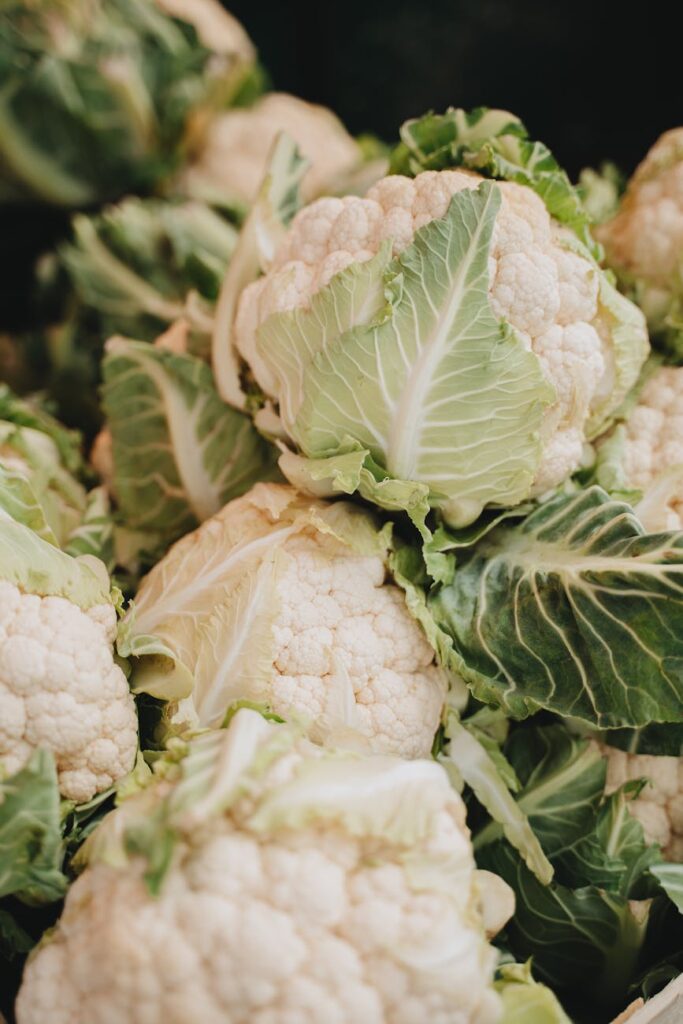
Cauliflower is a cruciferous vegetable that belongs to the same family as broccoli, kale, and Brussels sprouts. Its distinctive appearance, characterized by a white, compact head known as the “curd,” is surrounded by green leaves. While typically associated with its white variety, cauliflower also comes in various colors, including purple, orange, and green. It is valued not only for its taste but also for its impressive nutritional profile, which includes vitamins C and K, dietary fiber, and antioxidants.
History and Origins
The origins of cauliflower can be traced back to the Mediterranean region, specifically in areas that are now part of Cyprus and Southern Italy. Historical records suggest that cauliflower was cultivated as early as the 6th century B.C. It is believed to have descended from wild cabbage, which was domesticated and selectively bred over centuries.
By the 12th century, cauliflower began to gain prominence in the gardens of the Mediterranean, particularly in Italy and France. The vegetable was initially cultivated for its leaves, with the curd being a byproduct. It wasn’t until the 16th century that the curd became the focus of cultivation, leading to the development of the white-headed variety we recognize today.
During the Renaissance, cauliflower spread throughout Europe, becoming a favorite among royalty and the upper classes. Its popularity surged in France, where it was embraced as a delicacy. The French culinary tradition helped to establish cauliflower as an elegant ingredient, often featured in grand dishes and royal banquets.
The 18th century marked a pivotal moment in the history of cauliflower. The vegetable was introduced to England, where it was met with enthusiasm. English gardeners began extensive cultivation, refining the growing techniques that would enhance the size and flavor of the curd. By the 19th century, cauliflower had secured its place in British cuisine, appearing in various dishes from soups to gratins.
As trade routes expanded and exploration increased, cauliflower made its way to other parts of the world. It was introduced to India, where it became an integral part of local diets and cuisine. Today, India is one of the largest producers of cauliflower, showcasing its adaptability and significance across cultures.
Production and Processing
Modern cauliflower production has evolved significantly from its ancient origins. Today, it is cultivated in various climates, primarily in temperate regions where it thrives in cooler temperatures. Major producers include China, India, and the United States, with California being a leading state in cauliflower cultivation.
The growing process involves several stages, starting from seed selection to harvesting. Farmers typically choose hybrid varieties for their disease resistance and higher yields. The planting season varies depending on the region but generally occurs in spring or late summer. Cauliflower requires careful attention to soil quality, irrigation, and pest control to ensure optimal growth.
Once harvested, cauliflower undergoes processing to maintain its quality. This includes washing, trimming, and packaging. In the commercial sector, techniques such as blanching are employed to enhance preservation and reduce spoilage during transportation. Cauliflower is often sold fresh, but it can also be found frozen or processed into various forms, including florets and riced cauliflower.
Quality and Grading
The quality of cauliflower is determined by several factors, including appearance, texture, and flavor. High-quality cauliflower should have a firm, compact curd that is free from blemishes or discoloration. The leaves should be vibrant green and fresh, as they play a role in protecting the curd during growth.
In many countries, cauliflower is graded based on size and quality. The grading system typically categorizes the vegetable into different classes, with Class A representing the highest quality. Grading standards help consumers make informed choices and ensure consistency in the market.
Buying Considerations
When purchasing cauliflower, consumers should consider several factors to ensure they select the best quality. Look for heads that are heavy for their size, with tightly packed florets. The color should be a bright white (or the intended color for colored varieties) with no signs of browning or wilting.
Seasonality is also important; cauliflower is typically at its peak in late fall and winter, making it a great choice for seasonal cooking. Additionally, buying locally sourced cauliflower can often guarantee freshness and support local farmers.
Organic options are increasingly available, offering consumers a choice free from synthetic pesticides and fertilizers. However, the choice between organic and conventional should be made based on personal preferences and availability.
Uses and Applications
Cauliflower’s versatility extends across many culinary applications. It can be enjoyed raw, steamed, roasted, or incorporated into soups, stews, and casseroles. In recent years, cauliflower has gained popularity as a low-carb alternative to grains and starches. Riced cauliflower, for instance, serves as a base for dishes like stir-fries and grain bowls, while cauliflower pizza crust has emerged as a trendy option for those seeking gluten-free alternatives.
Beyond traditional cooking methods, cauliflower is also utilized in innovative ways, such as being transformed into cauliflower steaks or blended into smoothies for added nutrition. Its mild flavor allows it to absorb spices and seasonings, making it an adaptable ingredient in various global cuisines.
Storage and Shelf Life
To maintain freshness, cauliflower should be stored in a cool, dry place. The ideal storage temperature is around 32°F (0°C) with a humidity level of 90-95%. In the refrigerator, cauliflower can last for about a week, provided it is kept in a perforated plastic bag to allow for air circulation.
If the cauliflower is pre-cut or processed, it should be consumed within a few days for optimal freshness. To prolong shelf life, blanching and freezing are effective methods, allowing cauliflower to retain its nutritional value and flavor for months.
Common Misconceptions
Despite its widespread popularity, misconceptions about cauliflower persist. One common myth is that cauliflower has limited nutritional value compared to other vegetables. In reality, cauliflower is rich in vitamins, minerals, and antioxidants, making it a valuable addition to a balanced diet.
Another misconception is that cauliflower is solely a winter vegetable. While it does peak in colder months, its growing season can vary by region. With advancements in agricultural practices, cauliflower is now available year-round in many parts of the world.
Frequently Asked Questions
1. What are the different varieties of cauliflower?
Cauliflower is available in several varieties, including white, purple, orange, and green. Each variety has its unique flavor profile and nutritional benefits.
2. How can I tell if cauliflower is fresh?
Fresh cauliflower should have a firm, compact curd, vibrant green leaves, and no signs of browning or wilting. It should feel heavy for its size.
3. Can I eat the leaves of cauliflower?
Yes, the leaves of cauliflower are edible and can be used in cooking. They are often discarded, but they can be sautéed or added to soups for extra flavor.
4. How can I prevent cauliflower from turning brown while cooking?
To prevent browning, avoid overcooking cauliflower. Steaming or blanching briefly can help retain its color and texture.
5. Is cauliflower gluten-free?
Yes, cauliflower is naturally gluten-free, making it an excellent alternative for those with gluten sensitivities or celiac disease.
6. Can I grow cauliflower at home?
Yes, cauliflower can be grown at home in a garden or in pots. It requires well-drained soil, adequate sunlight, and careful attention to temperature and moisture levels.
In conclusion, the history of cauliflower reflects its journey from ancient cultivation to modern culinary prominence. Its versatility, nutritional benefits, and continued innovation in cooking methods make cauliflower a valuable ingredient in kitchens around the world. Understanding its history and characteristics enhances our appreciation of this remarkable vegetable, ensuring it remains a cherished part of global cuisine for generations to come.