
The History of Chia Seeds
Introduction
Chia seeds, small yet powerful, have garnered significant attention in recent years due to their nutritional benefits and versatility in culinary applications. Originating from the Salvia hispanica plant, these seeds have been revered by various cultures through history, evolving from a staple food of ancient civilizations to a contemporary health food trend. This article delves into the rich history and development of chia seeds, exploring their origins, production, uses, and more.
What Is About?
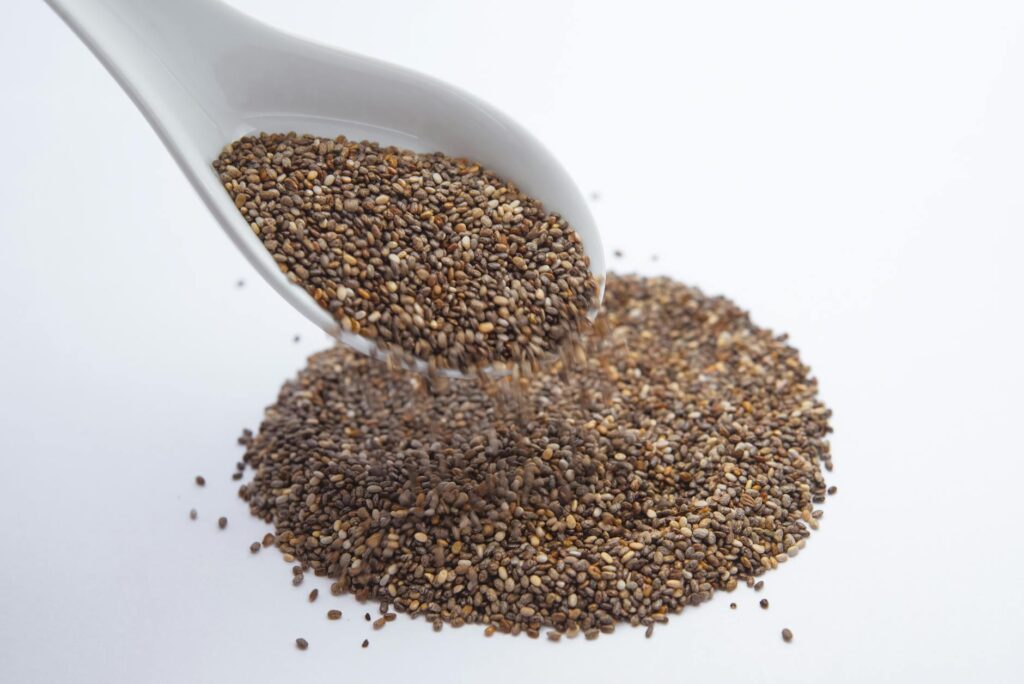
Chia seeds are tiny, oval-shaped seeds that come from the Salvia hispanica plant, a member of the mint family. These seeds are rich in omega-3 fatty acids, fiber, protein, and various micronutrients, making them a popular choice among health-conscious individuals. Chia seeds can absorb water and expand in size, forming a gel-like consistency, which is often utilized in various culinary applications. Understanding the history of chia seeds provides insight into their significance and enduring popularity across different cultures.
History and Origins
Chia seeds have a storied history that dates back to ancient Mesoamerican civilizations. The word “chia” itself comes from the Nahuatl language, spoken by the Aztecs and other indigenous peoples, meaning “oily.” The Aztecs, along with the Mayans, revered chia seeds as a vital food source, using them in rituals, as currency, and as a staple in their diets.
Ancient Civilizations
In ancient Mesoamerica, chia seeds were cultivated as early as 3,500 years ago. The Aztecs valued chia seeds for their energy-providing properties, often consuming them before battles or long journeys. They were also used in religious ceremonies, symbolizing fertility and abundance. The Mayans, too, recognized the seeds’ nutritional benefits, using them as a primary sustenance source alongside maize.
Post-Colonization
Following the Spanish conquest in the 16th century, chia seeds fell out of favor. The colonizers suppressed indigenous agricultural practices, resulting in a decline in chia cultivation. The seeds were largely replaced by European crops such as wheat and barley. However, chia’s resilience ensured that it remained a part of the diet in certain indigenous communities, particularly in regions of Mexico and Guatemala.
Rediscovery and Modern Popularity
In the late 20th century, chia seeds began to gain attention once more, primarily due to their nutritional profile and health benefits. Health enthusiasts and nutritionists rediscovered these ancient seeds, recognizing their potential as a superfood. Chia seeds became a popular ingredient in smoothies, energy bars, and other health products, leading to a resurgence in cultivation and production.
Production and Processing
Chia seeds thrive in well-drained soil and require a warm climate for optimal growth. The primary producers of chia seeds today include Mexico, Argentina, Bolivia, and Ecuador, where the plant is cultivated primarily for commercial purposes.
Cultivation
Chia plants are typically sown in the spring and harvested in late summer or early fall. The flowering stage is critical, as it determines the seed’s quality and quantity. Farmers must monitor the plants closely to ensure proper maturation, as the seeds are delicate and susceptible to damage.
Harvesting and Processing
Once harvested, chia seeds undergo a processing phase that includes cleaning, drying, and packaging. The seeds are carefully cleaned to remove any debris or contaminants, followed by drying to reduce moisture content. This step is crucial to prevent spoilage and ensure a longer shelf life. Finally, the seeds are packaged in airtight containers to maintain freshness.
Quality and Grading
The quality of chia seeds is assessed based on several factors, including size, color, and moisture content. High-quality chia seeds are typically small, round, and glossy, showcasing a rich, dark color.
Grading Standards
Various grading standards exist to classify chia seeds based on their quality. These standards take into account the seed’s purity, absence of foreign materials, and adherence to specific moisture content levels. Higher-grade seeds command a premium price in the market, reflecting their superior characteristics and ensuring better performance in culinary applications.
Buying Considerations
When purchasing chia seeds, consumers should consider several factors to ensure they are acquiring high-quality products.
Sourcing and Certification
Opt for chia seeds sourced from reputable producers who adhere to organic or sustainable farming practices. Certifications such as USDA Organic or Non-GMO Project Verified can provide assurance regarding the quality and integrity of the seeds.
Packaging and Freshness
Check the packaging for a harvest date or expiration date. Chia seeds should be stored in a cool, dry place, and packaging that ensures airtight storage can help maintain their freshness for an extended period.
Variety of Seeds
Chia seeds are available in various colors, including black and white. While both varieties offer similar nutritional benefits, some consumers may have preferences based on aesthetics or culinary application.
Uses and Applications
Chia seeds are incredibly versatile, finding their way into a myriad of culinary applications. Their ability to absorb liquid and form a gel-like consistency makes them particularly useful in various recipes.
Culinary Uses
Chia seeds can be incorporated into smoothies, puddings, baked goods, and even salads. They serve as a thickening agent and can enhance the texture of dishes. Additionally, chia seeds are often used as an egg substitute in vegan cooking when mixed with water, creating a binding effect.
Non-Culinary Uses
Beyond the kitchen, chia seeds have also found applications in cosmetics and health products. Their oil is sometimes extracted for use in skin care formulations due to its moisturizing properties.
Storage and Shelf Life
Proper storage of chia seeds is essential to maintain their quality and extend their shelf life. When stored correctly in an airtight container in a cool, dark place, chia seeds can last for up to two years.
Signs of Spoilage
It is important to periodically check for signs of spoilage. If the seeds emit a rancid odor or have an unusual taste, they should be discarded. Keeping chia seeds away from moisture is vital, as exposure can lead to mold growth and degradation of quality.
Common Misconceptions
Despite their popularity, several misconceptions about chia seeds persist.
“Chia Seeds Are a New Superfood”
While chia seeds have gained popularity in recent years as a “superfood,” they have been consumed for thousands of years by ancient civilizations. Their nutritional benefits were recognized long before modern health trends emerged.
“All Chia Seeds Are the Same”
Many consumers may assume that all chia seeds have the same nutritional profile. However, the source, processing methods, and storage conditions can significantly impact their quality and health benefits.
Frequently Asked Questions
1. What are the main nutritional benefits of chia seeds?
Chia seeds are rich in omega-3 fatty acids, fiber, protein, and various vitamins and minerals, making them an excellent addition to a balanced diet.
2. Are there different types of chia seeds?
Yes, chia seeds primarily come in two varieties: black and white. Both types offer similar nutritional benefits, but some consumers may prefer one over the other based on culinary use or aesthetic reasons.
3. Can chia seeds be eaten raw?
Yes, chia seeds can be consumed raw, soaked, or cooked, making them a versatile ingredient in various dishes.
4. How should chia seeds be stored?
Chia seeds should be stored in an airtight container in a cool, dark place to maintain freshness and prevent spoilage.
5. Do chia seeds have any allergens?
Chia seeds are generally considered hypoallergenic, but individuals with specific seed allergies should consult with a healthcare professional before incorporating them into their diet.
6. How do chia seeds compare to flaxseeds?
Both chia seeds and flaxseeds are nutrient-dense and provide health benefits. However, chia seeds have a higher omega-3 content and are more versatile due to their gel-forming properties when soaked in liquid.
Conclusion
The history of chia seeds is a testament to their enduring significance across cultures and time. From their revered status in ancient Mesoamerican civilizations to their modern-day recognition as a nutritional powerhouse, chia seeds have transcended time and geography. As their popularity continues to grow, understanding their rich history, production processes, and culinary applications will deepen our appreciation for these remarkable seeds. Whether incorporated into a smoothie or used as a thickening agent in a dish, chia seeds remain a vibrant part of our culinary landscape, bridging the past with the present.