
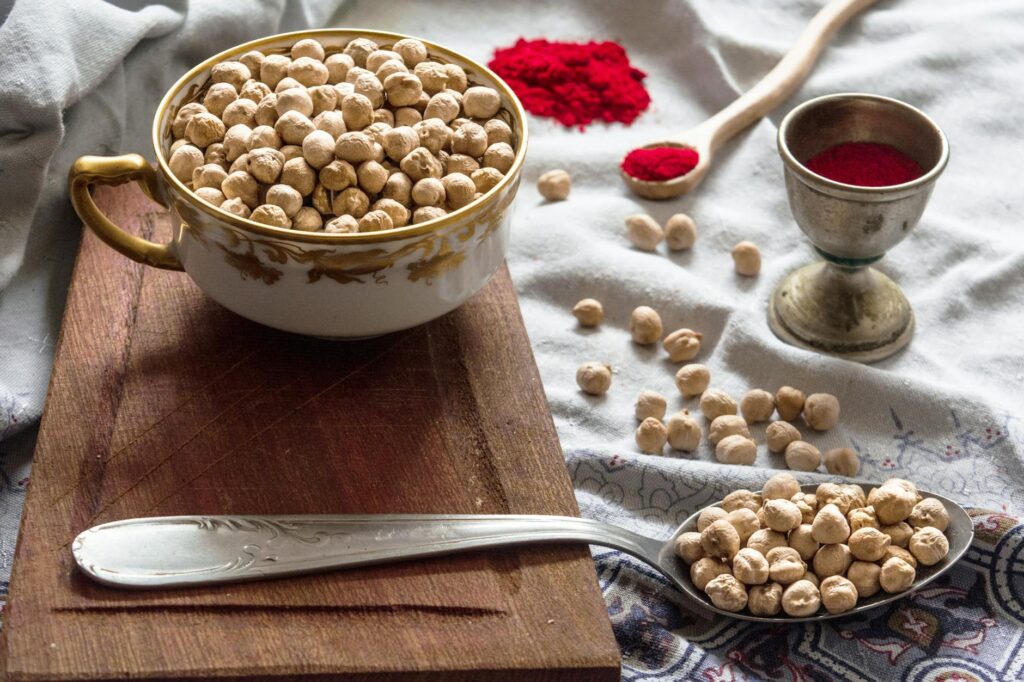
The History of Chickpeas
Introduction
Chickpeas, also known as garbanzo beans, have been a staple in various culinary traditions around the globe for thousands of years. Their rich nutritional profile, versatility in cooking, and ability to thrive in diverse climates have made them an essential ingredient in many dishes, from hummus to curries. This article delves into the history of chickpeas, tracing their origins, production methods, and cultural significance, while also addressing common misconceptions and providing practical information for consumers.
What Is About?
Chickpeas are legumes belonging to the family Fabaceae and the genus Cicer. They are characterized by their round shape, firm texture, and nutty flavor. Available in various colors, including beige, green, and black, chickpeas can be consumed in multiple forms: whole, ground into flour, or pureed. Their nutrient-rich profile includes protein, dietary fiber, and essential vitamins and minerals, making them a popular choice in vegetarian and vegan diets.
History and Origins
The chickpea’s journey begins in the ancient Near East, where archaeological evidence suggests its domestication as far back as 7500 BCE. The earliest remains were discovered in the regions of modern-day Turkey and Syria. These early chickpeas were likely wild varieties, eventually leading to cultivated forms that spread across the Mediterranean and into Europe, Asia, and Africa.
Chickpeas were highly regarded in ancient civilizations. In Ancient Egypt, they were consumed as a food source and possibly offered in religious ceremonies. The Romans appreciated their versatility, incorporating them into various dishes and even feeding them to livestock. By the Middle Ages, chickpeas had become a staple in Mediterranean diets, leading to their introduction into other parts of Europe through trade.
The spread of chickpeas continued during the Age of Exploration. Spanish explorers brought them to the Americas in the 16th century, where they adapted well to the new environments and became integrated into local cuisines, particularly in Mexico and South America.
Today, chickpeas are cultivated in various countries, with India, Australia, and Turkey being some of the largest producers. The grain’s adaptability to different climates and soils has allowed it to flourish worldwide.
Production and Processing
Chickpeas thrive in arid and semi-arid climates, requiring minimal water for growth. They are typically sown in the spring and harvested in the late summer or early fall. The cultivation process includes several key stages:
1. Soil Preparation: Farmers prepare the soil by tilling and ensuring it is free from weeds. Chickpeas prefer well-drained soil with a pH between 6.0 and 7.5.
2. Sowing: Seeds are planted at a depth of about 2-3 inches. The spacing between seeds is designed to allow for adequate growth and airflow.
3. Irrigation and Fertilization: While chickpeas are drought-resistant, they may require supplemental irrigation during dry spells. Organic fertilizers, such as compost, are often used to enhance soil fertility.
4. Harvesting: Once the plants turn brown and the pods dry, they are harvested, usually by mechanical means. The harvested chickpeas are then cleaned, sorted, and packaged for distribution.
Processing methods vary depending on the intended use. Whole chickpeas may be dried and packaged for sale, while others might be ground into flour or processed into canned products. Quality control measures ensure that the final product meets established standards.
Quality and Grading
The quality of chickpeas is assessed based on several factors, including size, color, and the absence of defects. Grading systems may vary by region, but several common criteria are used globally:
- Size: Chickpeas are categorized by size, with larger beans often commanding higher prices.
- Color: While beige is the most common color, variations in hue can affect marketability. Green and black chickpeas have their own specific grading considerations.
- Defects: Broken, discolored, or damaged beans are typically graded lower. The presence of foreign materials or pests can also affect grading.
- Form: Chickpeas can be found dried, canned, or frozen. Dried chickpeas require soaking and longer cooking times, while canned varieties offer convenience.
- Packaging: Look for intact packaging that is free from tears or damage. For dried chickpeas, choose packages that are opaque to protect against light.
- Origin: If possible, buy chickpeas that are locally sourced or from reputable producers, as this can influence quality and freshness.
- Organic Certification: For those who prioritize organic products, look for certifications that guarantee no synthetic pesticides or fertilizers were used in cultivation.
- Hummus: Perhaps the most famous dish made from chickpeas, hummus is a creamy dip made by blending cooked chickpeas with tahini, garlic, lemon juice, and olive oil.
- Curries and Stews: Chickpeas are often added to curries and stews for their hearty texture and ability to absorb flavors.
- Salads: Whole chickpeas can be used in salads, providing a protein boost and a nutty flavor.
- Flour: Chickpea flour, or besan, is a staple in Indian cuisine, used in dishes like bhajis and pancakes.
- Snacks: Roasted chickpeas are a popular snack, offering a crunchy and nutritious alternative to traditional chips.
- Dried Chickpeas: Store in a cool, dry place, preferably in an airtight container. When stored correctly, dried chickpeas can last for several years.
- Canned Chickpeas: Once opened, canned chickpeas should be stored in the refrigerator and consumed within 3-4 days. Unopened cans can last for years in a pantry.
- Cooked Chickpeas: When cooked, chickpeas should be refrigerated and consumed within 3-5 days or frozen for longer storage.
Producers must adhere to these grading standards to ensure that their products meet market demands and consumer expectations.
Buying Considerations
When purchasing chickpeas, consumers should consider several factors to ensure they are getting a quality product:
Uses and Applications
Chickpeas are incredibly versatile and can be used in a wide range of culinary applications. Some common uses include:
The increasing popularity of plant-based diets has further propelled the demand for chickpeas, as they serve as an excellent protein source for those seeking meat alternatives.
Storage and Shelf Life
Proper storage of chickpeas is essential to maintain their quality and extend their shelf life.
It is crucial to check for signs of spoilage, such as off smells or unusual discoloration, regardless of the form in which chickpeas are stored.
Common Misconceptions
Despite their popularity, several misconceptions surrounding chickpeas persist:
1. Chickpeas Are Only for Vegetarian Diets: While they are a staple in vegetarian and vegan diets, chickpeas are enjoyed by omnivores as well, often featured in dishes that include meat.
2. Canned Chickpeas Are Less Nutritious: While fresh or dried chickpeas may have a slight edge in terms of nutrients, canned chickpeas retain most of their nutritional value and are often fortified with additional minerals.
3. Chickpeas Are Just a Filler: Chickpeas are nutrient-dense and provide substantial protein, fiber, and essential vitamins, making them more than just a filler in dishes.
4. All Chickpeas Taste the Same: Different varieties of chickpeas exhibit subtle flavor variations. For example, black chickpeas have a more earthy taste compared to their beige counterparts.
5. Chickpeas Are Difficult to Prepare: With the availability of canned chickpeas, preparation has become much easier. Dried varieties may require soaking but are still manageable, especially with modern cooking techniques.
6. Chickpeas Cannot Be Grown in Cold Climates: While chickpeas prefer warmer conditions, some varieties can withstand cooler temperatures, making them adaptable for various growing regions.
Frequently Asked Questions
1. What are the nutritional benefits of chickpeas?
Chickpeas are high in protein, dietary fiber, vitamins (such as B vitamins), and minerals (including iron and magnesium). They contribute to a balanced diet and can aid in digestive health.
2. How do I prepare dried chickpeas?
To prepare dried chickpeas, soak them in water overnight or for at least 8 hours. Drain and rinse before cooking in boiling water until tender, which usually takes about 1 to 2 hours.
3. Can chickpeas be eaten raw?
Raw chickpeas are not recommended for consumption, as they contain toxins that can cause digestive issues. Cooking thoroughly removes these harmful compounds.
4. Are chickpeas gluten-free?
Yes, chickpeas are naturally gluten-free, making them an excellent choice for those with gluten sensitivities or celiac disease.
5. What is the best way to cook chickpeas?
Chickpeas can be cooked using various methods, including boiling, pressure cooking, or baking. The best method often depends on personal preference and the intended dish.
6. How can I incorporate chickpeas into my diet?
Chickpeas can be added to salads, soups, stews, and dips. They can also be blended into smoothies or roasted for a crunchy snack. Their versatility allows for creative culinary applications.
Conclusion
The history of chickpeas is as rich as the flavors they impart to dishes worldwide. From their ancient origins in the Near East to their modern-day applications in various cuisines, chickpeas have proven to be an invaluable food source. Their nutritional benefits, ease of preparation, and versatility in cooking continue to make them a favorite ingredient for chefs and home cooks alike. Understanding their history, production, and uses enhances our appreciation for this remarkable legume, securing its place in our kitchens for generations to come.