
The History of Dandelion Greens
Introduction
Dandelion greens, often regarded as a humble weed, are a treasure trove of culinary and nutritional value. Historically, they have been utilized in various cultures for their flavor, medicinal properties, and as a symbol of resilience. This article delves into the fascinating history of dandelion greens, exploring their origins, production, and uses, while also addressing common misconceptions surrounding this vibrant leafy green.
What Is About?
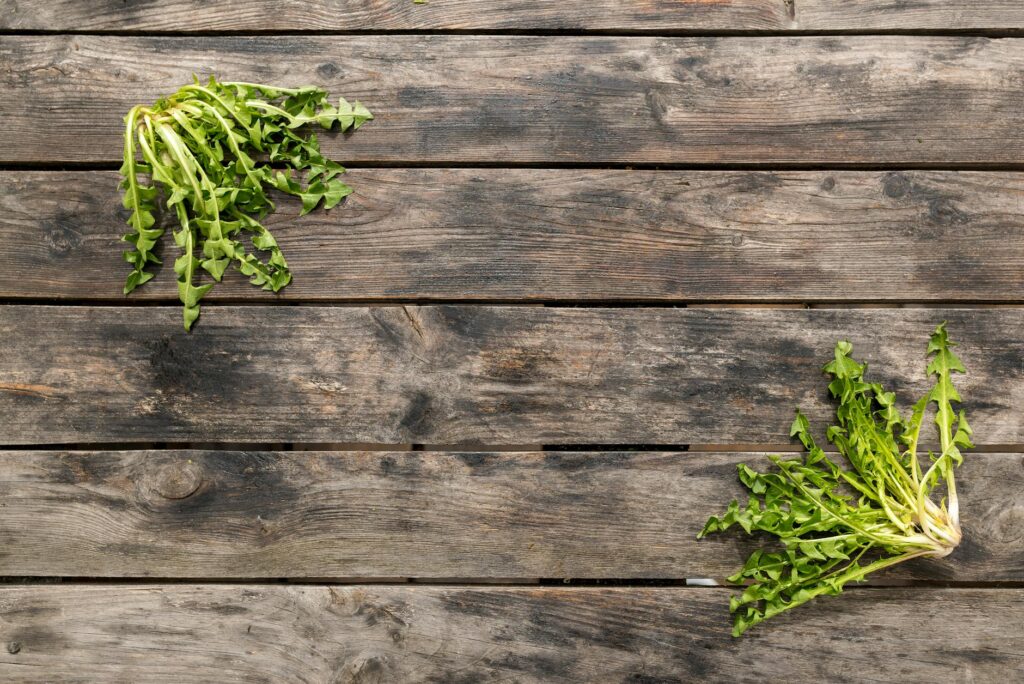
Dandelion greens, scientifically known as Taraxacum officinale, belong to the Asteraceae family. Characterized by their jagged, dark green leaves and a slightly bitter flavor, these greens are often harvested in the spring. While they are popularly known for their bright yellow flowers and fluffy seed heads, the leaves themselves are a culinary delight in salads, sautés, and various dishes around the world. Their unique taste profile ranges from mildly bitter to slightly sweet, depending on the age and growing conditions of the plant.
History and Origins
The history of dandelion greens is as rich and varied as the cultures that have embraced them. Originating in Eurasia, particularly in regions of Southern Europe and Asia, the dandelion plant has been cultivated for centuries. Ancient civilizations recognized its potential; the Greeks and Romans used dandelion for both culinary and medicinal purposes. They believed it could purify the blood and serve as a digestive aid.
By the Middle Ages, dandelion greens had made their way across Europe, where they were commonly consumed in spring when other greens were scarce. In addition to their culinary uses, herbalists utilized dandelion in various remedies, believing it could address ailments such as liver disorders and digestive issues.
The plant was introduced to North America by European settlers in the 17th century and quickly became a staple in indigenous diets. Native American tribes recognized the nutritional value of dandelion greens, often foraging them in the wild. Over time, dandelion greens became embedded in American culinary traditions, particularly in Southern cooking, where they are often featured in salads and cooked dishes.
As a resilient plant that thrives in diverse climates, dandelion greens have become a global phenomenon, with various cultures incorporating them into their cuisines. From Italian dandelion salad to the traditional Southern dish of sautéed greens, their adaptability has ensured their continued popularity through the ages.
Production and Processing
Today, dandelion greens are cultivated in various regions worldwide, with particular prominence in Europe, North America, and parts of Asia. They thrive in well-drained, fertile soils, and can often be found growing wild in gardens, fields, and roadside areas.
Commercially, dandelion greens are harvested in the spring, when the leaves are tender and flavorful. Growers typically employ organic farming practices, as the plant is relatively pest-resistant and does not require heavy chemical treatments. After harvesting, the greens are washed to remove any soil or debris and may be packaged for sale in fresh produce sections or farmers’ markets.
For those interested in preserving dandelion greens, blanching is a common processing method. This involves briefly boiling the greens and then rapidly cooling them in ice water to halt the cooking process. Blanched greens can be frozen for later use, allowing consumers to enjoy their flavor and nutritional benefits year-round.
Quality and Grading
Dandelion greens are generally graded based on their color, size, and tenderness. High-quality greens are vibrant green, crisp, and free from blemishes or yellowing. Tender young leaves are preferred for culinary use, as older, larger leaves can become tough and bitter.
When purchasing dandelion greens, consumers should look for fresh, unblemished leaves. Organic options are often recommended, as they are less likely to contain pesticide residues. Additionally, it is advisable to seek out local suppliers or farmers’ markets, where greens are more likely to be freshly harvested.
Buying Considerations
When buying dandelion greens, consider the following factors:
- Freshness: Look for bright green leaves with a crisp texture. Avoid wilted or yellowing greens.
- Source: If possible, opt for organic or locally sourced dandelion greens to ensure quality and sustainability.
- Seasonality: Dandelion greens are typically in season during the spring months. While they may be available year-round in some regions, spring harvests yield the most tender and flavorful greens.
- Storage: If you plan to store your greens, choose those that are less mature, as they will hold up better in the refrigerator.
Uses and Applications
Dandelion greens have a versatile role in culinary applications. Their slightly bitter taste can enhance various dishes, making them a popular ingredient in salads, soups, and stir-fries. They are often sautéed with garlic and olive oil, or incorporated into frittatas and omelets. Their robust flavor pairs well with bold ingredients like bacon, nuts, or citrus.
In addition to their use as a vegetable, dandelion greens can be brewed into tea, offering a unique herbal infusion. The leaves can also be dried and powdered for use as a supplement or additive in smoothies and health foods.
Culturally, dandelion greens hold significant value. In Italian cuisine, they are often featured in dandelion salad with olive oil and vinegar, while Southern American cooking frequently showcases sautéed greens with ham hocks or vinegar-based dressings. The adaptability of dandelion greens allows them to be incorporated into a wide array of traditional and modern dishes.
Storage and Shelf Life
To preserve the freshness of dandelion greens, it is essential to store them properly. When purchased, they should be kept in the refrigerator, ideally in a perforated plastic bag or wrapped in a damp paper towel to maintain moisture.
Dandelion greens are best consumed within a few days of purchase, as they tend