
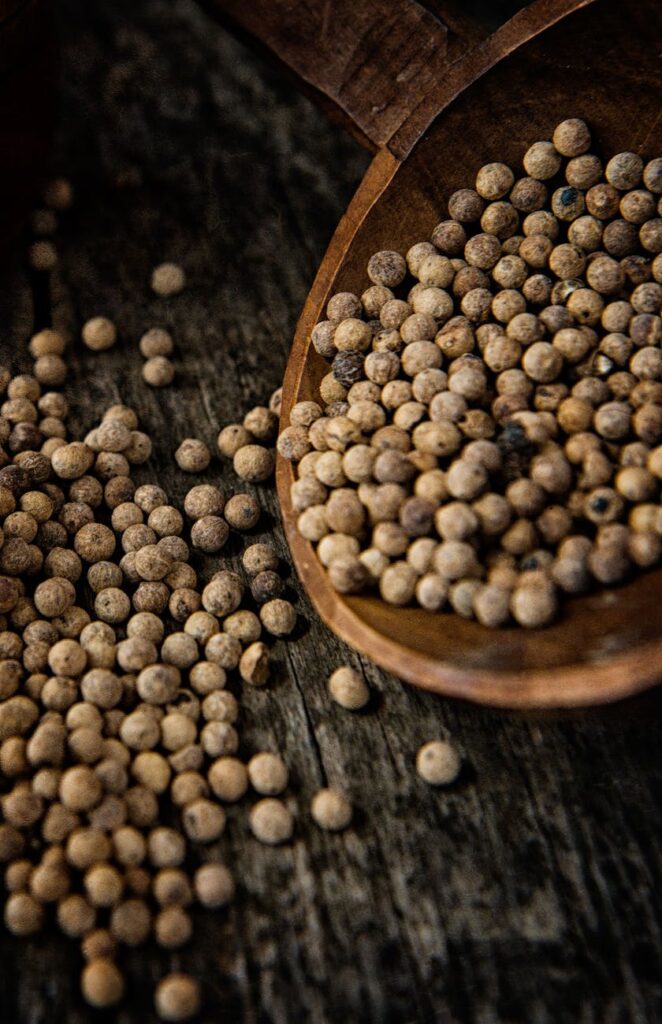
The History of Faro
Introduction
Faro, an ancient grain that has gained renewed interest in recent years, is making waves in culinary circles for its unique flavor and nutritional profile. Often overshadowed by more common grains like wheat and rice, Faro deserves a closer examination for its historical significance and cultural relevance. This article delves into the rich tapestry of Faro’s history, production methods, and contemporary applications, ultimately providing a comprehensive understanding of this remarkable ingredient.
What Is Faro?
Faro, often referred to as farro in Italian and spelt in other contexts, is an ancient grain that belongs to the wheat family. It is a hulled variety of wheat, specifically Triticum dicoccum, and is known for its chewy texture and nutty flavor. This grain is typically used in salads, soups, and grain bowls, making it a versatile ingredient in both traditional and modern cuisine. Faro is often praised for its nutritional benefits, including high fiber content and essential nutrients, which contribute to its growing popularity among health-conscious consumers and chefs alike.
History and Origins
The origins of Faro date back over 10,000 years, making it one of the oldest cultivated grains in human history. Archaeological evidence suggests that it was first domesticated in the Fertile Crescent, an area that includes parts of modern-day Turkey, Syria, and Iraq. From these early beginnings, Faro spread throughout the Mediterranean and became a staple in the diets of ancient civilizations, including the Egyptians, Greeks, and Romans.
In ancient Rome, Faro was considered a vital food source for soldiers and laborers, often served as a hearty porridge or used to make a type of bread. The grain was also associated with various rituals and was used in religious offerings, signifying its cultural importance. Despite its prominence in ancient times, Faro gradually fell out of favor with the advent of modern agricultural practices and the rise of more commercially viable grains.
In the latter half of the 20th century, however, there was a resurgence of interest in ancient grains, driven by a growing awareness of sustainable farming practices and a desire for healthier food options. As a result, Faro has made a comeback, particularly in Italian cuisine, where it is celebrated for its unique taste and texture.
Production and Processing
The production of Faro involves several key steps, beginning with cultivation. Faro is primarily grown in Italy, particularly in regions such as Emilia-Romagna and Tuscany. The grain thrives in well-drained soil and benefits from a temperate climate. Farmers typically grow Faro using traditional methods that emphasize sustainability and biodiversity, often employing crop rotation to maintain soil health.
Once harvested, Faro undergoes a series of processing stages. The grain is hulled to remove its outer husk, which helps retain its nutritional value. Unlike modern wheat, Faro is minimally processed, which allows it to maintain its natural characteristics. This minimal processing not only preserves its flavor but also keeps its nutritional profile intact, making it a desirable choice for health-conscious consumers.
The grading of Faro is essential, as it determines the quality and usability of the grain. High-quality Faro should have a uniform size, a glossy appearance, and a nutty aroma. It is typically sold in various forms, including whole, semi-pearled, and pearled, each with different cooking times and applications.
Quality and Grading
The quality of Faro can significantly impact its culinary applications and nutritional benefits. When selecting Faro, several factors should be considered:
1. Harvest Year: Freshness is crucial, as older grains can lose their flavor and nutrients over time. Look for the harvest year on packaging when possible.
2. Color and Appearance: High-quality Faro should have a rich, brownish hue and a glossy exterior. Uniformity in size is also a sign of good quality.
3. Aroma: A fresh, nutty aroma indicates that the grain is in good condition. Any off-putting smells may suggest spoilage.
4. Origin: Authentic Italian Faro often comes with a Protected Designation of Origin (PDO) label, ensuring that it meets specific quality standards.
Proper grading and quality control are essential, especially as the demand for Faro continues to rise. Consumers are encouraged to purchase Faro from reputable suppliers to ensure they are getting a genuine product.
Buying Considerations
When purchasing Faro, several factors should be taken into account to ensure the best quality and suitability for your culinary needs:
1. Form: Faro is available in various forms, including whole, semi-pearled, and pearled. Whole Faro requires longer cooking times and retains more nutrients, while pearled Faro cooks more quickly but may have fewer nutrients.
2. Packaging: Look for airtight packaging to ensure freshness. Vacuum-sealed options may provide the best shelf life.
3. Source: Consider buying Faro from local producers or specialty stores that focus on high-quality grains. Online retailers may also offer a wide selection, but be sure to check reviews and product descriptions.
4. Price: As an ancient grain, Faro can be more expensive than conventional grains. However, the unique flavor and nutritional benefits often justify the cost.
5. Sustainability: If possible, choose Faro that is grown using organic or sustainable farming practices, contributing to better environmental stewardship.
Uses and Applications
Faro’s versatility makes it suitable for a variety of culinary applications. Its chewy texture and nutty flavor complement a wide range of dishes, including:
1. Salads: Faro can be used as a base for hearty salads, often combined with fresh vegetables, herbs, and a light vinaigrette.
2. Soups and Stews: The grain’s robust texture holds up well in soups and stews, adding depth and nutritional value.
3. Grain Bowls: Faro can serve as a nutritious base for grain bowls, topped with proteins, vegetables, and sauces.
4. Baking: While not as common, Faro can be ground into flour for baking, adding a unique flavor to breads and pastries.
5. Side Dishes: Cooked Faro can be served as a side dish, seasoned with herbs and spices, or combined with other grains for added texture.
The adaptability of Faro allows chefs and home cooks alike to incorporate it into a wide range of cuisines, from Mediterranean to Middle Eastern, enhancing the culinary experience with its unique characteristics.
Storage and Shelf Life
To maximize the shelf life of Faro, proper storage is essential. Here are some guidelines:
1. Cool and Dry: Store Faro in a cool, dry place, away from direct sunlight. A pantry or cupboard is ideal.
2. Airtight Containers: Transfer Faro to airtight containers to protect it from moisture and pests.
3. Refrigeration: For extended shelf life, consider refrigerating or freezing Faro. Properly stored, it can last up to a year in the refrigerator or up to two years in the freezer.
4. Check for Freshness: Regularly check for any signs of spoilage, such as off odors or discoloration, and discard if necessary.
Following these storage guidelines ensures that Faro retains its flavor and nutritional benefits over time.
Common Misconceptions
Despite its growing popularity, several misconceptions about Faro persist:
1. Faro is the same as spelt: While related, Faro and spelt are different grains. Faro typically refers to Triticum dicoccum, whereas spelt is Triticum spelta.
2. Faro is gluten-free: Faro contains gluten, making it unsuitable for those with gluten sensitivities or celiac disease. It is essential to clarify this distinction when discussing the grain’s dietary applications.
3. Faro is a modern invention: Many believe that Faro is a recent culinary trend; however, its history stretches back thousands of years, making it a staple in ancient diets.
4. All Faro is the same: The quality and flavor of Faro can vary significantly depending on its origin and processing methods. It’s important to choose high-quality sources for the best culinary experience.
Frequently Asked Questions
1. Is Faro gluten-free?
No, Faro contains gluten and is not suitable for individuals with gluten intolerance or celiac disease.
2. How long does it take to cook Faro?
Cooking times can vary based on the form of Faro. Whole Faro typically takes about 30-40 minutes, while pearled Faro may cook in 15-20 minutes.
3. Can I use Faro in place of rice or quinoa?
Yes, Faro can be used as a substitute for rice or quinoa in various dishes, adding a unique flavor and texture.
4. Where can I buy Faro?
Faro can be found in specialty grocery stores, health food stores, and online retailers. Look for reputable brands that offer high-quality grains.
5. How should I store Faro?
Store Faro in an airtight container in a cool, dry place. For longer shelf life, consider refrigerating or freezing it.
6. What are the nutritional benefits of Faro?
Faro is high in fiber, protein, and various essential nutrients, making it a nutritious addition to a balanced diet.
Conclusion
Faro is a grain steeped in history, offering a unique blend of flavor, nutrition, and versatility. Its ancient roots and modern resurgence make it a fascinating subject for culinary exploration. Whether used in salads, soups, or grain bowls, Faro stands out as an ingredient that not only enriches our diets but also connects us to the traditions of our ancestors. As the world continues to embrace ancient grains, Faro is undoubtedly a grain to watch for its culinary potential and health benefits.