
The History of Fennel Fronds
Introduction
Fennel fronds, the feathery green tops of the fennel plant (Foeniculum vulgare), have been a culinary staple for centuries, celebrated for their unique flavor and aromatic properties. While many are familiar with the bulbous base of fennel, the fronds often go overlooked despite their rich history and versatility in cooking. This article delves into the historical significance, production, and uses of fennel fronds, illuminating their journey from ancient civilizations to modern kitchens.
What Is About?
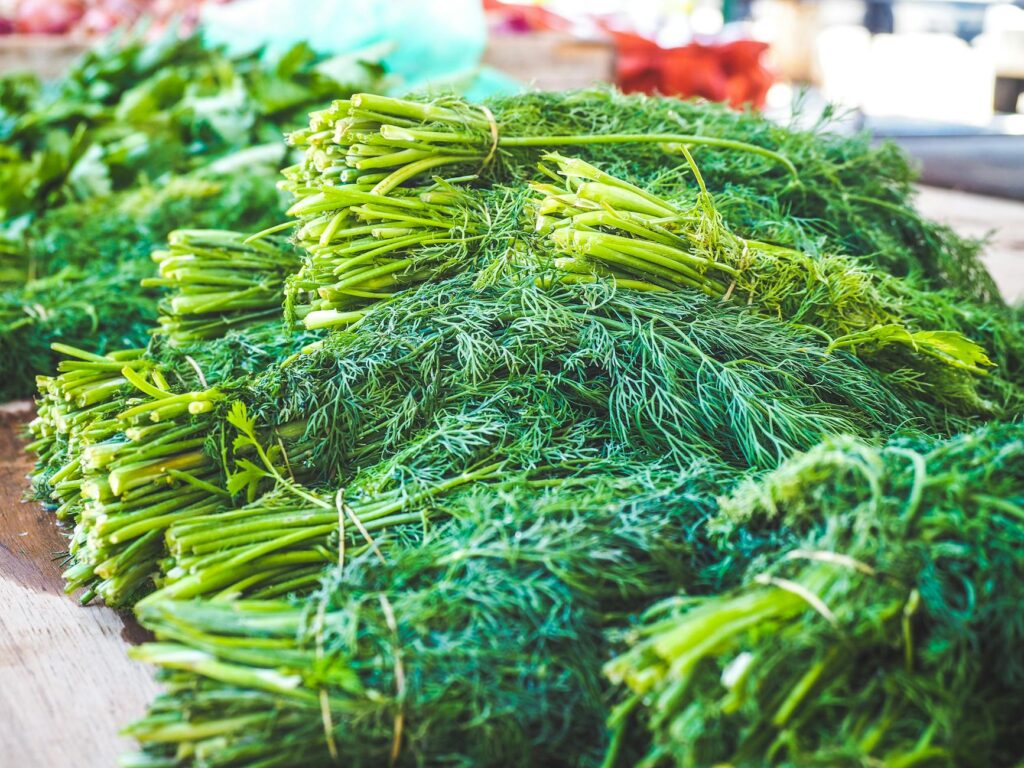
Fennel fronds are the delicate, fern-like leaves that grow atop the fennel bulb. Part of the Apiaceae family, which also includes carrots, celery, and parsley, fennel is a perennial herb native to the Mediterranean region. The fronds are characterized by their bright green color and feathery texture, offering a mild anise-like flavor that enhances various dishes, both in cooking and as a garnish.
History and Origins
The history of fennel can be traced back to ancient civilizations, where it was highly regarded not only for its culinary uses but also for its medicinal properties. Evidence suggests that fennel was cultivated by the Egyptians over 4,000 years ago, where it was used as a seasoning and for its health benefits. The Greeks and Romans also held fennel in high esteem; it was believed to promote strength and endurance.
In ancient Greece, fennel fronds were often associated with the goddess of wisdom, Athena. The Romans adopted fennel into their culinary practices, using it not only for flavoring but also as a digestive aid. This herb was a common ingredient in Roman feasts and was often used to flavor wines.
During the Middle Ages, fennel became an essential herb in European kitchens, particularly in Italy and France. The fronds were utilized in various dishes, and their aromatic qualities were appreciated in both cooking and herbal medicine. Fennel’s popularity continued to grow, leading to its introduction to the Americas in the 16th century by European settlers, who brought the plant along for its culinary and medicinal uses.
Production and Processing
Fennel is cultivated in various regions around the world, thriving in temperate climates. The main producers today include Italy, India, China, and the United States. Fennel is typically grown from seeds, which germinate into robust plants. The fronds are harvested when the plant reaches maturity, often coinciding with the harvesting of the bulb.
Processing fennel fronds is relatively straightforward. Once harvested, the fronds are washed and trimmed to remove any damaged leaves. They are often sold fresh, but can also be found dried or frozen, depending on the season and regional availability. Fresh fennel fronds are prized for their vibrant color and flavor, while dried fronds may lose some of their aromatic qualities.
Quality and Grading
When assessing the quality of fennel fronds, several factors come into play. Freshness is paramount; high-quality fronds should be bright green, crisp, and fragrant. Look for fronds that are free from browning or wilting, as these are indicators of age or poor handling.
Grading often focuses on the size and overall health of the fronds. Larger, more robust fronds generally indicate a healthier plant and are preferred for culinary use. However, smaller fronds can still offer intense flavor and may be used in salads or as garnishes.
Buying Considerations
When purchasing fennel fronds, consider the following tips to ensure you select the best quality:
1. Freshness: Always choose fresh fronds that are vibrant and aromatic. If available, buy directly from local farmers’ markets or specialty stores for the best quality.
2. Packaging: If buying packaged fronds, check for any signs of moisture, wilting, or browning. The packaging should be dry and intact.
3. Organic Options: Opting for organic fennel fronds can enhance flavor and reduce exposure to pesticides, making them a healthier choice.
4. Seasonality: Fennel fronds are typically in season during late spring and summer. Purchasing them in season ensures peak flavor and freshness.
5. Sourcing: Familiarize yourself with local producers or farms that grow fennel to support sustainable agriculture and access fresher produce.
Uses and Applications
The culinary applications of fennel fronds are diverse, making them an invaluable addition to various dishes. Here are some common uses:
- Garnish: The fronds can be used as a visually appealing garnish for soups, salads, and fish dishes, adding a pop of color and flavor.
- Flavoring: Chopped fennel fronds can enhance dressings, marinades, and sauces, imparting a subtle anise flavor that complements many ingredients.
- Infusions: The fronds can be infused into oils or vinegars, providing a unique flavor profile for culinary creations.
- Salads: Fresh fronds can be incorporated into salads, providing a refreshing herbal note that balances other flavors.
- Only the Bulb is Edible: Many people believe that only the bulb of the fennel plant is edible; however, the fronds are equally delicious and provide unique flavor and texture.
- Fennel Fronds are Just Garnish: While they are often used as a garnish, fennel fronds have a robust flavor that can enhance many dishes when used as a primary ingredient.
- Dried Fronds are Superior: Fresh fennel fronds are generally preferred for their vibrant flavor and aroma. Dried fronds may lose some of their potency and should be used in moderation.
In addition to culinary uses, fennel fronds have also found their way into the realm of mixology, where they are used to garnish cocktails or infused into spirits, adding an aromatic twist to drinks.
Storage and Shelf Life
To preserve the freshness of fennel fronds, proper storage is essential. Here are some guidelines:
1. Refrigeration: Store fresh fennel fronds in the refrigerator, ideally wrapped in a damp paper towel and placed in a plastic bag. This helps maintain moisture and prevents wilting.
2. Shelf Life: Fresh fronds can typically last up to a week in the refrigerator. However, for optimal flavor, it’s best to use them within three to five days of purchase.
3. Freezing: If you have an abundance of fennel fronds, consider freezing them. Chop the fronds, spread them on a baking sheet to freeze individually, and then transfer them to an airtight container. Frozen fronds can be added directly to cooked dishes, although their texture may change.
Common Misconceptions
Despite their culinary popularity, fennel fronds are often misunderstood. Here are some common misconceptions:
Frequently Asked Questions
1. Can fennel fronds be eaten raw?
Yes, fennel fronds can be eaten raw and are often used in salads or as a garnish. Their mild anise flavor adds a refreshing element to dishes.
2. Are fennel fronds the same as dill?
No, while both herbs have feathery leaves, fennel fronds and dill belong to different plant families and have distinct flavors. Fennel has a sweet, anise-like taste, while dill has a more pungent, herbal flavor.
3. How can I use fennel fronds in cooking?
Fennel fronds can be used in various ways, including as a garnish, in dressings, or infused into oils and vinegars. They can also be chopped and added to salads or cooked dishes for added flavor.
4. How should I store fennel fronds?
Fennel fronds should be stored in the refrigerator, wrapped in a damp paper towel and placed in a plastic bag to maintain freshness. They can also be frozen for longer storage.
5. Are there any culinary pairings that work well with fennel fronds?
Fennel fronds pair beautifully with seafood, citrus fruits, potatoes, and creamy dishes. Their unique flavor complements a variety of ingredients, enhancing the overall taste of meals.
6. Can I use fennel fronds in herbal teas?
Yes, fennel fronds can be used in herbal teas, providing a soothing flavor. Their aromatic qualities make them a pleasant addition to hot beverages, either alone or blended with other herbs.
Conclusion
Fennel fronds, often overshadowed by their bulbous counterparts, hold a rich history and a plethora of culinary applications. From their ancient origins to their modern-day uses, these delicate leaves embody the essence of flavor and aromatic potential in cooking. Understanding the history, production, and various applications of fennel fronds can enhance our appreciation for this versatile ingredient, inviting us to explore its potential in our culinary endeavors. As we continue to celebrate global food traditions, fennel fronds remind us of the interconnectedness of flavor, culture, and history.