
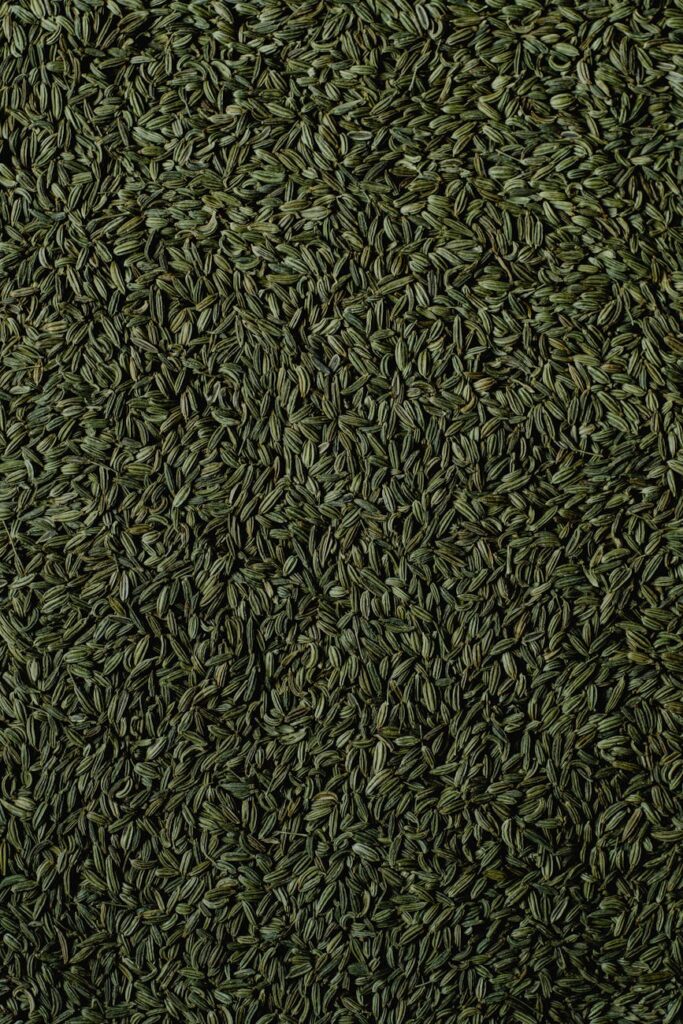
The History of Fennel
Introduction
Fennel, an aromatic herb belonging to the Apiaceae family, is celebrated not only for its culinary versatility but also for its rich history and cultural significance. This ancient plant, known for its distinct anise-like flavor, has been a staple in various cuisines worldwide. Beyond its culinary applications, fennel has deep roots in folklore, traditional medicine, and symbolism. In this article, we will explore the multifaceted history of fennel, tracing its origins, production, and cultural importance throughout the ages.
What Is Fennel?
Fennel (Foeniculum vulgare) is a flowering plant characterized by its feathery leaves, bulbous base, and aromatic seeds. Native to the Mediterranean region, it thrives in temperate climates and is used in various forms—bulb, fronds, and seeds. The bulb is often consumed as a vegetable, while the fronds are used as herbs and the seeds are a popular spice. Fennel’s flavor profile is unique, combining sweet and savory notes, making it a favorite ingredient in dishes ranging from salads to sauces.
History and Origins
The history of fennel dates back thousands of years. Its earliest cultivation is believed to have occurred in the Mediterranean region, particularly in ancient Egypt, where it was valued not only as a culinary herb but also for its medicinal properties. Historical texts indicate that fennel was used in traditional Egyptian medicine, particularly for digestive ailments.
Fennel’s prominence continued through ancient Greece and Rome. The Greeks revered fennel as a symbol of strength and courage, associating it with the legendary hero Hercules. Fennel was also used by Roman gladiators to enhance their strength and stamina, which led to its Latin name ‘Foeniculum,’ derived from ‘foenum’ meaning hay. The Romans further popularized fennel across Europe, where it became a common ingredient in various cuisines.
In the Middle Ages, fennel garnered attention for its supposed magical properties. It was believed to ward off evil spirits and was often hung over doorways to provide protection. As trade routes expanded, fennel spread to Asia and beyond, eventually becoming a staple in Indian, Middle Eastern, and Chinese cuisines.
Production and Processing
Fennel is cultivated worldwide, with major production occurring in regions with warm climates. Italy, India, China, and the United States are among the leading producers. The plant grows best in well-drained soil and requires ample sunlight. It typically reaches maturity within 90–120 days after planting.
Harvesting fennel is a delicate process. The bulbs are usually harvested when they reach a diameter of about 4 to 6 inches, just before they flower. This stage ensures the best flavor and texture. Fennel seeds, harvested from mature flowers, are collected once they turn brown and dry. After harvesting, fennel can undergo several processing methods, such as drying, grinding, or preserving, depending on its intended use.
Quality and Grading
The quality of fennel can significantly impact its flavor and culinary applications. When assessing fennel bulbs, they should be firm, with a smooth, pale green to white exterior. Fresh fennel fronds should be vibrant green and fragrant. For fennel seeds, quality is indicated by their aroma—fresh seeds should emit a strong, sweet scent.
Grading standards vary by region, but overall, high-quality fennel is characterized by its freshness and intense flavor. In terms of culinary applications, the choice between fresh fennel and dried seeds often depends on the specific dish and desired flavor intensity.
Buying Considerations
When purchasing fennel, consumers should pay attention to several factors to ensure they select the best quality. For fresh fennel bulbs, look for those that feel heavy for their size and have a crisp texture. Avoid any bulbs with brown spots or wilting fronds. Fresh fennel is best used shortly after purchase but can be refrigerated for up to a week.
For fennel seeds, opt for whole seeds over pre-ground varieties, as they retain their flavor longer. Store seeds in an airtight container, away from light and moisture, to preserve their potency. When buying packaged fennel, check for freshness dates and opt for reputable brands known for quality.
Uses and Applications
Fennel’s culinary applications are diverse, owing to its unique flavor and texture. The bulb can be sliced and eaten raw in salads, roasted, or sautéed. Its fronds serve as a flavorful herb, often used to garnish dishes or infuse sauces. Fennel seeds, on the other hand, are a common spice in various cuisines, used in everything from bread and pastries to pickles and sausages.
In addition to its culinary uses, fennel holds cultural significance in many societies. In ancient Rome, it was often consumed during feasts, symbolizing abundance and prosperity. In India, fennel seeds are chewed after meals as a breath freshener and digestive aid. The seeds are also integral to various spice blends, including the popular Indian masala.
Storage and Shelf Life
The storage of fennel is crucial to maintaining its flavor and texture. Fresh fennel bulbs should be stored in the refrigerator, ideally wrapped in a damp paper towel and placed in a perforated plastic bag to retain moisture. When properly stored, fresh fennel can last for about a week.
Fennel seeds, if kept in a cool, dark place in an airtight container, can last for several months to a year without losing their flavor. Ground fennel, however, tends to lose potency more quickly and should ideally be used within six months of grinding.
Common Misconceptions
Despite its widespread use, fennel is often surrounded by misconceptions. One common belief is that fennel and anise are the same; while they share a similar flavor profile, they are distinct plants. Fennel is a bulbous vegetable, whereas anise is mainly cultivated for its seeds.
Another misconception is that fennel is only suitable for specific cuisines. In reality, fennel’s versatility allows it to be incorporated into a variety of dishes across different culinary traditions, from Mediterranean to Asian.
Frequently Asked Questions
1. What does fennel taste like?
Fennel has a unique flavor reminiscent of licorice or anise, with a slightly sweet and aromatic profile. The taste can vary depending on the part used; the bulb is milder, while the seeds are more intense.
2. Is fennel a vegetable or an herb?
Fennel can be classified as both. The bulb and fronds are used as vegetables and herbs, respectively, while the seeds serve as a spice.
3. Can fennel be eaten raw?
Yes, fennel can be eaten raw. The bulb is often sliced thin and added to salads for a crunchy texture and refreshing flavor.
4. How do you prepare fennel?
Preparing fennel typically involves trimming the stalks and fronds, slicing the bulb, and removing any tough outer layers. It can be consumed raw, cooked, or used in various dishes.
5. Are fennel seeds a common spice in cooking?
Absolutely. Fennel seeds are widely used in cooking, particularly in spice blends, baked goods, and savory dishes, providing a distinct flavor.
6. Is fennel available year-round?
Fennel is generally available year-round, though peak seasons may vary by region. Fresh fennel is most abundant in the cooler months, while fennel seeds are available year-round.
Conclusion
Fennel is a remarkable ingredient with a storied history that spans centuries and cultures. Its culinary versatility, combined with its rich heritage, makes it a valuable addition to a wide array of dishes. Understanding fennel’s history and production not only enhances one’s appreciation of this unique herb but also informs better culinary choices. As we continue to explore global flavors, fennel remains a cherished ingredient that bridges the past with the present, enhancing our culinary experiences.