
The History of Fermented Black Garlic
Introduction
Fermented black garlic has emerged as a culinary delight and a superfood, gaining popularity in kitchens and health-conscious households worldwide. This unique ingredient, characterized by its distinct flavor profile and numerous culinary applications, has a rich history that dates back centuries. In this article, we will explore the multifaceted history of fermented black garlic, tracing its origins, production methods, and cultural significance across different regions.
What Is About?
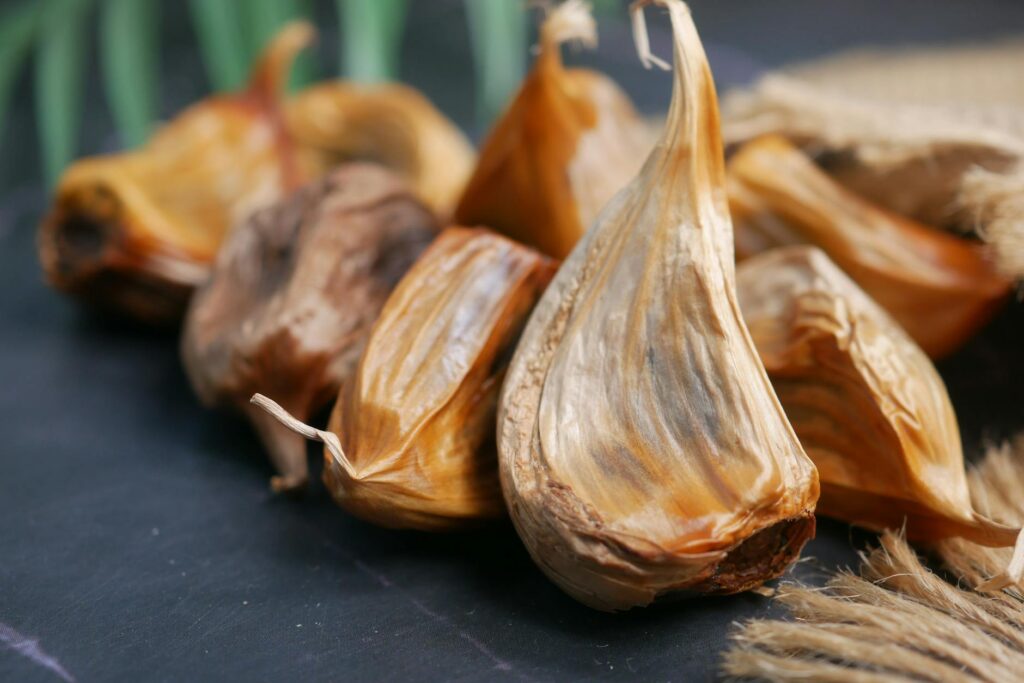
Fermented black garlic is produced by fermenting raw garlic bulbs under controlled conditions of heat and humidity for several weeks. This process transforms the pungent, sharp flavor of raw garlic into a sweet, complex taste with a soft, chewy texture. The fermentation process also leads to a change in color, resulting in the characteristic black cloves. Rich in antioxidants and other beneficial compounds, fermented black garlic has garnered attention not just for its culinary versatility but also for its potential health benefits.
History and Origins
The history of fermented black garlic is a tapestry woven through various cultures, particularly in Asia. While the exact origins remain somewhat ambiguous, it is widely believed that fermented black garlic first emerged in Korea and Japan, where traditional fermentation practices were already well-established.
Early Uses in Asia
In Korea, black garlic (known as “heuk garlic”) has been used for centuries, primarily in culinary applications and traditional medicine. The fermentation process was likely discovered accidentally, as garlic was stored in moist environments, leading to natural fermentation. It became a staple in Korean cuisine, valued for its unique flavor and potential health benefits.
Similarly, in Japan, fermented black garlic is often incorporated into dishes for its umami flavor and health-promoting properties. The Japanese have long revered garlic, and the fermentation process elevated its status, resulting in a cherished ingredient in various regional dishes.
Spread to the West
The global fascination with fermented black garlic began to flourish in the early 21st century, primarily due to the increasing interest in health foods and superfoods. Chefs and culinary enthusiasts in Western countries began experimenting with this ingredient, recognizing its potential to enhance flavors while providing nutritional benefits. This newfound appreciation led to a surge in the availability of fermented black garlic in gourmet markets and specialty food stores.
Production and Processing
The production of fermented black garlic involves several key steps, ensuring quality and flavor development throughout the fermentation process.
Raw Material Selection
The quality of the raw garlic used is paramount. Typically, high-quality, organic garlic bulbs are selected for fermentation, as their flavor and health properties will influence the final product.
Fermentation Process
The fermentation process typically occurs in a controlled environment with specific temperature and humidity levels. Garlic bulbs are placed in fermentation chambers where they are subjected to warm temperatures (around 60-80°C) and high humidity (around 80-90%) for a period ranging from three weeks to several months. During this time, enzymatic reactions occur, resulting in the conversion of sulfur compounds, which contribute to the garlic’s distinct aroma and flavor profile. The sugars in the garlic are also caramelized, giving the cloves their sweet flavor.
Final Processing
After fermentation, the black garlic is usually cooled, dried, and packaged for distribution. Some producers may choose to slice or puree the garlic for convenience, while others offer whole bulbs. The final product retains the unique black color and soft texture, making it a versatile ingredient for various culinary applications.
Quality and Grading
The quality of fermented black garlic can vary significantly based on several factors, including the type of garlic used, the fermentation process, and post-fermentation handling.
Indicators of Quality
- Color: High-quality black garlic should have a uniform, rich black color. Variations may indicate inconsistencies in the fermentation process.
- Texture: The cloves should be soft and chewy, easily yielding to pressure. A dry or hard texture may indicate subpar fermentation.
- Flavor: The taste should be sweet with mild umami notes, devoid of any bitterness or unpleasant aftertaste.
- Cool, Dark Place: Store unopened jars or bulbs in a cool, dark place away from direct sunlight.
- Refrigeration: Once opened, refrigeration is recommended to prolong freshness. Use an airtight container to prevent moisture loss and contamination.
Grading Systems
While there is no standardized grading system specifically for fermented black garlic, producers often categorize their products based on these quality indicators. Consumers are encouraged to seek reputable brands that prioritize high-quality production methods.
Buying Considerations
When purchasing fermented black garlic, several factors should be considered to ensure the best quality and flavor.
Source and Brand
Opt for products from well-established brands that specialize in fermentation processes. Check for organic certifications, as these often indicate higher quality raw materials and more sustainable farming practices.
Packaging
Fermented black garlic is typically sold in various forms: whole bulbs, peeled cloves, or as a paste. Consider your intended use when selecting packaging. Whole bulbs may offer a longer shelf life, while pre-peeled cloves are convenient for immediate use.
Price
Prices for fermented black garlic can vary widely based on quality, source, and packaging. While it is generally more expensive than regular garlic, the unique flavor and health benefits can justify the investment for culinary enthusiasts.
Uses and Applications
Fermented black garlic’s unique flavor profile makes it a versatile ingredient in various culinary applications.
Culinary Uses
1. Condiments: It can be used to create dips, spreads, or sauces, adding a rich, sweet flavor.
2. Flavor Enhancer: Incorporate it into dressings, marinades, or glazes to elevate dishes.
3. Garnish: Whole cloves can be used as a garnish for meats, fish, or vegetable dishes, providing both visual appeal and flavor.
4. Soups and Stews: Add it to soups and stews for depth and complexity.
Cultural Significance
In many Asian cultures, black garlic is celebrated not just for its culinary uses but also for its role in traditional medicine. It has been associated with various health benefits, although it’s essential to note that these claims are often anecdotal and not universally accepted.
Storage and Shelf Life
Proper storage is essential to maintain the quality and flavor of fermented black garlic.
Storage Recommendations
Shelf Life
When stored properly, fermented black garlic can last for several months to a year. Always check for any signs of spoilage, such as an off smell or changes in texture, before use.
Common Misconceptions
Despite its growing popularity, several misconceptions about fermented black garlic persist.
Misconception 1: It’s Just Black Garlic
While fermented black garlic and black garlic are often used interchangeably, they are not the same. Fermented black garlic undergoes a specific fermentation process that enhances its flavor and health properties.
Misconception 2: It’s a Health Cure-All
While fermented black garlic offers several potential health benefits, it should not be viewed as a miracle cure or substitute for medical treatment. Its nutritional profile is valuable, but it is not a replacement for a balanced diet or medical advice.
Frequently Asked Questions
1. How is fermented black garlic different from raw garlic?
Fermented black garlic has undergone a fermentation process that alters its flavor, texture, and nutritional composition, making it sweeter and softer than raw garlic.
2. Can I make fermented black garlic at home?
Yes, it is possible to make fermented black garlic at home using a rice cooker or fermentation chamber, but it requires careful monitoring of temperature and humidity.
3. How should I incorporate fermented black garlic into my cooking?
You can use it in sauces, dressings, marinades, soups, or as a garnish to enhance the flavor of various dishes.
4. Is fermented black garlic safe to eat?
Yes, when purchased from reputable sources and stored properly, fermented black garlic is safe to eat.
5. What should I look for when buying fermented black garlic?
Look for high-quality products with a uniform black color, soft texture, and a sweet, umami flavor, preferably from reputable brands.
6. Can fermented black garlic be frozen?
While freezing is possible, it may alter the texture. It is best to store it in a cool, dark place or in the refrigerator for optimal quality.
Conclusion
The history of fermented black garlic is a rich narrative that spans cultures and centuries, highlighting its significance in both culinary and medicinal contexts. From its origins in Asia to its rise in global cuisine, this unique ingredient continues to captivate food enthusiasts and health-conscious consumers alike. By understanding its history, production, and applications, one can truly appreciate the depth and complexity that fermented black garlic brings to the culinary world.