
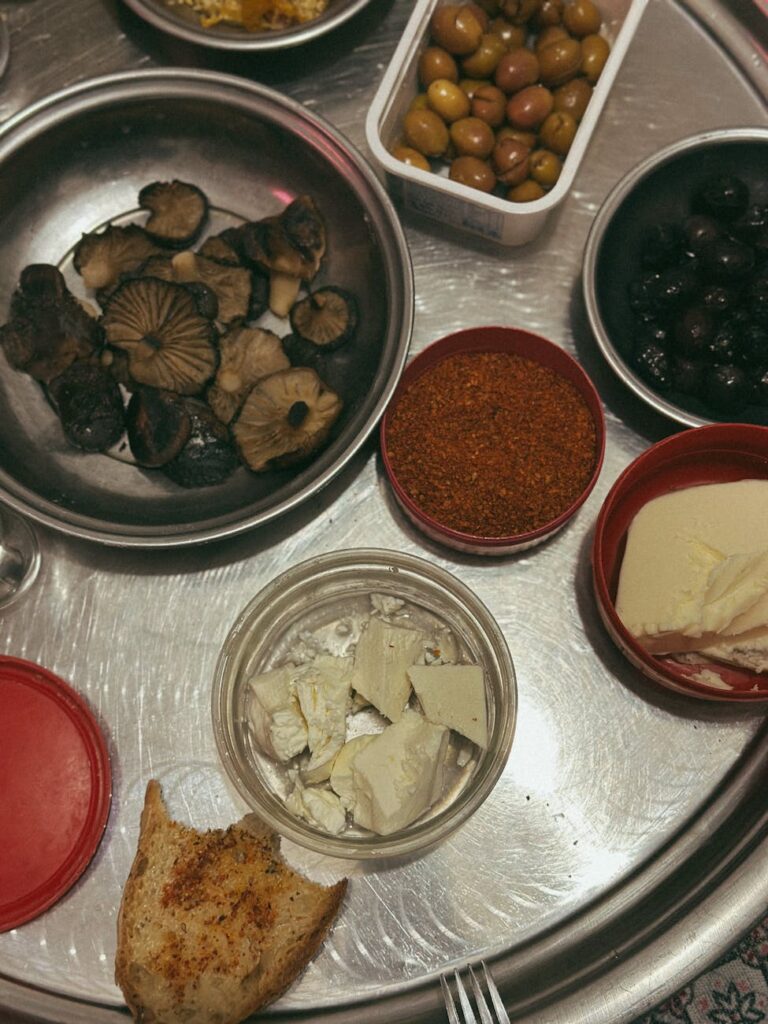
The History of Feta Cheese
Introduction
Feta cheese is a beloved ingredient in Mediterranean cuisine, known for its tangy flavor and crumbly texture. Celebrated for its versatility, feta is enjoyed in salads, pastries, and a variety of dishes across cultures. However, its history is as rich as its taste, reflecting centuries of culinary tradition, regional variations, and evolving production techniques. This article delves into the fascinating journey of feta cheese, from its ancient origins to its modern-day applications.
What Is Feta Cheese?
Feta cheese, traditionally made from sheep’s milk or a mixture of sheep and goat’s milk, is a brined curd cheese with a distinctively crumbly texture and a salty, tangy flavor. Its pale white color and irregular shapes make it easily recognizable. The term “feta” originates from the Italian word “fetta,” meaning “slice,” which reflects the way the cheese is cut and served. Classified as a “fresh cheese,” feta is typically consumed shortly after production, although it can also be aged for a more robust flavor.
History and Origins
The origins of feta cheese can be traced back to ancient Greece, with historical references dating as far back as the 8th century BCE. The Greek poet Homer mentions a cheese resembling feta in his epic poems, suggesting its long-standing place in Greek culinary tradition. Archaeological evidence indicates that cheese-making began in the region around 5000 BCE, with local herders likely discovering the curdling process by accident.
Feta’s association with Greece grew throughout the centuries, securing its status as a staple in Greek cuisine. By the 16th century, feta was firmly entrenched in the culinary practices of the Mediterranean region, particularly in the Greek islands and the mainland. It was traditionally made from the milk of local sheep and goats, which thrived in the rocky terrain, leading to the development of unique flavors influenced by the local flora.
In 2002, feta cheese received Protected Designation of Origin (PDO) status from the European Union, further solidifying its connection to Greece. This designation ensures that only cheese produced in specific regions of Greece, following traditional methods, can be labeled as feta.
Production and Processing
The production of feta cheese is a meticulous process that begins with the selection of high-quality milk. Traditional feta is primarily made from sheep’s milk, although goat’s milk is often added to enhance flavor. The milk is heated and combined with rennet, a natural enzyme that facilitates curd formation. Once the curds form, they are cut into small pieces and gently stirred to encourage whey separation.
After the curds have settled, they are drained and placed into molds where they are pressed lightly to expel additional whey. The cheese is then salted and transferred to brine, where it matures for several weeks to several months. The brining process is crucial, as it not only enhances the flavor but also helps in preserving the cheese.
Modern production methods may incorporate pasteurized milk and standardized recipes, which can lead to variations in taste and texture. However, traditional artisanal methods remain cherished in many regions, particularly in Greece, where local cheesemakers uphold centuries-old techniques.
Quality and Grading
Feta cheese is graded based on several criteria, including taste, texture, and moisture content. Authentic feta has a creamy, crumbly texture with a strong, salty flavor that can vary depending on the milk source and production method. The PDO designation ensures that the cheese meets specific quality standards, reflecting its geographic and production heritage.
When evaluating feta, look for a cheese that is well-brined, with a clean, fresh aroma. It should have a slightly crumbly texture, indicating proper aging, and a balanced flavor profile that is both tangy and salty. The best feta is often sold in blocks or crumbled form, packaged in brine to maintain moisture and flavor.
Buying Considerations
When purchasing feta cheese, several factors should be considered to ensure quality and authenticity. Opt for feta that is labeled with the PDO designation, indicating that it meets strict production standards and originates from designated regions in Greece. This designation not only guarantees authenticity but also ensures a higher quality product.
Feta is commonly available in various forms, including crumbled, block, or in brine. While crumbled feta is convenient for salads and garnishes, block feta offers flexibility for slicing and cooking. Additionally, feta packaged in brine tends to retain moisture better, preserving its flavor and texture.
Be cautious of mass-produced feta that may lack the distinctive taste and quality of artisanal varieties. Reading labels and sourcing from reputable suppliers can enhance your feta experience. Local farmers’ markets or specialty cheese shops often carry high-quality feta that showcases unique regional characteristics.
Uses and Applications
Feta cheese is a versatile ingredient that can elevate a wide array of dishes. Its tangy flavor pairs beautifully with fresh vegetables, making it a staple in salads like the classic Greek salad, which combines tomatoes, cucumbers, olives, and red onion. Feta also shines in pastries, such as spanakopita, where its creamy texture complements the flakiness of phyllo dough.
In addition to salads and pastries, feta is an excellent addition to pasta dishes, grain bowls, and omelets, contributing a delicious contrast to richer ingredients. Its crumbly texture makes it a popular topping for pizzas and flatbreads, while its saltiness enhances roasted vegetables and grilled meats.
Feta can also be used in dips and spreads, blended with yogurt or cream cheese for a delightful appetizer. Its versatility allows it to be incorporated into both savory and sweet applications, making it a favorite among chefs and home cooks alike.
Storage and Shelf Life
Proper storage is essential for maintaining the quality of feta cheese. When purchased, feta should be kept in its brine or packed in an airtight container to prevent it from drying out. If stored correctly, feta can last for several weeks in the refrigerator.
Once opened, consume feta within a week or two for optimal freshness. For longer-term storage, consider freezing feta, although this may alter its texture. To freeze, wrap the cheese tightly in plastic wrap, followed by aluminum foil, and place it in an airtight container. Thawing should be done in the refrigerator before use.
Common Misconceptions
Despite its popularity, several misconceptions about feta cheese persist. One common belief is that all feta cheese is the same; however, there is significant variation in flavor and quality based on the milk source, production method, and region. Authentic feta, particularly that bearing the PDO label, reflects the unique characteristics of its origins.
Another misconception is that feta is exclusively a Greek cheese. While its roots are deeply embedded in Greek culture, similar types of brined cheeses are produced in other countries, including Turkey, Bulgaria, and Cyprus. Each of these variations offers a unique flavor profile and texture, contributing to the cheese’s global appeal.
Lastly, some people assume that feta is always made from sheep’s milk. While traditional feta is primarily made from sheep’s milk, many modern versions incorporate goat’s milk or even cow’s milk, which can alter the taste and texture. Understanding these variations can enhance one’s appreciation for this beloved cheese.
Frequently Asked Questions
1. Is feta cheese gluten-free?
Yes, feta cheese is gluten-free, making it a suitable option for those with gluten sensitivities. However, always check the packaging for any potential cross-contamination.
2. Can feta cheese be used in cooking?
Absolutely! Feta cheese is incredibly versatile and can be used in a variety of cooked dishes, including casseroles, baked goods, and as a topping for grilled items.
3. What is the difference between feta and other cheeses?
Feta is a brined cheese known for its crumbly texture and tangy flavor, typically made from sheep’s or goat’s milk. Other cheeses, like mozzarella or cheddar, have different textures and flavor profiles due to varying production methods and milk sources.
4. How can I tell if feta cheese is fresh?
Fresh feta should have a clean aroma and a creamy, crumbly texture. It should not have any off odors or excessive moisture. If it appears dry or overly salty, it may be past its prime.
5. How is feta cheese best stored?
Feta cheese should be stored in its brine or in an airtight container in the refrigerator. This helps maintain its moisture and flavor. If stored properly, it can last for several weeks.
6. Can feta cheese be frozen?
Feta cheese can be frozen, but the texture may change upon thawing. To freeze, wrap it tightly in plastic wrap and place it in an airtight container. Thaw in the refrigerator before use.
Conclusion
Feta cheese is more than just a culinary staple; it is a rich tapestry of history, tradition, and flavor that spans millennia. With its origins rooted in ancient Greece, feta has evolved through generations, becoming a beloved ingredient worldwide. Understanding its production, uses, and nuances can deepen one’s appreciation for this extraordinary cheese, making it a cherished addition to any kitchen.