
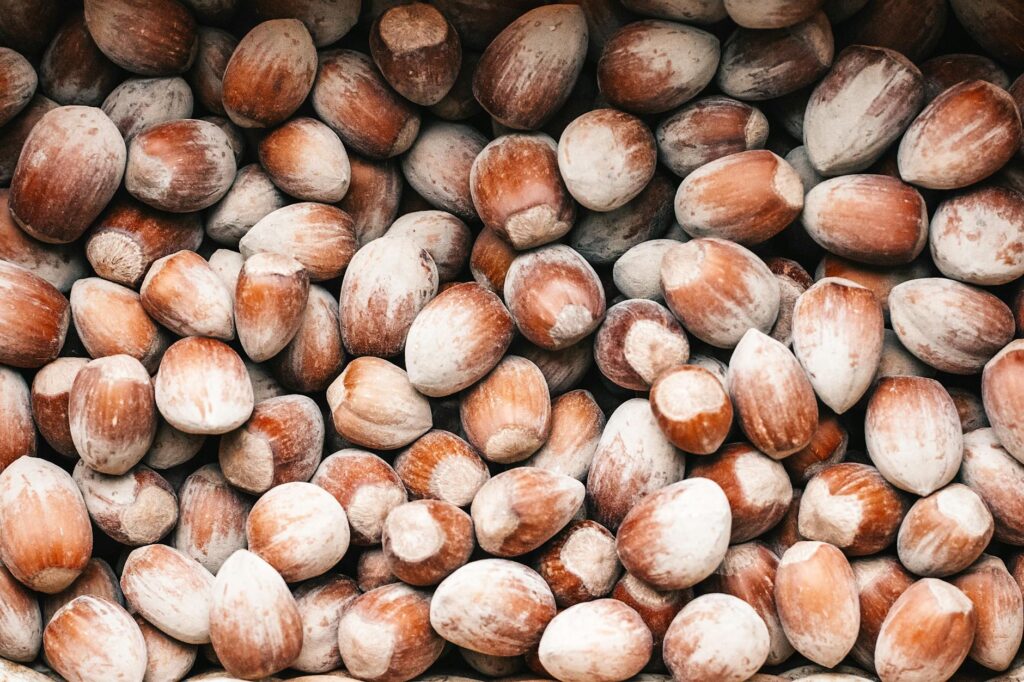
The History of Hazelnuts
Introduction
Hazelnuts, known for their rich flavor and versatility, have played a significant role in culinary traditions across various cultures. This article delves into the historical journey of hazelnuts, tracing their origins, production, and applications. As we explore the fascinating world of this beloved nut, we will also address common misconceptions and provide guidance on selecting and storing hazelnuts.
What Is About?
The term “hazelnuts” refers to the edible nuts of the hazel tree, primarily from the species Corylus avellana. These nuts are characterized by their round shape, brownish skin, and creamy, slightly sweet flavor. Hazelnuts are not only enjoyed as a snack but are also used in a variety of dishes and products, including confectionery, baking, and cooking oils. Their nutritional profile adds to their appeal, with a good balance of healthy fats, vitamins, and minerals.
History and Origins
The history of hazelnuts can be traced back thousands of years. Archaeological evidence suggests that hazelnuts were consumed by ancient civilizations in Europe and the Near East. The oldest known hazelnut remains were found in the Mesolithic layers of a site in Switzerland, dating back to approximately 9,000 B.C. This indicates that early humans recognized the nutritional value of hazelnuts long before the advent of agriculture.
Hazelnuts were cultivated by the ancient Greeks and Romans, who valued them not only for their taste but also for their versatility. In Greece, hazelnuts were often used in sweet dishes and were sometimes considered a symbol of fertility. The Romans also appreciated hazelnuts, using them in various culinary applications, including sauces and confections.
During the Middle Ages, hazelnuts became increasingly popular across Europe, especially in regions like France and Italy, where they were incorporated into both savory and sweet recipes. The name “hazelnut” is derived from the Old English word “hæsel,” which reflects its deep-rooted presence in European culture.
The cultivation of hazelnuts spread to the New World with European settlers in the 17th century. Over time, the United States emerged as a significant producer of hazelnuts, particularly in the Pacific Northwest, where the climate proved favorable for their growth.
Production and Processing
The production of hazelnuts is a meticulous process, requiring specific climate conditions—mild winters and warm, dry summers. Turkey is the leading producer of hazelnuts globally, accounting for about 70% of the world’s supply. Other notable producers include Italy, the United States, and Azerbaijan.
Hazelnuts thrive in well-drained, fertile soil and require cross-pollination to yield good harvests. The trees typically bear fruit after four to five years. Harvesting occurs in late summer to early autumn when the nuts turn brown and begin to drop from the trees. Once harvested, hazelnuts undergo a series of processing steps.
After collection, the nuts are usually dried to reduce moisture, which helps prevent spoilage. They may be hulled to remove the outer shell, resulting in the edible kernel. Depending on the intended use, hazelnuts can be sold raw, roasted, sliced, or ground into flour. Roasting enhances their flavor and aroma, making them a popular choice for a variety of applications.
Quality and Grading
The quality of hazelnuts is determined by several factors, including size, flavor, and appearance. Hazelnuts are typically graded based on their diameter, with larger nuts generally commanding higher prices. The grading system varies by region, but it generally includes categories such as “extra,” “first,” and “second” grades.
Quality control is crucial in hazelnut production. Farmers and processors conduct taste tests and visual inspections to ensure that the nuts are free from defects, such as mold or insect damage. The presence of any off-flavors may indicate poor storage conditions or improper processing.
Additionally, the moisture content of hazelnuts is closely monitored, as excessive moisture can lead to spoilage. Proper grading and quality control standards help maintain the integrity of hazelnuts throughout the supply chain, from farm to consumer.
Buying Considerations
When purchasing hazelnuts, several factors should be taken into account to ensure quality and flavor. First and foremost, consider the source. Look for reputable suppliers who provide information about their sourcing practices and processing methods.
Freshness is another critical factor. Hazelnuts can lose their flavor over time, especially when exposed to air, light, and heat. It’s advisable to check for packaging dates and opt for nuts that have been vacuum-sealed or stored in airtight containers.
Additionally, consider whether you want raw or roasted hazelnuts. Raw nuts retain their natural flavor, while roasting enhances their nuttiness and aroma. If you prefer sliced or ground hazelnuts, ensure they are finely processed to meet your needs.
Finally, pay attention to certifications. Organic or sustainably sourced hazelnuts may be preferable for consumers concerned about environmental impact or chemical use in agriculture.
Uses and Applications
Hazelnuts are celebrated for their versatility in culinary applications. They are commonly used in both sweet and savory dishes, with their rich, buttery flavor complementing a wide range of ingredients.
In baking, hazelnuts are often incorporated into cookies, cakes, and pastries. They can be ground into flour for gluten-free baking or used as a topping for desserts to add crunch and flavor. Hazelnut spread, a beloved confectionery product, is made from roasted hazelnuts combined with sugar and cocoa, creating a creamy, decadent treat.
Beyond sweets, hazelnuts find their place in savory dishes as well. They can be toasted and added to salads for texture, used in pestos, or blended into sauces to enhance flavor. Hazelnut oil, extracted from the nuts, is prized for its nutty aroma and is commonly used in salad dressings and marinades.
In addition to culinary uses, hazelnuts are also utilized in the cosmetic industry. Their oil is often included in skincare products for its moisturizing properties, making it a popular choice for formulating lotions and creams.
Storage and Shelf Life
Proper storage is essential for maintaining the freshness and flavor of hazelnuts. When stored correctly, hazelnuts can last for several months, even up to a year or more.
For short-term storage, hazelnuts should be kept in a cool, dry place, away from direct sunlight. An airtight container is ideal to prevent exposure to air and moisture, which can lead to rancidity. If you plan to store hazelnuts for an extended period, refrigeration or freezing is recommended. In the refrigerator, they can last for up to six months, while freezing can extend their shelf life to a year or more.
It is important to note that once hazelnuts have been roasted, they may have a shorter shelf life due to the increased susceptibility to oxidation. Therefore, it’s best to consume roasted hazelnuts within a few months for optimal flavor.
Common Misconceptions
Despite their popularity, several misconceptions about hazelnuts persist. One common myth is that all hazelnuts are created equal. In reality, there are various cultivars of hazelnuts, each with unique flavor profiles and characteristics. For example, the “Barcelona” variety is known for its large size and sweet flavor, while the “Tonda Gentile” is celebrated for its high oil content and rich taste.
Another misconception is that hazelnuts are unhealthy due to their high-fat content. However, the fats found in hazelnuts are primarily healthy monounsaturated fats, which can contribute to heart health when consumed as part of a balanced diet.
Lastly, some people remain unaware of the environmental benefits of hazelnut cultivation. Hazelnut trees can play a role in biodiversity, as they support various wildlife species and help prevent soil erosion. Sustainable farming practices are increasingly being adopted in hazelnut production, promoting environmental stewardship.
Frequently Asked Questions
1. What is the best way to roast hazelnuts at home?
To roast hazelnuts at home, preheat your oven to 350°F (175°C). Spread the hazelnuts in a single layer on a baking sheet and roast for 10-15 minutes, stirring occasionally, until they are fragrant and lightly golden. Be sure to monitor them closely to prevent burning.
2. Can hazelnuts be substituted for other nuts in recipes?
Yes, hazelnuts can often be substituted for other nuts, such as almonds or walnuts, in recipes. However, keep in mind that they have a distinct flavor, so the final dish may taste different.
3. Are hazelnuts gluten-free?
Yes, hazelnuts are naturally gluten-free, making them a suitable option for those with gluten sensitivities or celiac disease. However, always check for cross-contamination if they are processed in facilities that handle gluten-containing grains.
4. How can I tell if hazelnuts have gone bad?
If hazelnuts have an off smell or taste rancid, they have likely gone bad. Additionally, if you notice any mold or unusual discoloration, it’s best to discard them.
5. Are hazelnuts high in calories?
Hazelnuts are calorie-dense due to their fat content, but they are also packed with nutrients. A small serving can provide healthy fats, fiber, vitamins, and minerals, making them a nutritious snack option when consumed in moderation.
6. Can I eat hazelnuts if I have a nut allergy?
If you have a nut allergy, it is essential to avoid hazelnuts, as they can trigger allergic reactions in susceptible individuals. Always consult with a healthcare professional before introducing any new foods into your diet.
Conclusion
The rich history of hazelnuts is woven into the fabric of culinary traditions around the world. From their ancient origins to modern applications, hazelnuts continue to be celebrated for their flavor, versatility, and nutritional value. Understanding their production, quality, and proper storage can enhance your appreciation for this delightful ingredient, ensuring that you enjoy hazelnuts in their best form for years to come.