
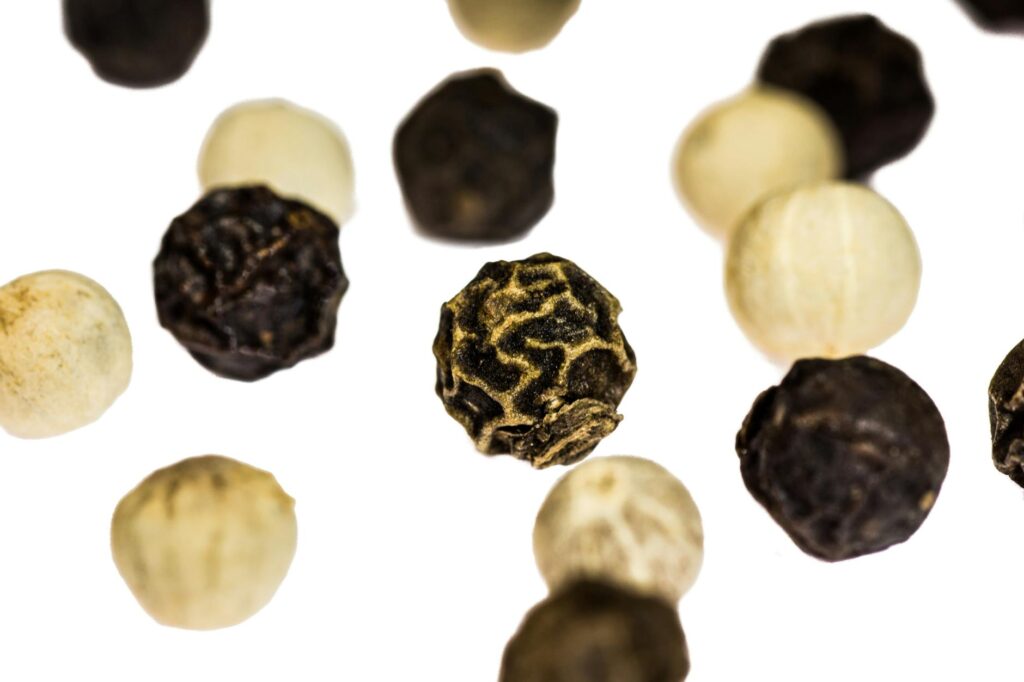
The History of Kaleidoscope Pepper
Introduction
Kaleidoscope pepper is not merely a spice; it is a sensory experience, a vibrant explosion of colors and flavors that captivates the culinary world. This unique pepper variety stands out for its striking appearance and complex taste profile, making it a cherished ingredient among chefs and home cooks alike. In this article, we delve into the rich history and multifaceted nature of kaleidoscope pepper, exploring its origins, production methods, and various applications in the culinary landscape.
What Is About?
Kaleidoscope pepper, also known as rainbow pepper or multi-colored pepper, is a blend of different pepper varieties harvested at varying stages of ripeness. The resulting medley showcases a spectrum of colors, including green, yellow, red, and even purple. Each color contributes distinct flavor notes, ranging from mildly sweet to pungently spicy, creating a complex, layered taste that enhances numerous dishes. Beyond its visual appeal, kaleidoscope pepper also offers a range of aromatic qualities, making it an essential ingredient in gourmet cooking.
History and Origins
The history of kaleidoscope pepper is deeply intertwined with the broader narrative of pepper cultivation. The origins of pepper can be traced back over 4,000 years to Southeast Asia, where the Piper nigrum plant was first domesticated. While traditional black, white, and green peppers have long dominated spice markets, the concept of blending different pepper varieties to create a visually striking and flavorful product is relatively recent.
Kaleidoscope pepper emerged as a culinary innovation in the late 20th century, primarily in the United States and Europe. As global cuisines began to intertwine, chefs sought new ingredients that could elevate their dishes not only in flavor but also in presentation. The kaleidoscope pepper quickly became a popular choice, celebrated for its versatility and aesthetic appeal.
Production and Processing
The production of kaleidoscope pepper involves several steps, from cultivation to harvesting and processing. It begins with the growth of various pepper plants, including both Piper nigrum and other species such as Piper cubeba and Piper longum. Farmers typically select peppers at different stages of ripeness, allowing for a range of flavors and colors.
Once harvested, the peppers undergo a careful processing method. The peppers are washed, sorted, and sometimes dried to enhance their shelf life. The drying process is crucial, as it concentrates the flavors and preserves the vibrant colors. After drying, the peppers may be ground into a powder or left whole, depending on market demand and culinary applications.
Quality control is an essential aspect of production. Producers often perform taste tests and visual inspections to ensure that only the best peppers make it into the final blend. This attention to detail contributes to the premium nature of kaleidoscope pepper, distinguishing it from standard pepper blends.
Quality and Grading
Kaleidoscope pepper is graded based on several factors, including color, size, aroma, and flavor intensity. High-quality kaleidoscope pepper showcases a brilliant array of colors, with no signs of blemishes or discoloration. The aroma should be fresh and aromatic, with a balanced blend of sweet and spicy notes.
Grading systems often categorize kaleidoscope pepper into different tiers, with premium grades reserved for the most visually appealing and flavorful mixes. This grading not only affects pricing but also influences how chefs and culinary professionals select ingredients for their dishes. A higher grade of kaleidoscope pepper is often sought after for gourmet applications, while mid-range options may be used for everyday cooking.
Buying Considerations
When purchasing kaleidoscope pepper, several factors should be considered to ensure quality and authenticity.
1. Source: Look for reputable suppliers or specialty spice shops that prioritize quality. Organic and sustainably sourced peppers often yield better flavor profiles.
2. Appearance: Examine the color and texture of the pepper. A vibrant mix of colors without any signs of fading or damage indicates freshness.
3. Aroma: A rich, inviting aroma is a good sign of quality. If possible, smell the pepper before purchase; fresher varieties will have a more pronounced scent.
4. Form: Decide whether you prefer whole peppercorns or ground pepper. Whole peppercorns tend to retain their freshness longer, while ground pepper is convenient for immediate use.
5. Packaging: Opt for packaging that protects the pepper from light and moisture, as these factors can degrade quality over time.
6. Price: While kaleidoscope pepper can be more expensive than standard pepper blends, the investment often reflects the quality and complex flavor it brings to dishes.
Uses and Applications
Kaleidoscope pepper is incredibly versatile and can be used in a wide range of culinary applications. Its vibrant colors and unique flavor profile make it an excellent choice for:
- Seasoning: Use it to season meats, seafood, and vegetables, adding both visual appeal and depth of flavor to dishes.
- Garnishing: Sprinkle whole kaleidoscope peppercorns over salads, soups, or pasta dishes for an attractive garnish that enhances flavor.
- Infusing Oils and Vinegars: Kaleidoscope pepper can be used to infuse oils or vinegars, imparting its complex flavors to dressings and marinades.
- Spice Blends: Incorporate kaleidoscope pepper into spice blends for rubs and marinades, creating a unique twist on traditional recipes.
Its distinct taste also pairs well with various cuisines, from Asian stir-fries to Mediterranean dishes, making it a staple in both home kitchens and professional restaurants.
Storage and Shelf Life
Proper storage is essential for maintaining the flavor and quality of kaleidoscope pepper. To maximize shelf life, store it in an airtight container away from light and moisture, ideally in a cool, dark place. Whole peppercorns can last up to three years when stored correctly, while ground pepper typically retains its best flavor for about six months.
It’s important to periodically check your pepper for any signs of fading color or off-putting smells, as these can indicate deterioration. If you notice any changes, it may be time to replace your supply.
Common Misconceptions
Despite its popularity, several misconceptions surround kaleidoscope pepper:
1. It’s Just a Marketing Gimmick: While its vibrant appearance may attract attention, the flavor complexity and culinary uses of kaleidoscope pepper are genuine and valuable.
2. All Peppercorns Are the Same: The blending of different pepper varieties in kaleidoscope pepper creates a unique flavor profile that differs significantly from single-varietal peppers.
3. Kaleidoscope Pepper Is Always Spicy: The heat level can vary based on the types of peppers used in the blend. Some may be sweeter or milder than others.
4. It Requires Special Preparation: Kaleidoscope pepper can be used in much the same way as standard pepper; no special preparation is necessary, making it accessible for all cooks.
5. It’s Only for Gourmet Cooking: While it’s popular in high-end cuisine, kaleidoscope pepper can be used in everyday cooking to elevate simple dishes.
Frequently Asked Questions
1. What makes kaleidoscope pepper different from regular pepper?
Kaleidoscope pepper is a blend of different pepper varieties harvested at various stages of ripeness, resulting in a colorful appearance and complex flavor profile, unlike single-varietal peppers.
2. Can I use kaleidoscope pepper in place of black pepper?
Yes, kaleidoscope pepper can be used in place of black pepper in most recipes, though it will impart a different flavor and visual appeal to your dish.
3. How should I store kaleidoscope pepper for maximum freshness?
Store kaleidoscope pepper in an airtight container in a cool, dark place to preserve its flavor and shelf life.
4. Is kaleidoscope pepper spicy?
The spice level of kaleidoscope pepper can vary depending on the blend of pepper varieties used. Some may be more pungent, while others can be milder or sweeter.
5. Where can I buy high-quality kaleidoscope pepper?
High-quality kaleidoscope pepper can be found at specialty spice shops, gourmet grocery stores, or online retailers that focus on premium culinary ingredients.
6. How long does kaleidoscope pepper last?
Whole kaleidoscope peppercorns can last up to three years with proper storage, while ground pepper is best used within six months for optimum flavor.
Conclusion
The journey of kaleidoscope pepper from its origins to its current status as a culinary gem reflects the dynamic nature of food culture and the continuous exploration of flavors. As chefs and home cooks continue to experiment with this vibrant ingredient, kaleidoscope pepper will undoubtedly remain a beloved addition to kitchens around the world. Its unique combination of color, flavor, and versatility showcases the beauty of culinary creativity, inviting everyone to add a touch of brilliance to their dishes.