
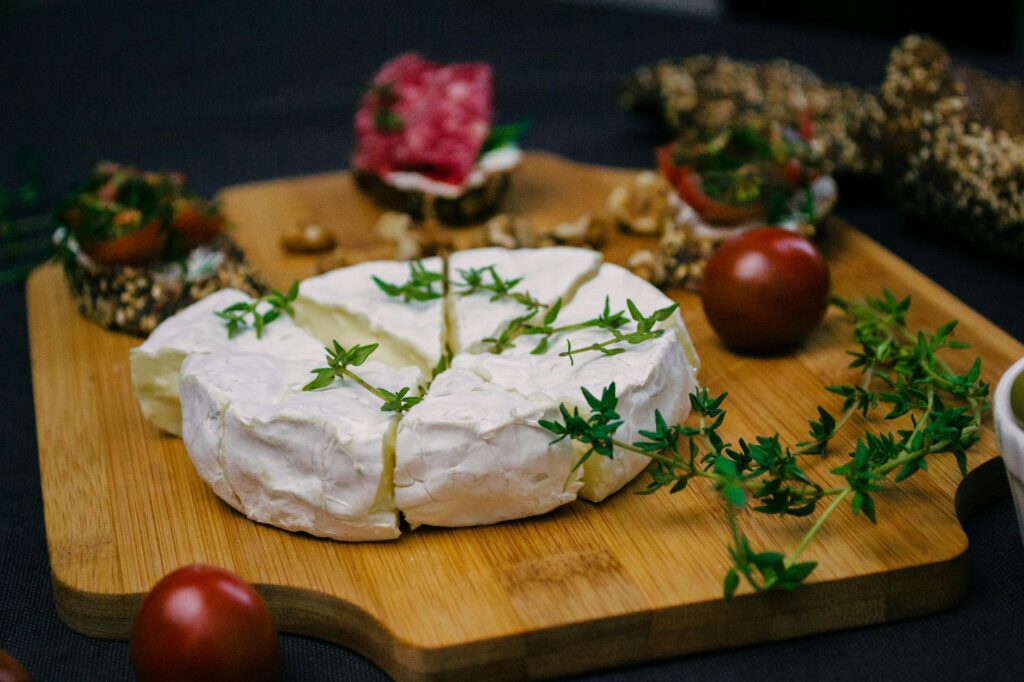
The History of Kefir Cheese
Introduction
Kefir cheese, a unique product derived from the fermentation of milk using kefir grains, combines the tangy, probiotic-rich qualities of kefir with the texture and characteristics of cheese. It has gained recognition not only for its distinctive flavor but also for its versatility in culinary applications. This article delves into the rich history, production methods, and cultural significance of kefir cheese, providing an in-depth understanding of this exceptional ingredient.
What Is Kefir Cheese?
Kefir cheese is a soft, creamy cheese made from the fermentation of milk with kefir grains, which are a symbiotic culture of bacteria and yeasts. This cheese is characterized by its smooth texture and tart flavor, which is reminiscent of its parent ingredient, kefir. Unlike traditional cheeses, kefir cheese is often lower in fat and offers a range of health benefits attributed to its probiotic content. It can be used in various culinary applications, including spreads, dips, and toppings, or enjoyed on its own.
History and Origins
The origins of kefir cheese can be traced back to the Caucasus Mountains, where the practice of fermenting milk has been a tradition for centuries. The word “kefir” is believed to derive from the Turkish word “keyif,” which means “pleasure.” It is said that the nomadic tribes of the region discovered the fermentation process accidentally, leading to the creation of a drink that was both nourishing and energizing.
Historically, kefir grains were passed down through generations, and the fermentation process was closely guarded by families. The grains are a unique combination of bacteria and yeast, and the specific strains present can vary by region, leading to diverse flavors and textures. As kefir gained popularity in Eastern Europe and the Middle East, it became synonymous with health and vitality, often touted for its digestive benefits.
Kefir cheese, as a product, began to evolve as cultures embraced the fermentation of milk not just as a drink but as a food product. By the 20th century, kefir cheese started to make its way into Western cuisine, where it was celebrated for its distinct taste and health benefits. Today, kefir cheese is enjoyed globally, with various regional adaptations and production methods.
Production and Processing
The production of kefir cheese begins with the fermentation of milk, which can come from cows, goats, or sheep. The process involves introducing kefir grains to the milk, allowing it to ferment at room temperature for 12 to 24 hours. During this time, the bacteria and yeast present in the grains convert the lactose in the milk into lactic acid, giving kefir its characteristic tangy flavor.
Once the fermentation is complete, the mixture is strained to separate the liquid whey from the curds. The curds are then processed into kefir cheese, which may be further seasoned or flavored, depending on regional preferences. The resulting cheese is typically soft and spreadable, with a mild, slightly sour taste.
Quality control is crucial in the production of kefir cheese. The milk used must be fresh and of high quality, and the fermentation process must be carefully monitored to ensure optimal flavor and texture. Artisan producers often emphasize traditional methods, allowing for greater variation in flavor profiles and textures.
Quality and Grading
Kefir cheese quality can vary significantly, influenced by factors such as the type of milk used, the fermentation time, and the specific strains of bacteria and yeast present. When assessing the quality of kefir cheese, consider the following criteria:
1. Texture: High-quality kefir cheese should be smooth and creamy, without excessive graininess or separation.
2. Flavor: A well-balanced kefir cheese will have a pleasant tartness, with no off-flavors or bitterness.
3. Color: The cheese should exhibit a white to off-white hue, indicating proper fermentation and processing.
4. Freshness: As with all dairy products, freshness is key. Look for a recent production date and a reasonable shelf life.
Grading systems for kefir cheese are not universally standardized, but many producers and retailers will provide information regarding their quality practices, including the sourcing of milk and fermentation techniques.
Buying Considerations
When purchasing kefir cheese, consider the following factors to ensure optimal quality and flavor:
1. Source: Look for brands that prioritize high-quality, organic, or grass-fed milk. Local artisanal producers often provide fresher and more flavorful options.
2. Ingredients: Check the ingredient list for any additives or preservatives. Ideally, kefir cheese should consist of just milk, kefir grains, and perhaps salt.
3. Packaging: Ensure that the packaging is intact and that the cheese is stored under appropriate refrigeration conditions.
4. Flavor Profiles: Some producers offer flavored varieties, such as herb-infused or spiced kefir cheese. If you are adventurous, these can add an exciting twist to your culinary creations.
Uses and Applications
Kefir cheese’s versatility makes it an excellent addition to a wide range of dishes. Here are some common uses:
- Spreads and Dips: Kefir cheese can be blended with herbs, garlic, or spices to create delicious spreads for bread or crackers.
- Salads: Its creamy texture makes kefir cheese a delightful addition to salads, adding a tangy element that complements fresh vegetables.
- Toppings: Use it as a topping for baked goods, such as flatbreads or pizzas, where its flavor can shine through.
- Culinary Pairings: Pair kefir cheese with fruits, nuts, or honey for a balanced snack or dessert.
- Culinary Base: Its unique flavor can serve as a base for sauces or dressings, enhancing dishes with a creamy, tangy profile.
- Kefir Cheese Is the Same as Cream Cheese: While both are creamy and spreadable, kefir cheese is fermented, giving it a distinct tangy flavor and probiotic content, unlike cream cheese.
- Kefir Cheese Is a New Trend: In reality, kefir cheese has ancient roots, with its origins dating back centuries, long before modern culinary trends emerged.
- All Kefir Cheese Is the Same: The flavor and texture of kefir cheese can vary significantly based on the type of milk used, the fermentation process, and regional practices. Each producer may offer a unique version of kefir cheese.
Storage and Shelf Life
Kefir cheese should be stored in the refrigerator to maintain its freshness and flavor. When properly refrigerated, it can last for about 1 to 3 weeks, depending on the specific production methods and packaging. Always check the expiration date and store it in an airtight container to preserve its quality.
Once opened, it’s advisable to consume kefir cheese within a week to enjoy its optimal flavor and texture. If you notice any signs of spoilage, such as an off smell or mold, it’s best to discard the product.
Common Misconceptions
Despite its growing popularity, several misconceptions persist regarding kefir cheese:
Frequently Asked Questions
1. What is the difference between kefir cheese and regular cheese?
Kefir cheese is made from fermented milk using kefir grains, resulting in a tangy flavor and probiotic content. In contrast, regular cheese is typically made from curdled milk and may not have the same fermentation process or health benefits.
2. Can kefir cheese be made at home?
Yes, kefir cheese can be made at home by fermenting milk with kefir grains and straining the curds from the whey. However, it’s important to follow proper fermentation and hygiene practices to ensure the best results.
3. Is kefir cheese lactose-free?
While kefir cheese is lower in lactose than regular cheese due to the fermentation process, it is not completely lactose-free. Individuals with lactose intolerance should exercise caution when consuming it.
4. How does kefir cheese compare to yogurt?
Kefir cheese is thicker and creamier than yogurt, with a more pronounced tangy flavor. Both are probiotic-rich, but kefir cheese usually contains a wider variety of beneficial bacteria and yeasts.
5. Can kefir cheese be frozen?
While it is possible to freeze kefir cheese, doing so may alter its texture and flavor. It’s best to consume it fresh for optimal taste.
6. What are the health benefits of kefir cheese?
Kefir cheese is rich in probiotics, which can aid digestion and promote gut health. It also provides essential nutrients like calcium and protein, making it a nutritious addition to a balanced diet.
Conclusion
Kefir cheese, with its rich history and unique production methods, offers a delightful culinary experience that transcends cultural boundaries. Understanding its origins, production, and diverse applications can enhance appreciation for this remarkable ingredient. As it continues to grow in popularity, kefir cheese stands as a testament to the power of fermentation, connecting us to centuries of culinary tradition while paving the way for innovative uses in modern cuisine.