
The History of Kefir Grains
Introduction
Kefir grains represent a remarkable symbiosis of bacteria and yeast, forming a unique fermentation culture that has captivated food enthusiasts and health advocates alike. Their rich history, rooted in the highlands of the Caucasus Mountains, showcases the cultural significance and nutritional benefits of this ancient ingredient. This article delves into the history, production, uses, and common misconceptions surrounding kefir grains, providing a comprehensive overview for those interested in this fascinating food ingredient.
What Is About?
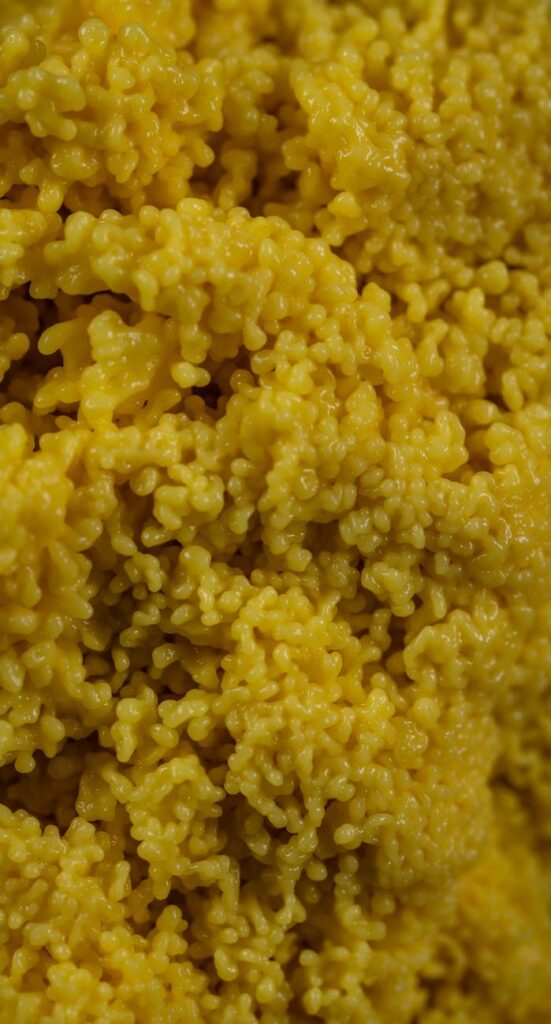
Kefir grains are not actual grains but small clusters of microorganisms that resemble tiny cauliflower florets. Composed of a complex matrix of proteins, lipids, and polysaccharides, these grains harbor a diverse community of bacteria and yeast that work together to ferment milk or other liquids. The resulting product is a tangy, effervescent beverage known as kefir, prized for its probiotic properties and distinctive flavor. Understanding the history of kefir grains offers insight into their importance in various cultures and their impact on contemporary food practices.
History and Origins
The origins of kefir grains can be traced back over a thousand years to the mountainous regions of the Caucasus, particularly among the nomadic tribes of this area. Historical accounts suggest that kefir was first discovered by accident, likely when milk was fermented in leather bags carried by herders. The natural environment, rich in diverse microbial life, provided the perfect conditions for fermentation, leading to the creation of kefir.
Kefir grains have been passed down through generations, often regarded as a family treasure. The Caucasian people believed that kefir grains were a gift from the gods, and they treated them with great reverence. Traditionally, these grains were not shared outside the family, as it was believed that doing so would diminish their potency. The grains were cultivated in cow, goat, or sheep milk, and the resulting kefir became a staple in the diet of the region.
In the early 20th century, interest in kefir began to spread beyond the Caucasus. Russian scientists and explorers, intrigued by its health benefits, conducted research on kefir and its fermentation properties. This led to kefir’s introduction to broader audiences in Europe and eventually the Americas. Today, kefir grains are celebrated worldwide, with a resurgence in popularity due to the growing interest in probiotics and fermented foods.
Production and Processing
The production of kefir grains involves a complex interplay between various microorganisms. The primary bacteria found in kefir grains include Lactobacillus, Leuconostoc, and Acetobacter, while yeasts such as Saccharomyces and Kluyveromyces are also present. Together, these microorganisms ferment lactose, the sugar found in milk, producing lactic acid, carbon dioxide, and alcohol.
To produce kefir, fresh milk is inoculated with kefir grains, typically at a ratio of 1 tablespoon of grains per cup of milk. The mixture is then allowed to ferment at room temperature for about 24 hours. During this time, the grains metabolize the lactose, resulting in a creamy, tangy beverage. Once fermentation is complete, the kefir is strained to remove the grains, which can be reused for subsequent batches.
The processing of kefir grains is relatively simple but requires careful attention to hygiene and temperature control. This ensures the preservation of the microbial community and the quality of the final product. The grains can be stored in milk or rehydrated when dried, allowing for long-term use.
Quality and Grading
The quality of kefir grains is crucial to the fermentation process and the final product’s flavor and health benefits. High-quality grains are plump, cohesive, and have a creamy, white appearance. They should not be discolored or smell off, as this can indicate contamination or insufficient microbial activity.
Grading kefir grains involves assessing their viability and activity levels. Factors such as the ratio of bacteria to yeast, the health of the grains, and their ability to ferment milk effectively play a role in this evaluation. Home fermenters and commercial producers alike should prioritize sourcing grains from reputable suppliers to ensure optimal quality.
Buying Considerations
When considering the purchase of kefir grains, several factors should be taken into account:
1. Source: Look for grains from reputable suppliers, ideally those with a history of positive customer feedback and transparency regarding their cultivation processes.
2. Type: Decide whether to purchase dairy or water kefir grains. While dairy grains ferment milk, water grains are used for plant-based beverages.
3. Condition: Ensure that the grains are fresh and active. Dried grains may require rehydration, which can take time and care.
4. Price: While kefir grains can be relatively inexpensive, be cautious of extremely low prices, as they may indicate compromised quality.
5. Instructions: Good suppliers will provide clear instructions on how to use and care for the grains, enhancing your fermentation experience.
6. Community and Support: Consider purchasing from sellers who offer support or community resources for troubleshooting and sharing experiences.
Uses and Applications
Kefir grains are primarily known for their role in producing kefir, but their applications extend beyond beverages. The fermented product can be used in various culinary contexts:
- Smoothies: Kefir can be blended into smoothies for added creaminess and probiotic benefits.
- Baking: The tangy flavor of kefir makes it an excellent substitute for buttermilk or yogurt in baked goods.
- Salad Dressings: Kefir can serve as a base for creamy dressings, adding a unique flavor profile.
- Marinades: The acidity of kefir can help tenderize meats, making it a flavorful component in marinades.
- Soups: Kefir can be incorporated into cold soups, providing a refreshing and nutritious element.
In addition to culinary uses,