
The History of Kefir Lime Leaves
Introduction
Kefir lime leaves, known as Citrus hystrix, are a staple in Southeast Asian cuisine, particularly in Thai and Indonesian dishes. Their unique aromatic profile and vibrant green color make them a sought-after ingredient for chefs and home cooks alike. Often hailed for their ability to elevate the flavor of various dishes, kefir lime leaves have a rich history rooted in traditional practices and cultural significance. This article delves into the history, production, quality, and applications of kefir lime leaves, offering a comprehensive understanding of this fascinating ingredient.
What Is About?
Kefir lime leaves are the glossy green leaves of the kaffir lime tree, which is a small tree native to the tropical regions of Southeast Asia. The leaves are characterized by their distinct double-leaf structure, which resembles a butterfly. They impart a unique floral scent and a citrusy flavor, making them a popular choice for flavoring curries, soups, and salads. Beyond their culinary uses, kefir lime leaves are also employed in traditional medicine and herbal remedies, showcasing their versatility and importance in various cultures.
History and Origins
The roots of the kefir lime tree can be traced back to Southeast Asia, with evidence suggesting its cultivation dates back several centuries. The tree is believed to have originated in the regions of Indonesia and Malaysia, gradually spreading to other parts of Asia and beyond. Historical texts and botanical studies indicate that the tree was not only valued for its culinary applications but also for its medicinal properties.
In Southeast Asian cultures, kefir lime leaves have been used in traditional dishes for hundreds of years. Their aromatic qualities have made them an integral part of Thai cuisine, where they are utilized in dishes like Tom Yum soup and green curry. The leaves are also significant in Indonesian cooking, often used in rendang and other rich, flavorful dishes.
Throughout history, the kefir lime tree has been associated with various cultural practices and beliefs. In some cultures, the leaves are believed to ward off negative energies and are used in rituals and ceremonies. This duality of culinary and spiritual significance highlights the deep-rooted connection between food and culture in Southeast Asia.
Production and Processing
Kefir lime trees thrive in tropical climates, requiring warm temperatures and well-drained soil to flourish. They are typically cultivated in home gardens and small-scale farms, where they can grow into small trees that reach heights of about 5-10 feet. The trees are relatively hardy and can withstand drought conditions but require regular pruning to maintain their shape and promote healthy leaf production.
The harvesting of kefir lime leaves usually occurs throughout the year, with peak seasons depending on regional climates. The leaves are picked by hand, ensuring that only the freshest and most vibrant leaves are selected. This meticulous process contributes to the overall quality of the leaves, which should be bright green, firm, and free from blemishes.
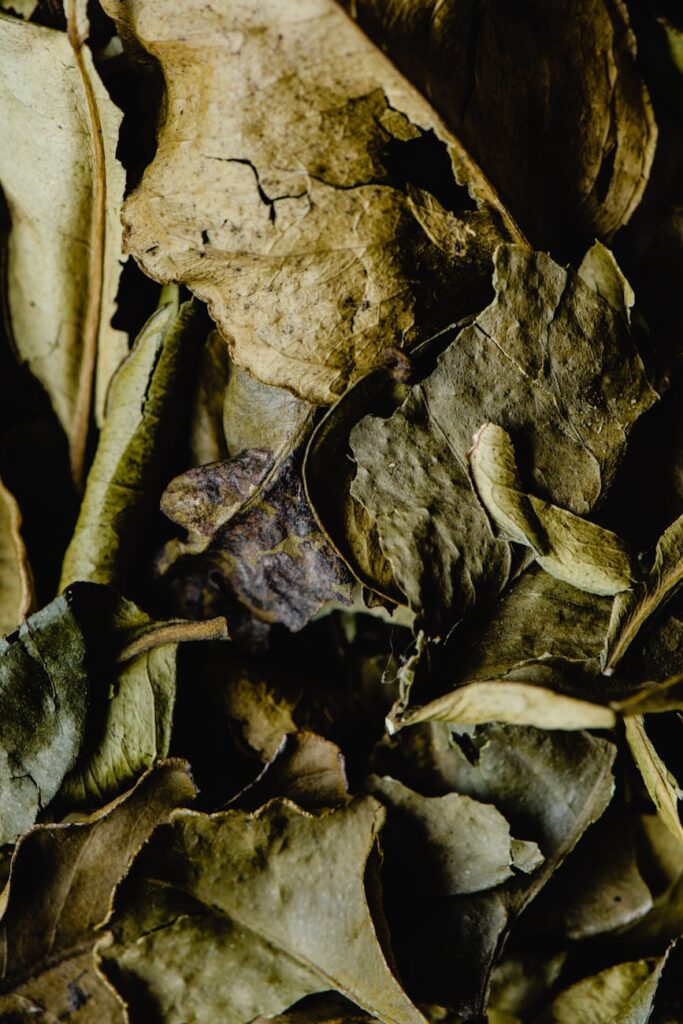
Once harvested, kefir lime leaves are often used fresh but can also be dried for preservation. Drying retains much of the flavor and aroma, although the fresh leaves are generally preferred for their vibrant taste. In commercial production, the leaves are often packaged in airtight containers to maintain freshness and prevent the loss of essential oils and flavors.
Quality and Grading
The quality of kefir lime leaves can significantly affect the flavor profile of the dishes in which they are used. Fresh leaves should exhibit a vibrant green color, a strong citrus aroma, and a supple texture. When purchasing kefir lime leaves, it is essential to consider factors such as freshness and origin.
Grading systems for kefir lime leaves may vary by region, but generally, higher-quality leaves are characterized by their aromatic intensity and visual appeal. Leaves that are wilted, discolored, or have blemishes are often considered inferior and may lack the robust flavor needed for culinary applications.
In some markets, kefir lime leaves are available in both fresh and dried forms. Fresh leaves are typically preferred for their superior flavor; however, high-quality dried leaves can still provide excellent aromatic qualities when used correctly. Understanding the grading system can help consumers make informed choices when purchasing this ingredient.
Buying Considerations
When looking to buy kefir lime leaves, there are several factors to consider to ensure you are selecting the best quality product. Here are some key points to keep in mind:
1. Source: If possible, purchase kefir lime leaves from local farmers’ markets or specialty grocery stores that specialize in Asian ingredients. This often ensures fresher produce.
2. Appearance: Select leaves that are vibrant green, firm, and free from any damage. Avoid wilted or yellowed leaves, as these may indicate age or poor quality.
3. Packaging: If purchasing dried leaves, choose products that are packaged in airtight containers to prevent exposure to air and moisture, which can degrade flavor.
4. Organic Options: Consider organic kefir lime leaves if available, as they are less likely to contain pesticides or chemical residues.
5. Quantity: If you are unsure about how many leaves to buy, start with a small quantity, especially if you are experimenting with this ingredient for the first time.
6. Availability: Depending on your location, kefir lime leaves may not be widely available. Look for online retailers that specialize in Asian culinary ingredients if local sources are limited.
Uses and Applications
Kefir lime leaves are a versatile ingredient widely used in various culinary applications. Their aromatic properties make them ideal for flavoring soups, curries, stir-fries, and marinades. Here are some common uses of kefir lime leaves:
1. Soups and Curries: The leaves are often added to soups and curries during the cooking process to infuse them with a citrusy aroma and flavor. Dishes like Tom Yum soup and Massaman curry are classic examples.
2. Marinades: Kefir lime leaves can be incorporated into marin