
The History of Kimchi
Introduction
Kimchi is more than just a staple in Korean cuisine; it is a cultural artifact, a symbol of resilience, and a testament to the ingenuity of preservation techniques. This traditional fermented dish, primarily made from seasoned vegetables, particularly napa cabbage and radishes, has a history that dates back thousands of years. Understanding kimchi involves delving into its origins, production methods, and the socio-cultural significance that has evolved over time.
What Is Kimchi?
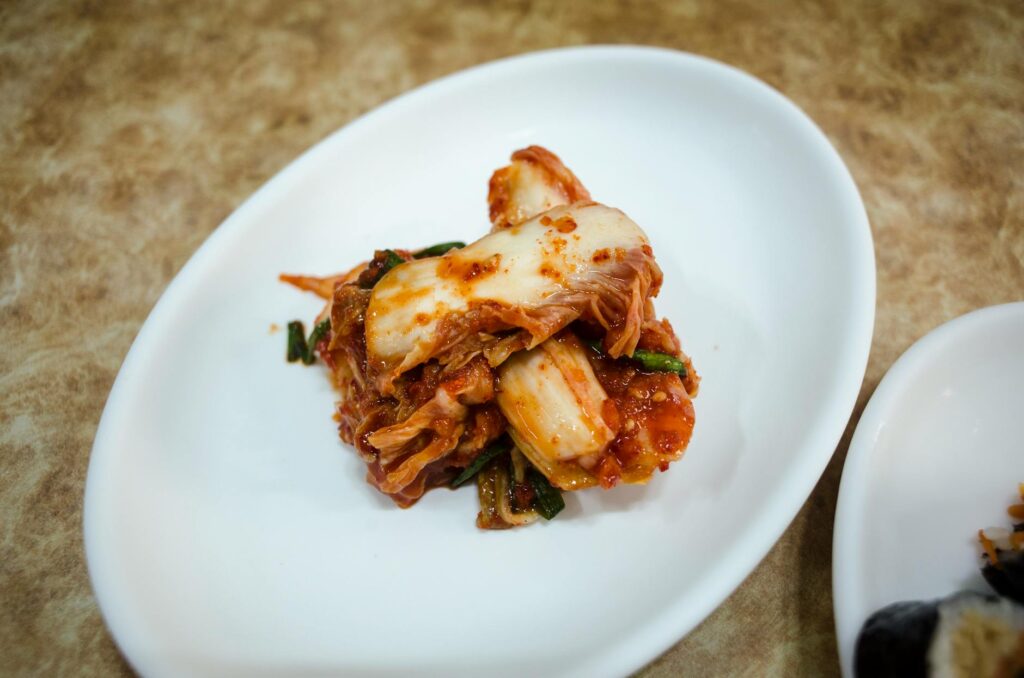
Kimchi is a traditional Korean side dish made by fermenting vegetables, mainly cabbage and radishes, with a variety of seasonings. The process involves salting the vegetables, allowing them to release moisture, and then mixing them with ingredients such as garlic, ginger, chili pepper, and fish sauce. The mixture is then packed tightly into jars or containers to ferment, resulting in a tangy, spicy, and umami-rich dish that is enjoyed around the world.
The variety of kimchi is vast, with countless regional and seasonal variations. While napa cabbage kimchi, known as “baechu kimchi,” is the most recognized form, there are many other types, including “kkakdugi” (cubed radish kimchi) and “oi sobagi” (cucumber kimchi), each with unique flavors and textures.
History and Origins
The origins of kimchi can be traced back to ancient Korea, with the earliest documented references appearing in historical texts from the Three Kingdoms period (57 BC – 668 AD). Initially, fermented vegetables were a method of preservation for food during the harsh winters, a necessity for survival. The earliest versions of kimchi were likely simple pickled vegetables, without the complex seasonings that characterize modern varieties.
The first significant transformation of kimchi occurred during the Goryeo Dynasty (918-1392). This era saw the introduction of spices such as chili peppers, which became a defining ingredient in kimchi after being introduced to Korea from the Americas in the late 16th century. This innovation not only enhanced the flavor profile of kimchi but also contributed to its widespread popularity.
With the rise of the Joseon Dynasty (1392-1910), kimchi further evolved, becoming more diverse in preparation methods and ingredients. The period is noted for the codification of kimchi-making traditions, with detailed recipes emerging that included various vegetables, seafood, and seasonings. The importance of kimchi in Korean culture became evident, as it was not just a dish but a central element in the daily diet and a symbol of national identity.
The industrialization of Korea in the late 19th and early 20th centuries brought about changes in kimchi production, introducing modern techniques and commercial production. Despite these changes, the essence of kimchi as a fermented food remained intact, and it continued to be a source of pride for Koreans.
Production and Processing
The production of kimchi involves several key steps, each contributing to the final flavor and texture of the dish.
1. Selection of Ingredients: The primary ingredient, napa cabbage, is typically harvested in the fall when it is at its peak. Other vegetables such as radishes, cucumbers, and scallions are also selected based on the type of kimchi being made.
2. Salting: The cabbage is cut, salted, and allowed to sit for a few hours. This step is crucial as it draws out moisture, creating a brine that helps in the fermentation process.
3. Seasoning: After salting, the cabbage is rinsed to remove excess salt and mixed with a paste made from garlic, ginger, chili powder, fish sauce, and other seasonings.
4. Packing: The seasoned vegetables are tightly packed into jars or containers to minimize air exposure. This step is essential to encourage anaerobic fermentation.
5. Fermentation: Kimchi is left to ferment at room temperature for a specific period, ranging from a few days to several weeks, depending on the desired flavor and texture. This fermentation process is responsible for the development of the characteristic tangy flavor of kimchi.
6. Storage: Once the kimchi reaches the desired taste, it is transferred to a cooler environment, typically a refrigerator, to slow down the fermentation process.
Throughout the production process, attention to hygiene and quality control is paramount to ensure the safety and longevity of the kimchi.
Quality and Grading
The quality of kimchi can be assessed based on several criteria: flavor, aroma, texture, and color. High-quality kimchi should have a balance of flavors, with a pleasant acidity and spiciness that complements the natural taste of the vegetables. The texture should be crisp, while the color should be vibrant and inviting.
In Korea, kimchi is often graded based on its ingredients and production methods. Traditional artisanal kimchi is highly valued, as it reflects the unique characteristics of the region where it is made and the techniques passed down through generations. Factors such as the type of vegetables used, the freshness of the ingredients, and the fermentation time can all influence the grade of kimchi.
Buying Considerations
When purchasing kimchi, several factors should be considered to ensure quality and authenticity:
1. Ingredients: Look for kimchi made with natural ingredients and minimal preservatives. Traditional recipes typically use fresh vegetables, salt, and spices without artificial additives.
2. Fermentation Date: Freshness is key in kimchi. Check the fermentation date on the packaging; fresher kimchi will have a crisper texture and a milder flavor.
3. Origin: Authentic Korean kimchi is usually preferred, as it adheres to traditional recipes and techniques. If possible, seek out brands that prioritize artisanal production methods.
4. Flavor Profile: Different types of kimchi offer varying levels of spiciness and flavor. If you are new to