
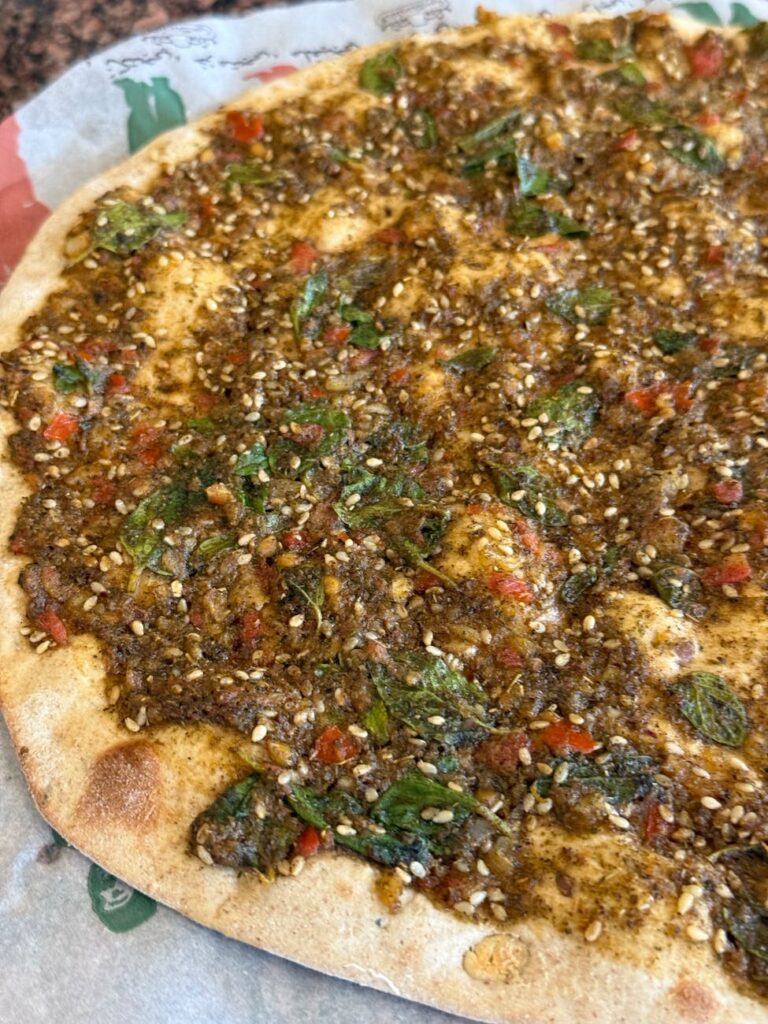
The History of Lebanese Bread
Introduction
Lebanese bread, also known as pita bread, is a staple in Lebanese cuisine and a significant part of the culinary traditions of the Middle East. Characterized by its soft, round shape and pocket-like structure, it serves as both a vessel for various dishes and a companion to flavorful dips and spreads. This article delves into the history, production, and cultural relevance of Lebanese bread, offering a comprehensive understanding of this beloved ingredient.
What Is Lebanese Bread?
Lebanese bread is a type of flatbread that is typically made from wheat flour, water, yeast, and salt. Its unique preparation process leads to the formation of a pocket during baking, making it ideal for stuffing with meats, vegetables, and various spreads. The bread is often enjoyed fresh but can also be toasted or grilled, enhancing its flavor and texture. While commonly associated with Lebanon, variations of this bread can be found throughout the Middle East and Mediterranean regions.
History and Origins
The history of Lebanese bread can be traced back thousands of years, with roots in ancient civilizations. Archaeological evidence suggests that flatbreads were being made as far back as 14,000 years ago in the region now known as the Fertile Crescent, which includes parts of modern-day Lebanon. This area is often referred to as the cradle of agriculture, where some of the earliest domesticated grains, such as wheat, were cultivated.
In ancient times, bread was not only a dietary staple but also held significant cultural and religious importance. In many Middle Eastern cultures, bread is considered a gift from God, symbolizing sustenance and community. The traditional method of making bread has been passed down through generations, with each region developing its unique techniques and flavors.
Lebanese bread, in particular, gained prominence during the Ottoman Empire, which ruled the region for centuries. The Ottomans influenced the culinary practices of Lebanon, leading to a fusion of flavors and techniques that shaped modern Lebanese cuisine. The bread became a central element of meals, often served with meze (appetizers) or used to scoop up stews and sauces.
Production and Processing
The production of Lebanese bread involves a relatively straightforward process, yet it requires skill and precision to achieve the perfect texture and flavor. The key ingredients—wheat flour, water, yeast, and salt—are combined to form a dough that is then allowed to rise.
1. Mixing and Kneading: The ingredients are mixed to create a pliable dough. Kneading is essential to develop gluten, which provides the bread with its structure and chewiness.
2. Fermentation: After kneading, the dough is left to ferment, allowing the yeast to produce carbon dioxide. This step is crucial for creating the bread’s characteristic pockets.
3. Shaping: Once the dough has risen, it is divided into small balls and rolled out into flat discs. The thickness of the dough is important; too thick, and the bread will not puff up correctly, too thin, and it may not hold its shape.
4. Baking: The bread is traditionally baked in a clay oven, known as a taboon. High temperatures ensure that the bread puffs up quickly, forming its signature pocket. In modern times, commercial ovens are also used, but the traditional method remains cherished for its authentic flavor.
5. Cooling: Once baked, the bread is removed from the oven and allowed to cool slightly before being wrapped or stored. This step prevents the bread from becoming hard.
Quality and Grading
The quality of Lebanese bread can vary significantly based on ingredients, production methods, and regional traditions. Authentic Lebanese bread is typically made from high-quality wheat flour, which contributes to its flavor and texture.
When evaluating the quality of Lebanese bread, several factors should be considered:
- Texture: The bread should be soft and pliable, with a slightly chewy consistency. A well-made Lebanese bread will have a uniform thickness and a nice puff when baked.
- Flavor: The taste should be mildly nutty, with a hint of sweetness from the fermentation process. Freshly baked bread will have a pleasant aroma.
- Appearance: Authentic Lebanese bread is typically round, with a slightly browned surface. It should not have large bubbles or an uneven texture.
- Freshness: The best Lebanese bread is consumed fresh, ideally within a few hours of baking. Stale bread will lose its desirable qualities.
- As a Wrap: It can be stuffed with grilled meats, vegetables, or falafel, making it a convenient option for meals on the go.
- With Dips: Lebanese bread pairs beautifully with dips like hummus, baba ghanoush, and tzatziki, serving as a vehicle to scoop up these flavorful spreads.
- In Salads: Torn pieces of Lebanese bread can be added to salads
Buying Considerations
When purchasing Lebanese bread, several factors should be taken into account to ensure you are getting a high-quality product:
1. Source: Look for bread made by local bakeries or artisanal producers that specialize in traditional methods. These breads are often fresher and more authentic.
2. Ingredients: Check the ingredient list for whole wheat flour or similar high-quality flours without unnecessary additives or preservatives.
3. Storage: If purchasing pre-packaged bread, check for packaging dates to ensure freshness. Look for breads that are vacuum-sealed or packaged with minimal air exposure.
4. Texture Test: If possible, feel the bread before buying. It should be soft and pliable, not hard or overly dry.
5. Cultural Authenticity: Consider brands or products that highlight their Lebanese heritage, as these are more likely to adhere to traditional baking methods.
Uses and Applications
Lebanese bread is versatile and can be used in a variety of culinary applications: