
The History of Lemongrass
Introduction
Lemongrass, known for its vibrant flavor and aromatic qualities, has captivated culinary enthusiasts and herbalists alike for centuries. This versatile ingredient is not merely a culinary staple; it carries a rich history and cultural significance that spans continents. Its refreshing citrus notes enhance a variety of dishes and beverages, making it a prized herb in many global cuisines. This article delves into the history of lemongrass, tracing its origins, production, and uses, while also addressing common misconceptions and practical considerations for purchasing and storing this remarkable ingredient.
What Is Lemongrass?
Lemongrass, scientifically referred to as Cymbopogon citratus, is a tropical plant belonging to the Poaceae family. This grass-like herb is characterized by its tall, slender stalks and vibrant green leaves, which emit a lemony fragrance when crushed. While there are several species of lemongrass, the most commonly used varieties in culinary applications are West Indian lemongrass and East Indian lemongrass. Beyond its aromatic profile, lemongrass is known for its culinary versatility, being used in everything from soups and curries to teas and cocktails.
History and Origins
The history of lemongrass can be traced back to Southeast Asia, where it is believed to have originated thousands of years ago. Ancient records suggest that lemongrass was used not only as a culinary ingredient but also in traditional medicine and rituals. The herb was embraced by various cultures, from the Thai and Vietnamese to Indian and Sri Lankan, each incorporating lemongrass into their culinary practices in unique ways.
As trade routes expanded, lemongrass found its way to other parts of Asia, Africa, and eventually the Americas. Portuguese explorers, in particular, were instrumental in introducing lemongrass to Europe during the Age of Exploration. By the 19th century, it was cultivated in many tropical regions around the world, including the Caribbean and South America, where it adapted well to various climates.
In modern times, lemongrass has gained popularity in Western cuisines and is now considered a global ingredient. Its appeal lies not only in its flavor but also in its aroma and potential culinary uses, making it a sought-after herb in gourmet cooking.
Production and Processing
Lemongrass thrives in warm, humid climates, which is why it is predominantly cultivated in tropical regions such as Thailand, India, and Indonesia. The plant requires well-drained soil and ample sunlight to grow effectively. Farmers often propagate lemongrass from seeds or by dividing mature plants, allowing for a sustainable cultivation process.
Once harvested, lemongrass undergoes minimal processing to retain its fresh flavor and aromatic properties. The stalks are typically trimmed and can be sold fresh, dried, or powdered. Fresh lemongrass is often found in grocery stores, while dried and powdered forms are commonly used in spice blends and tea bags. The drying process is crucial, as it concentrates the herb’s flavors and extends its shelf life.
In recent years, the demand for organic lemongrass has increased, leading to a rise in sustainable farming practices. This focus on organic production not only benefits the environment but also enhances the quality of the final product, providing consumers with a fresher and more flavorful ingredient.
Quality and Grading
The quality of lemongrass is determined by several factors, including freshness, aroma, and appearance. Fresh lemongrass should have a vibrant green color and firm stalks, while dried lemongrass should retain its aromatic scent and have a slightly yellowish hue. When purchasing, it is essential to look for products that are free from blemishes, mold, or discoloration, as these can indicate spoilage.
In terms of grading, lemongrass is often categorized based on its form. Fresh lemongrass is typically sold as whole stalks, while dried versions may come in the form of flakes or powder. High-quality dried lemongrass should have a strong citrus fragrance and a potent flavor profile, indicating that it has been properly harvested and processed.
For culinary professionals and home cooks alike, understanding the quality indicators of lemongrass is crucial for achieving the best flavor in dishes. Selecting high-quality lemongrass can make a significant difference in the overall taste and aroma of a meal.
Buying Considerations
When purchasing lemongrass, consumers should consider several important factors to ensure they are selecting the best product. Fresh lemongrass is typically available in Asian grocery stores and some supermarkets, often found in the produce section. When buying fresh, look for stalks that are firm and free of brown spots or wilting. The aroma should be strong and lemony, a clear indication of freshness.
For dried lemongrass, it is advisable to buy from reputable brands or specialty spice shops. Packaging should be intact, and the product should have a strong citrus scent. If possible, check for a harvest or expiration date to ensure that the product is recent.
Additionally, consider the intended use of the lemongrass. Fresh lemongrass is ideal for infusing liquids or for use in dishes where its texture can be appreciated, while dried lemongrass is suitable for seasoning and flavoring dishes. Understanding these differences can help in making the right purchasing decision.
Uses and Applications
Lemongrass is incredibly versatile and can be used in a multitude of culinary applications. In Southeast Asian cuisine, it is a fundamental ingredient in dishes such as Thai curries, Vietnamese pho, and Malaysian laksa. Its bright flavor enhances soups, stews, marinades, and sauces, adding depth and complexity.
In addition to savory dishes, lemongrass is also used in beverages. It is a popular ingredient in herbal teas and can be infused into cocktails for a refreshing twist. The herb’s essential oils are often extracted for use in aromatherapy and skincare products, leveraging its pleasant aroma and potential benefits.
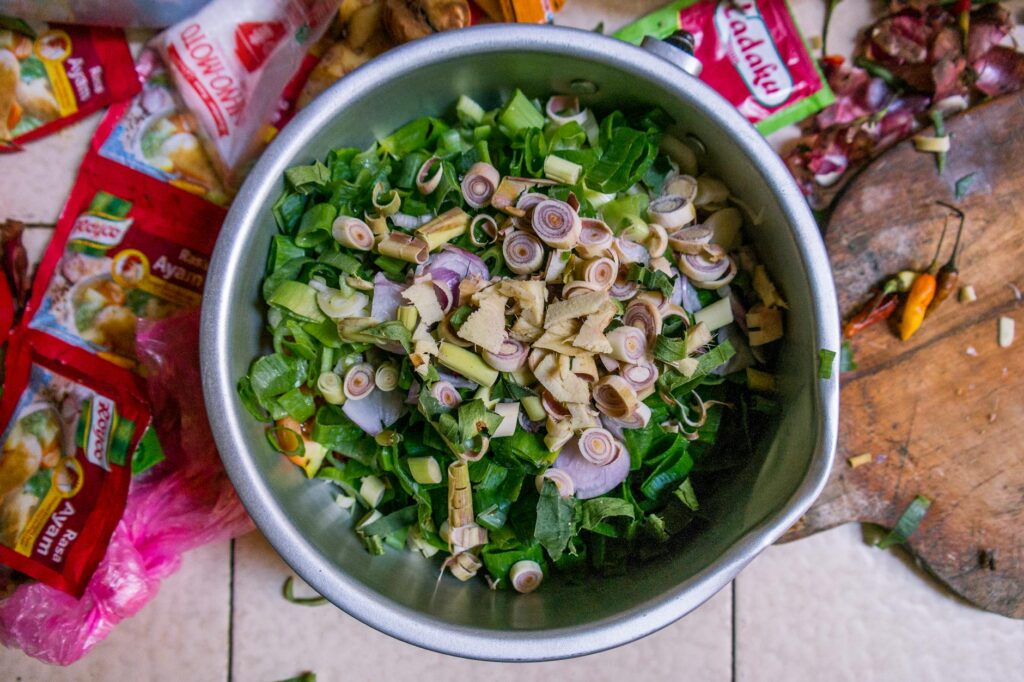
Lemongrass can be used in both whole and minced forms, depending on the dish and cooking method. For instance, whole stalks can be bruised and added to soups for flavor, while minced lemongrass is ideal for marinades and sauces. Its adaptability makes it a cherished ingredient in both home kitchens and professional culinary settings.
Storage and Shelf Life
Proper storage of lemongrass is essential to maintain its freshness and flavor. Fresh lemongrass can be stored in the refrigerator, ideally wrapped in a damp paper towel and placed in a plastic bag to retain moisture. Under these conditions, it can last up to two weeks.
Dried lemongrass should be kept in a cool, dark place in an airtight container to prevent exposure to light and moisture. When stored correctly, dried lemongrass can retain its flavor for several months, although its potency may diminish over time. It is important to check for any signs of spoilage, such as an off odor or loss of aroma, before use.
For those looking to extend the shelf life of fresh lemongrass, freezing is an option. The stalks can be cut into smaller pieces and stored in freezer-safe bags, allowing for easy use in future dishes while preserving their flavor.
Common Misconceptions
One of the most common misconceptions about lemongrass is that it is the same as lemon balm or lemon verbena. While all three are aromatic herbs with citrus flavors, they belong to different plant families and have distinct characteristics. Lemongrass is a grass, while lemon balm and lemon verbena are herbs.
Another misconception is that lemongrass is only used in Asian cuisines. While it is a key ingredient in many Southeast Asian dishes, its use has expanded globally, finding a place in various culinary traditions, including Caribbean and Mediterranean cuisines.
Additionally, some people believe that all forms of lemongrass are interchangeable. While fresh, dried, and powdered lemongrass can be used in cooking, they each have their specific applications and flavor profiles, making it important to choose the right form for the intended dish.
Frequently Asked Questions
1. What does lemongrass taste like?
Lemongrass has a distinct citrus flavor with earthy undertones. Its bright and refreshing profile makes it a popular addition to many dishes and beverages.
2. Can I use dried lemongrass instead of fresh?
Yes, dried lemongrass can be used as a substitute for fresh, but it is more concentrated. Generally, one tablespoon of fresh lemongrass is equivalent to about one teaspoon of dried lemongrass.
3. Is lemongrass safe to consume?
Yes, lemongrass is generally considered safe for culinary use. However, individuals with specific allergies or sensitivities should exercise caution and consult with a professional if needed.
4. How do I prepare fresh lemongrass?
To prepare fresh lemongrass, trim the tough outer leaves and cut the stalk into smaller pieces. Bruise the stalks with a knife or mortar and pestle to release the essential oils and flavor.
5. Where can I buy lemongrass?
Lemongrass is commonly available in Asian grocery stores, some supermarkets, and online retailers. Fresh, dried, and powdered forms can all be found at these locations.
6. Can lemongrass be grown at home?
Yes, lemongrass can be grown at home in pots or gardens, provided it receives adequate sunlight and warmth. It is a relatively low-maintenance plant that can thrive in tropical and subtropical climates.
In conclusion, the history of lemongrass is as rich and diverse as its applications in the culinary world. From its ancient roots in Southeast Asia to its modern-day popularity across the globe, lemongrass continues to be a cherished ingredient that enhances the flavors and aromas of countless dishes. Understanding its origins, uses, and proper handling can elevate your culinary experiences and deepen your appreciation for this remarkable herb.