
The History of Miso Butter
Introduction
Miso butter is an innovative and flavorful fusion ingredient that combines the rich umami profile of miso with the creamy texture of butter. This unique blend has roots in traditional Japanese cuisine while also reflecting a modern culinary trend that embraces cross-cultural experimentation. In this article, we will explore the history and origins of miso butter, its production and processing, quality considerations, applications in cooking, and common misconceptions surrounding this ingredient.
What Is Miso Butter?
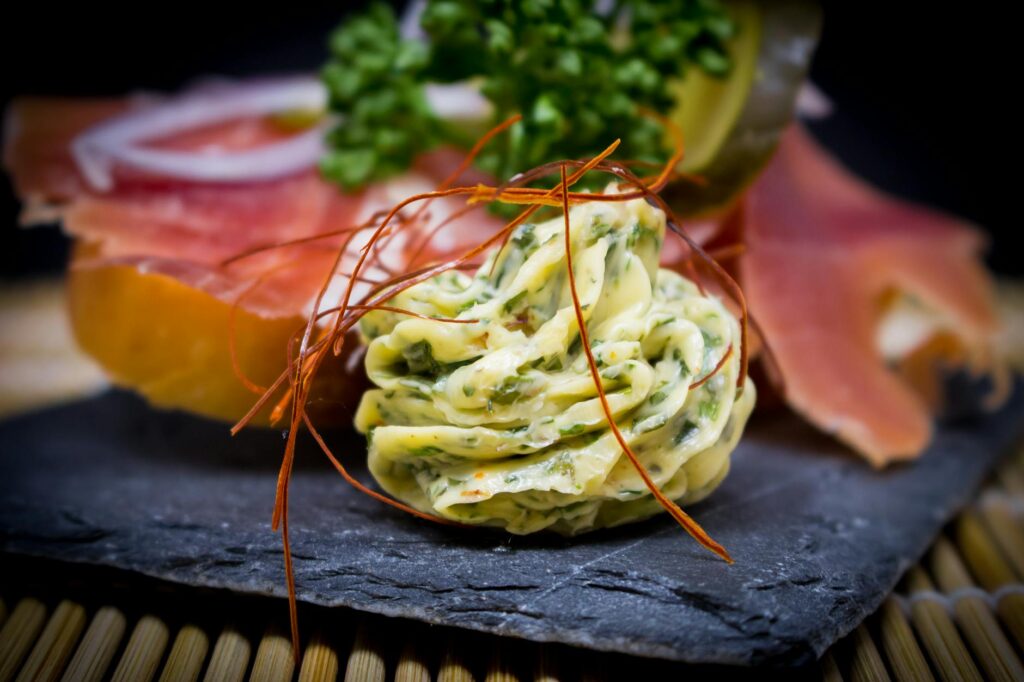
Miso butter is a condiment crafted by blending miso paste — a traditional Japanese fermented soybean product — with butter. Miso itself is made from soybeans, salt, and a fermenting agent called koji, which is a type of mold. The resulting paste possesses a complex flavor profile ranging from sweet and nutty to salty and savory, depending on the type of miso used. When combined with butter, miso enhances the richness of the fat while adding depth and character. This versatile ingredient can be used in a variety of culinary applications, from enhancing sauces and spreads to serving as a flavoring agent for grilled meats and vegetables.
History and Origins
The origins of miso can be traced back over a thousand years to ancient China, where fermented soybean paste was used as a seasoning. It made its way to Japan around the 7th century, where it was adapted and became an integral part of Japanese cuisine. The traditional methods of making miso involve fermenting soybeans with salt and koji mold for extended periods, resulting in a variety of miso types, including white, red, and mixed miso, each with distinct flavors and characteristics.
The concept of blending miso with butter is a more contemporary development, influenced by the globalization of food culture and the increasing popularity of fusion cuisine. The first recorded instances of miso butter appeared in the late 20th century, primarily in upscale restaurants that sought to incorporate traditional Japanese flavors into Western dishes. Its popularity has since grown, finding a place in both gourmet kitchens and home cooking.
Production and Processing
Creating miso butter involves a straightforward process that can be replicated on both small and large scales. The primary ingredients used are high-quality unsalted butter and miso paste.
1. Selection of Ingredients: The choice of miso significantly impacts the final flavor of the butter. White miso (shiro miso) offers a milder, sweeter taste, while red miso (aka miso) provides a stronger, saltier profile.
2. Blending: The butter is typically softened to room temperature to allow for easier blending. It is combined with miso paste in a mixing bowl or food processor, achieving a smooth and creamy consistency. The ratio of miso to butter can vary based on personal preference and desired flavor intensity.
3. Flavor Enhancements: Some producers might incorporate additional ingredients like garlic, herbs, or spices to further enhance the flavor profile, though traditional miso butter remains a simple mixture of the two primary components.
4. Packaging: Once blended, miso butter is typically portioned into containers for storage and sale. It may be refrigerated or frozen to maintain freshness and quality.
Quality and Grading
The quality of miso butter can be assessed based on several factors, including the types of miso used, the quality of the butter, and the production methods employed. When selecting miso butter, consider the following:
- Type of Miso: Authentic miso butter should list its miso type clearly. High-quality, organic miso will yield better flavor and health benefits.
- Butter Quality: Unsalted butter is preferred for its ability to allow the miso flavor to shine through without overpowering saltiness.
- Texture and Consistency: A well-made miso butter should be smooth and spreadable, without any graininess from poorly blended miso.
- Preservatives: Many artisanal brands avoid artificial preservatives, opting instead for natural methods of preservation like refrigeration or freezing.
- Source: Look for brands that source high-quality, organic ingredients. Local artisans or specialty grocery stores often produce superior products compared to mass-market brands.
- Flavor Profile: Different brands may offer variations in flavor based on their choice of miso. Taste testing may be necessary to find a preferred brand.
- Packaging: Ensure that the product is well-sealed and stored in a refrigerated environment to maintain freshness.
- Allergens: Always check the ingredient list for potential allergens, especially for individuals with soy or dairy sensitivities.
- Spreads: It serves as a unique spread for bread, crackers, or toast, offering a flavorful alternative to traditional butter.
- Sauces and Dressings: Miso butter can enhance the flavor of sauces, emulsions, and dressings, adding depth to both hot and cold dishes.
- Cooking: Use miso butter to sauté vegetables, baste proteins, or finish cooked grains for an added umami kick.
- Grilling: A dollop of miso butter can elevate grilled meats and fish, providing a delicious glaze that caramelizes beautifully.
- Baking: Miso butter can be used in baked goods, imparting a subtle umami flavor that complements sweet and savory flavors alike.
- Refrigeration: Miso butter should be stored in the refrigerator to prolong its shelf life. It is best consumed within a few weeks of opening.
- Freezing: For longer-term storage, miso butter can be frozen. Portioning it into smaller containers or ice cube trays allows for easy access.
- Signs of Spoilage: If miso butter develops an off smell, discoloration, or mold, it should be discarded, as these are signs of spoilage.
Buying Considerations
When purchasing miso butter, consumers should consider the following:
Uses and Applications
Miso butter is incredibly versatile and can be utilized in various culinary applications:
Storage and Shelf Life
To maintain the quality of miso butter, proper storage is essential:
Common Misconceptions
1. Miso Butter is Unhealthy
While miso butter contains fats, the key is moderation. Miso itself offers beneficial probiotics, and when used thoughtfully, miso butter can enhance dishes without overwhelming them with unhealthy fats.
2. All Miso Butter is the Same
Not all miso butter is created equal. The quality of the miso and butter used can greatly affect flavor and texture. Consumers should seek out high-quality products for the best experience.
3. Miso Butter is Only for Asian Dishes
While miso butter has roots in Japanese cuisine, it is a versatile ingredient that can be integrated into various culinary traditions, from Italian to American.
4. Miso Butter is Difficult to Make
Miso butter is easy to make at home, requiring only two main ingredients. It can be customized to suit personal taste preferences as well.
5. Miso Butter Contains Gluten
Traditional miso is made from soybeans and does not contain gluten. However, some commercial miso varieties may use grains that contain gluten, so it’s essential to read labels for gluten-free options.
6. Miso Butter Must be Used Immediately
While miso butter is best enjoyed fresh, it can be stored for extended periods if properly refrigerated or frozen, making it a convenient pantry staple.
Frequently Asked Questions
1. Can I use any type of miso in miso butter?
Yes, you can use any type of miso, but the flavor profile will vary. White miso offers a milder taste, while red miso is stronger and saltier.
2. Is miso butter vegan?
Traditional miso butter contains dairy, making it unsuitable for vegans. However, there are vegan alternatives that use plant-based butters.
3. How do I incorporate miso butter into my cooking?
Miso butter can be used in a variety of ways, including as a spread, in sauces, or for sautéing vegetables and proteins.
4. Can I make miso butter without a food processor?
Yes, you can mix miso and butter by hand using a whisk or spatula, though a food processor may yield a smoother texture.
5. What are some popular pairings with miso butter?
Miso butter pairs well with grilled meats, roasted vegetables, seafood, and even baked goods like bread and pastries.
6. How long does homemade miso butter last?
Homemade miso butter can last for about 2-3 weeks in the refrigerator or up to six months in the freezer if stored properly.
Conclusion
Miso butter is a remarkable ingredient that reflects the rich culinary history of miso while embracing the creativity of modern cuisine. With its unique flavor profile and versatility, it has earned a place in kitchens around the world. By understanding its origins, production, and applications, culinary enthusiasts can fully appreciate and utilize this delightful fusion ingredient in their cooking endeavors.