
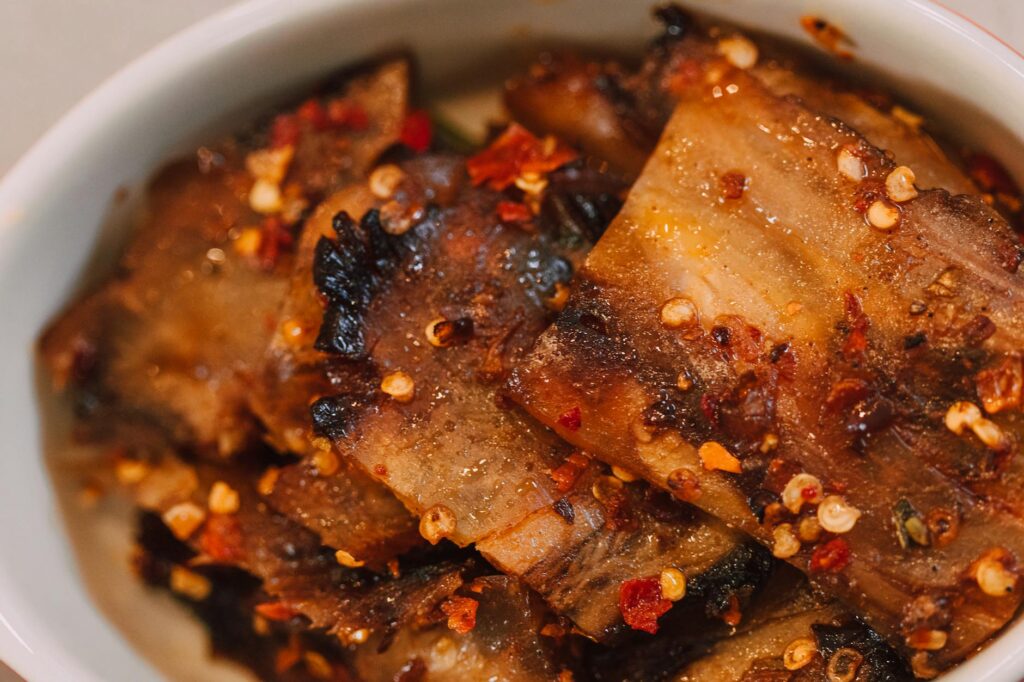
The History of Miso Marinated Eggplant
Introduction
Miso marinated eggplant, known as “Nasu Miso” in Japanese cuisine, is a delectable dish that embodies the rich culinary traditions of Japan. This dish marries the umami flavors of miso with the tender, succulent texture of eggplant, creating a harmonious balance of taste and nutrition. While its flavor profile is widely appreciated today, the history and cultural significance of miso marinated eggplant are often overlooked. This article delves into the rich tapestry of its origins, production methods, and applications, providing a comprehensive understanding of this delightful dish.
What Is Miso Marinated Eggplant?
Miso marinated eggplant is a dish primarily made with eggplant that has been marinated in miso paste, a fermented soybean product integral to Japanese cuisine. The eggplant absorbs the flavors of the miso, enhancing its natural sweetness while contributing to a complex umami taste. The preparation can vary, but it often involves grilling or sautéing the marinated eggplant to achieve a tender, caramelized exterior.
Miso itself is a staple in Japanese cooking, available in various types, including white (shiro), red (aka), and mixed (awase) miso. Each type offers distinct flavor profiles, allowing chefs to customize the dish according to personal preference.
History and Origins
The origins of miso date back over a thousand years to China, where it was initially created as a form of preserved food. As Buddhist monks traveled to Japan, they brought with them the techniques of fermentation, which led to the introduction of miso into Japanese culinary practices. By the 7th century, miso had become a staple in Japanese kitchens, evolving into various regional varieties.
The use of eggplant in Japanese cuisine can be traced back to the 8th century, when it was introduced from India via China. Over time, eggplant became a popular vegetable in Japan, particularly during the Edo period (1603-1868), where it was often featured in seasonal dishes. The combination of miso and eggplant likely emerged as a natural pairing, given the umami-rich characteristics of both ingredients.
The dish as we know it today gained prominence in the 20th century as traditional Japanese cuisine underwent a renaissance, with chefs and home cooks alike exploring the depths of miso’s versatility. Miso marinated eggplant reflects not only the ingenuity of Japanese culinary tradition but also the cultural significance of fermentation in Japanese food practices.
Production and Processing
The process of creating miso marinated eggplant begins with the careful selection of both the miso and the eggplant. Miso production involves fermenting soybeans with salt and a mold called koji. This fermentation process can take anywhere from a few months to several years, depending on the desired flavor intensity. The quality of miso is influenced by the ingredients used, the fermentation time, and the specific techniques employed by the producer.
Eggplant, on the other hand, is typically harvested during the warm months of summer and early fall. Farmers select varieties that are known for their rich flavor and tender texture, such as the Japanese eggplant, which is slender and less bitter than its Western counterparts.
To prepare miso marinated eggplant, the eggplant is often sliced and salted to draw out excess moisture and bitterness. Once prepared, it is marinated in a mixture of miso paste, sugar, and sometimes other flavor enhancers like sake or mirin. This marination process allows the eggplant to absorb the flavors of the miso, creating a robustly flavored dish.
After marination, the eggplant can be grilled, sautéed, or even served raw, depending on the desired texture and presentation. The method of cooking can significantly affect the final taste, with grilling imparting a smoky flavor that complements the umami of the miso.
Quality and Grading
The quality of miso marinated eggplant is largely influenced by the quality of the ingredients used. High-quality miso should have a rich, complex flavor with a balance of sweetness and saltiness. When purchasing miso, it is essential to consider the type—white miso tends to be sweeter and milder, while red miso is more robust and salty.
Eggplants should be firm, with smooth skin free of blemishes. The best eggplants for this dish are those that are fresh and locally sourced, as they provide superior flavor and texture.
In the culinary world, miso marinated eggplant is often graded based on visual appeal, flavor profile, and texture. A well-prepared dish will have a glossy appearance, a well-balanced savory-sweet flavor, and a tender yet firm texture.
Buying Considerations
When purchasing miso marinated eggplant, consumers should consider several factors to ensure they are selecting the best product. First, check the ingredient list; high-quality products will typically have minimal preservatives and artificial ingredients. Opt for organic or locally sourced miso and eggplant when possible, as these options often boast better flavor and nutritional content.
If purchasing pre-marinated eggplant, look for brands that emphasize traditional fermentation methods. This often indicates a higher quality product. Additionally, consider the type of miso used in the marinade, as this will greatly affect the overall taste of the dish.
For those interested in making miso marinated eggplant at home, purchasing fresh, seasonal eggplant and artisanal miso can elevate the dish significantly.
Uses and Applications
Miso marinated eggplant can be enjoyed in various culinary contexts. It is often served as a side dish in traditional Japanese meals, providing a flavorful complement to rice and protein-based dishes. Due to its rich umami profile, it can also work well as an appetizer or a vegetarian main course.
In contemporary cuisine, chefs often incorporate miso marinated eggplant into fusion dishes, pairing it with elements from other culinary traditions. For example, it can be used in tacos, salads, or grain bowls, showcasing its versatility beyond traditional Japanese fare.
This dish can also be used as a topping for sushi rolls or as an ingredient in savory pancakes. The adaptability of miso marinated eggplant makes it a favorite among chefs and home cooks alike.
Storage and Shelf Life
Proper storage is crucial to maintaining the quality of miso marinated eggplant. When stored in an airtight container in the refrigerator, it can typically last for up to one week. The flavors may deepen and evolve over time, enhancing the dish’s complexity.
For longer storage, consider freezing the marinated eggplant. While freezing may alter the texture slightly, it can preserve the flavor for several months. When ready to use, simply thaw the eggplant in the refrigerator and cook as desired.
It is important to monitor the marinated eggplant for any signs of spoilage, such as off-odors or discoloration, especially if it has been stored for an extended period.
Common Misconceptions
One common misconception about miso marinated eggplant is that it is exclusively a Japanese dish. While it is rooted in Japanese culinary tradition, variations exist in other cultures that utilize similar fermentation techniques and ingredients.
Another misconception is that all miso is the same. In reality, miso comes in various types, each with unique flavor profiles, textures, and uses. Understanding these differences is key to mastering the art of miso marinated eggplant.
Additionally, some people believe that miso is overly salty. While miso does contain salt, its complex flavors contribute to a savory taste that can enhance dishes without overwhelming them.
Frequently Asked Questions
1. What type of miso is best for marinating eggplant?
White miso is often preferred for its milder, sweeter flavor. However, red miso can also be used for a bolder taste. The choice depends on personal preference and the desired flavor profile.
2. Can I use other vegetables instead of eggplant?
Yes, various vegetables can be marinated in miso, including zucchini, mushrooms, and bell peppers. Each will impart a unique flavor and texture.
3. Is miso marinated eggplant vegan?
Yes, miso marinated eggplant is typically vegan, as it is made with plant-based ingredients. However, always check the specific brand of miso for any animal-derived additives.
4. How do I know if my miso is still good?
Miso can last for a long time when stored properly. It should have a pleasant smell and a consistent texture. If it develops an off-odor or unusual color, it’s best to discard it.
5. Can I make miso marinated eggplant in advance?
Yes, marinated eggplant can be prepared in advance and stored in the refrigerator for up to a week. The flavors will continue to develop over time.
6. How can I enhance the flavor of miso marinated eggplant?
Consider adding ingredients like garlic, ginger, or sesame oil to the marinade for added depth. Experimenting with different types of miso can also yield exciting flavor combinations.
Conclusion
Miso marinated eggplant is more than just a dish; it is a representation of the cultural and historical significance of fermentation in Japanese cuisine. Its rich flavors and versatile applications have made it a beloved staple in both traditional and contemporary culinary practices. Understanding its origins, production methods, and uses can deepen one’s appreciation for this remarkable ingredient, inviting creativity in the kitchen and celebrating the rich tapestry of global culinary traditions.