
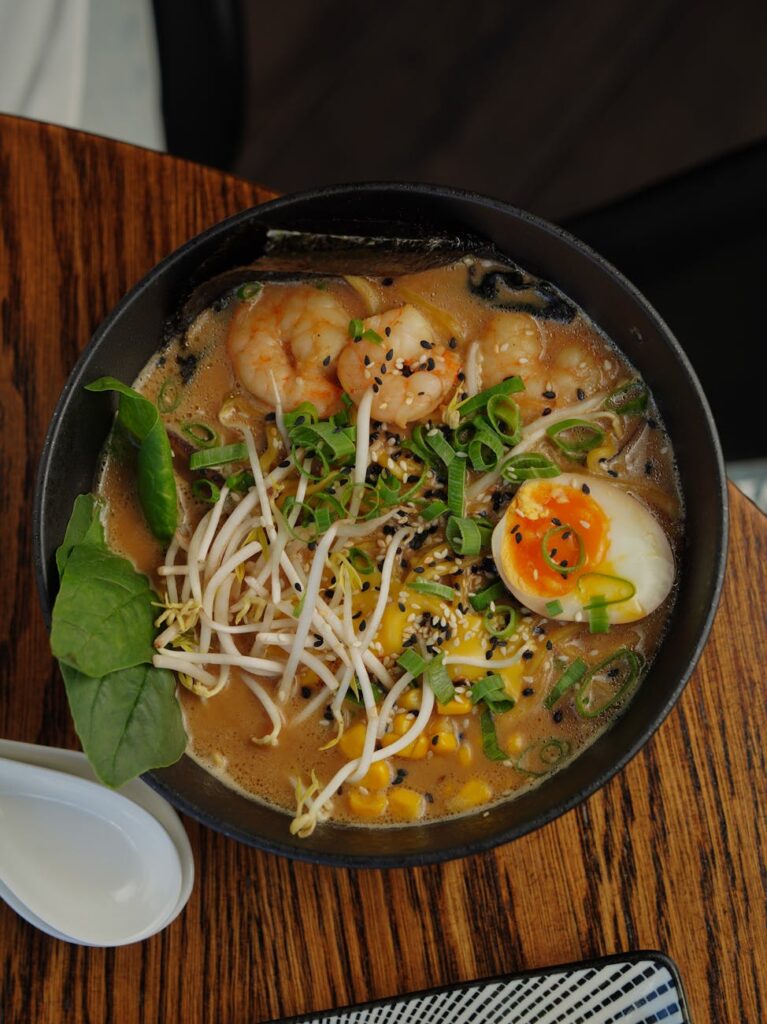
The History of Miso Ramen Noodles
Introduction
Miso ramen noodles have captivated the palates of food enthusiasts around the globe, blending the rich umami flavors of miso with the comforting texture of noodles. As a staple in Japanese cuisine, particularly in the realm of ramen, these noodles carry with them a history that intertwines cultural evolution, culinary innovation, and regional diversity. This article delves into the intricate tapestry of miso ramen noodles, exploring their origins, production methods, quality considerations, and their role in culinary applications today.
What Is Miso Ramen?
Miso ramen refers to a specific type of ramen noodle soup characterized by its savory miso-based broth. Miso, a fermented soybean paste, serves as the core flavor component, contributing depth and a distinct umami quality to the dish. The noodles themselves, typically made from wheat flour, water, salt, and an alkaline mineral called kansui, are usually thick and chewy, providing an ideal texture to absorb the flavorful broth.
Key Components of Miso Ramen
- Miso: The soul of the dish, miso is available in various forms—white, red, and mixed—each imparting unique flavor profiles.
- Noodles: Ramen noodles vary in thickness and texture, with miso ramen often featuring a slightly thicker, wavy noodle that holds the broth well.
- Toppings: Common accompaniments include sliced scallions, bamboo shoots, corn, and proteins like pork or tofu, enhancing the overall experience.
- Wheat Flour: High-protein flour is typically used to create a firm noodle structure.
- Water: Essential for dough formation, the quality of water can affect the final product.
- Kansui: An alkaline mineral water that gives ramen its characteristic chewiness and yellow hue.
History and Origins
The origins of miso ramen can be traced back to Japan’s rich culinary landscape, where ramen itself is believed to have been introduced in the late 19th century. Initially influenced by Chinese noodle dishes, ramen rapidly evolved into a beloved Japanese staple, with regional variations emerging across the country.
The Emergence of Miso Ramen
Miso ramen specifically originated in Hokkaido, Japan’s northernmost island, during the post-World War II era. The region’s harsh winters necessitated hearty, warming meals, and miso was readily available as a nutritious ingredient. In 1955, the first miso ramen shop, “Aji no Sanpei,” opened in Sapporo, marking a pivotal moment in ramen history. The combination of rich miso broth and thick noodles quickly gained popularity, becoming synonymous with Sapporo’s culinary identity.
Evolution and Popularity
Throughout the subsequent decades, miso ramen underwent various transformations, adapting to local tastes and preferences. By the 1980s, it had spread across Japan, establishing a firm foothold in ramen culture nationwide. The trend continued into the 21st century, with international interest in Japanese cuisine sparking a global love affair with miso ramen.
Production and Processing
The production of miso ramen noodles involves meticulous processes that ensure the right texture and flavor.
Ingredients and Dough Preparation
The primary ingredients for ramen noodles include:
The ingredients are mixed to form a dough, which is then kneaded to develop gluten. After resting, the dough is rolled out and cut into noodle strands of desired thickness.
Cooking and Quality Control
Once produced, the noodles undergo a steaming process that helps to set their texture. Quality control is critical; manufacturers often test for elasticity, color, and moisture content to ensure a consistent product.
Quality and Grading
Quality is paramount in the production of miso ramen noodles, as it directly influences the overall dining experience. Grading systems may vary by manufacturer, but several key factors are typically assessed:
Texture and Bite
The ideal miso ramen noodle should possess a balance of chewiness and softness. This is often evaluated through tasting panels, where experts assess texture against established standards.
Color and Aroma
Color can indicate the quality of the ingredients used, while aroma plays a crucial role in the overall sensory experience. High-quality noodles should have a fresh, wheaty scent.
Ingredients Transparency
Consumers are increasingly interested in knowing the source of ingredients. Reputable brands often provide information on ingredient sourcing and processing methods, enhancing trust in product quality.
Buying Considerations
When purchasing miso ramen noodles, several factors should be taken into account to ensure a satisfying culinary experience.
Freshness
Fresh noodles are generally preferred for their superior texture and flavor. Buying from local or reputable brands that produce in small batches can often guarantee freshness.
Type of Miso
Different types of miso offer varying flavor profiles. Understanding the specific miso used in the broth can help consumers select noodles that pair well with their intended dish.
Packaging
Opt for brands that use airtight packaging to maintain freshness and prevent moisture absorption. This is especially important if the noodles will be stored for an extended period.
Uses and Applications
Miso ramen noodles are incredibly versatile and can be used in various culinary applications beyond traditional ramen soup.
Soups and Broths
While the primary use is in ramen, these noodles can also be incorporated into other soups and broths, adding texture and substance. They pair well with a variety of broths, from miso to tonkotsu or even vegetarian options.
Stir-Fries and Salads
Miso ramen noodles can be stir-fried with vegetables and proteins, creating a quick, flavorful dish. They can also be used cold in salads, offering a satisfying bite alongside fresh ingredients.
Culinary Innovation
Chefs around the world are experimenting with miso ramen noodles, incorporating them into fusion dishes that reflect local flavors while maintaining the essence of traditional ramen.
Storage and Shelf Life
Proper storage is essential to maintaining the quality