
The History of Miso Ramen
Introduction
Miso ramen represents a remarkable fusion of Japanese culinary heritage and modern gastronomic innovation. This savory noodle dish, characterized by its rich miso-based broth, has gained immense popularity across the globe. Understanding the history and development of miso ramen provides valuable insights into not only the dish itself but also the cultural and social dynamics surrounding it. This article delves into the origins, production methods, quality considerations, and various applications of miso ramen, while addressing common misconceptions and frequently asked questions.
What Is Miso Ramen?
Miso ramen is a variant of ramen—a staple of Japanese cuisine—distinguished by its use of miso paste as a primary flavoring agent in the broth. Miso is a fermented soybean paste that comes in various types and flavors, including white (shiro), red (aka), and mixed (awase). The choice of miso significantly influences the overall taste profile of the ramen, contributing both depth and umami.
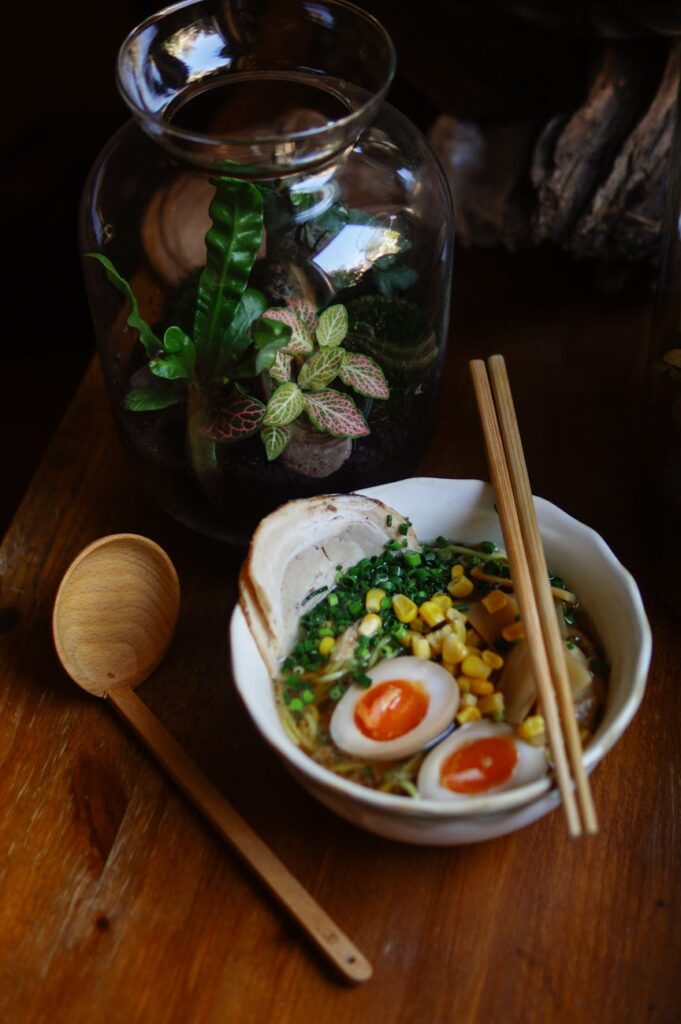
Typically, miso ramen is served with al dente wheat noodles and a variety of toppings, including sliced green onions, chashu (braised pork), mushrooms, and nori (seaweed). The combination of these elements creates a comforting and satisfying dish that has captivated the palates of many.
History and Origins
The roots of miso ramen can be traced back to the broader history of ramen itself, which has a complex and multifaceted background. Ramen is believed to have originated from Chinese wheat noodle soups, brought to Japan in the late 19th century. However, it wasn’t until the early 20th century that ramen began to evolve into its distinctly Japanese form.
The introduction of miso into ramen is often associated with the city of Sapporo in Hokkaido, Japan. In the 1950s, the post-war food landscape prompted culinary creativity and experimentation. Miso ramen emerged as a response to the growing demand for hearty, flavorful dishes that could warm the body during Hokkaido’s harsh winters. The first documented miso ramen shop, “Ramen Santoka,” opened in Sapporo in 1955, marking a significant milestone in the dish’s history.
As miso ramen gained popularity, various regional variations began to emerge, each characterized by its unique ingredients and preparation methods. Today, miso ramen is celebrated not only in Japan but also internationally, with countless restaurants and chefs putting their own spin on the classic dish.
Production and Processing
The production of miso ramen begins with two main components: the noodles and the broth.
Noodles
Ramen noodles are typically made from wheat flour, water, salt, and kansui (an alkaline mineral water). The addition of kansui is crucial as it gives the noodles their distinctive chewiness and yellowish hue. The noodle-making process can involve various techniques, from hand-pulling to machine-extrusion, depending on the desired texture and thickness.
Broth
The miso broth is made by dissolving miso paste in a stock or broth, often derived from ingredients such as chicken, pork, or fish. The process may also include simmering vegetables like onions, garlic, and ginger to enhance the flavor profile. Different types of miso can be blended to create a complex and well-rounded broth, adding layers of taste that elevate the dish.
Fermentation
The fermentation of miso itself is a meticulous process that can take months, sometimes years, depending on the type of miso being produced. The fermentation process involves the inoculation of soybeans with a specific mold, followed by the addition of salt and other ingredients. This fermentation not only develops the flavor but also adds nutritional benefits, contributing to the overall appeal of miso ramen.
Quality and Grading
The quality of miso ramen hinges on several factors, including the type of miso used, the noodle texture, and the broth’s depth of flavor.
Miso Quality
Miso is often graded based on its color, flavor, and fermentation process. High-quality miso is rich in flavor, with a balance of sweetness and saltiness, and a smooth texture. It is essential for ramen chefs to source their miso from reputable producers to ensure that their broth has the authentic taste that defines miso ramen.
Noodle Quality
The quality of the noodles is equally important. Fresh, handmade noodles are generally preferred for their superior texture and taste. The cooking time and water quality also impact the final product, as they contribute to the overall mouthfeel of the dish.
Buying Considerations
When purchasing miso ramen or its key ingredients, several factors should be considered:
1. Miso Type: Different types of miso impart varying flavors. For a rich and robust miso ramen, red miso is often favored, while white miso provides a milder taste.
2. Noodle Freshness: Fresh noodles can significantly enhance the eating experience. When possible, opt for noodles from local suppliers or specialty shops.
3. Broth Base: The choice of broth base can influence the overall profile of miso ramen. A well-balanced broth will enhance the flavor of the miso without overpowering it.
4. Toppings: Fresh and high-quality toppings can elevate the dish. Look for ingredients like freshly sliced chashu, crisp vegetables, and premium eggs.
5. Packaging: If purchasing pre-packaged miso ramen products, check for any preservatives or artificial flavors that could detract from the authenticity of the dish.
Uses and Applications
Miso ramen is not only a popular dish in restaurants but also serves as a versatile base for various culinary applications.
Home Cooking
With the increasing popularity of ramen globally, home cooks are experimenting with miso ramen, creating their own versions by customizing toppings and broths.
Culinary Innovation
Chefs are continually pushing the boundaries of traditional miso ramen by incorporating modern techniques and global flavors. This has led to exciting variations, including vegan miso ramen and fusion dishes that blend elements from other cuisines.
Cultural Significance
Miso ramen is often featured in social gatherings and celebrations, symbolizing comfort and warmth. Its versatility and ability to cater to various dietary preferences have made it a beloved dish worldwide.
Storage and Shelf Life
The storage of miso ramen components varies depending on the ingredient:
- Miso Paste: When stored in a cool, dark place, miso can last for several months. Once opened, it should be kept in the refrigerator to maintain its quality.
- Noodles: Fresh noodles should be consumed within a few days, while dried noodles can be stored in a cool, dry place for an extended period.
- Broth: Homemade broth can be refrigerated for up to a week or frozen for longer storage.
It’s essential to label and date all stored items to ensure freshness and safety.
Common Misconceptions
Miso Ramen Is the Same Everywhere
While miso ramen shares a common base, regional variations exist that differentiate taste and preparation methods. Each region in Japan has its own unique take on miso ramen, influenced by local ingredients and culinary traditions.
Miso Is Just a Flavoring
Many people believe that miso is merely a flavoring agent; however, it is a complex ingredient that involves fermentation and has its own distinct nutritional profile, contributing to the overall health benefits of the dish.
Miso Ramen Is Always Spicy
Not all miso ramen is spicy. The heat level can vary widely based on the type of miso used and additional ingredients, such as chili oil or spicy miso paste.
Frequently Asked Questions
1. What is the main ingredient in miso ramen?
Miso ramen primarily features miso paste as the flavor base of its broth, along with wheat noodles and various toppings.
2. Is miso ramen vegetarian?
Miso ramen can be made vegetarian by using vegetable broth and omitting meat toppings. Some restaurants offer vegetarian versions explicitly labeled as such.
3. Can miso ramen be frozen?
Yes, while it is best enjoyed fresh, miso ramen components such as broth and noodles can be frozen for later use. However, the texture may change upon reheating.
4. What is the difference between miso ramen and other types of ramen?
Miso ramen is distinct from other ramen varieties primarily due to its use of miso paste in the broth, while other types may feature soy sauce (shoyu), salt (shio), or tonkotsu (pork bone) bases.
5. How spicy is miso ramen?
The spiciness of miso ramen varies widely based on the recipe and preparation. Some versions include spicy miso or chili oil, while others may be mild.
6. Can I make miso ramen at home?
Absolutely! With the right ingredients and techniques, making miso ramen at home is achievable. Many culinary resources provide guidance on sourcing ingredients and preparation methods.
Conclusion
Miso ramen is more than just a dish; it embodies a rich history and cultural significance that reflects the evolution of Japanese cuisine. From its humble origins in Sapporo to its global recognition, miso ramen continues to adapt and inspire, delighting food enthusiasts around the world. Whether enjoyed in a traditional setting or through modern reinterpretations, miso ramen remains a testament to the beauty and complexity of culinary art.