
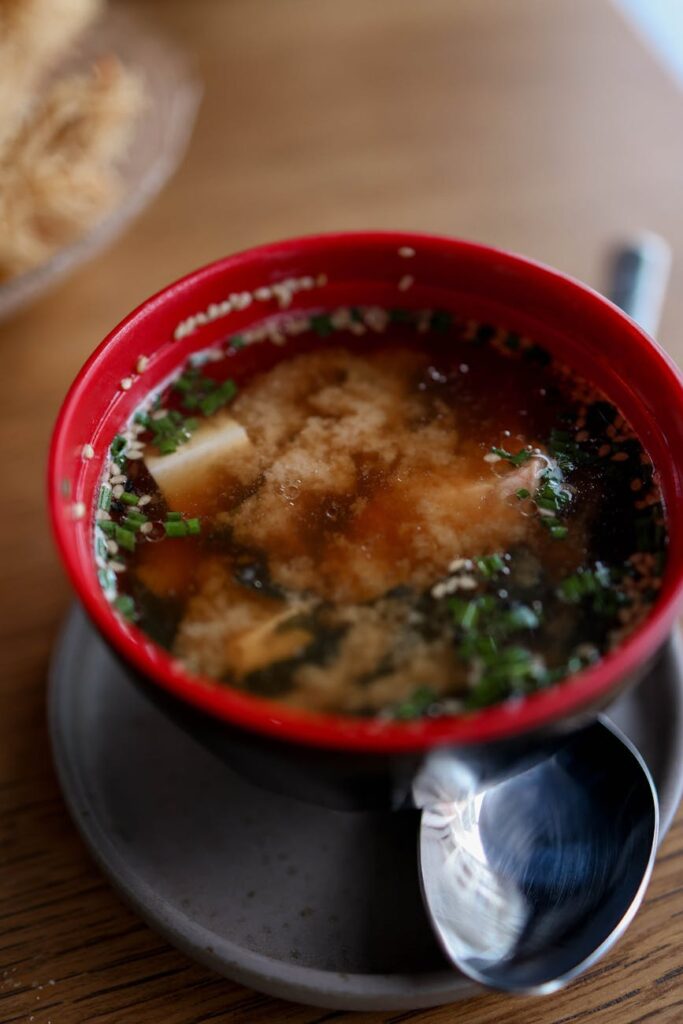
The History of Miso Soup
Introduction
Miso soup, a staple in Japanese cuisine, is more than just a nourishing dish; it embodies centuries of cultural evolution, agricultural practices, and culinary artistry. Known for its umami-rich flavor and versatility, miso soup is frequently enjoyed as a comforting breakfast or a starter at dinner. This article delves into the multifaceted history of miso soup, exploring its origins, production methods, and cultural significance throughout the ages.
What Is Miso Soup?
Miso soup is a traditional Japanese soup made primarily from miso, a fermented soybean paste, and dashi, a broth usually derived from seaweed and fish. The soup typically includes various ingredients such as tofu, green onions, and seaweed, contributing to its flavor and nutritional profile. While miso soup is often associated with Japanese cuisine, its origins and variations can be traced back to broader Asian culinary traditions.
History and Origins
The roots of miso soup extend back over a millennium. Miso itself is believed to have originated in China around the 3rd century AD, where it was known as “jiang.” This fermented paste was made from grains and legumes, serving as both a condiment and a source of nutrition. By the 7th century, this technique made its way to Japan, where it evolved into the miso we recognize today.
Initially, miso was considered a luxury item, consumed primarily by the elite and samurai classes. However, as agricultural practices advanced and soy cultivation became widespread in Japan, miso gradually became more accessible to the general populace. The early Edo period (1603–1868) marked a significant turning point in the popularity of miso soup, as it became a common dish in households across Japan.
The soup was traditionally prepared using seasonal ingredients, reflecting the local environment and available produce, making it both a regional and personal expression of Japanese culinary heritage. Different regions developed unique styles and flavors of miso, resulting in a rich tapestry of miso soup variations.
Production and Processing
The production of miso begins with the fermentation of soybeans, a process that can take anywhere from a few months to several years, depending on the desired flavor and texture. Soybeans are cooked and then mixed with koji, a culture of Aspergillus oryzae, which is essential for fermentation. This mixture is then salted and left to mature in wooden barrels or containers, where natural enzymes break down the proteins and carbohydrates into flavorful compounds.
The type of miso used in miso soup can vary significantly, with the primary types being white (shiro), red (aka), and mixed (awase) miso. White miso is milder and sweeter, while red miso has a deeper, more robust flavor. Each type brings its unique character to the soup, influencing both taste and color.
Dashi, the broth component, is typically made from kombu (dried kelp) and bonito flakes (dried fish), though vegetarian versions using shiitake mushrooms or other plant-based ingredients are also popular. The quality of the dashi greatly influences the final taste of the soup, making it an integral part of the preparation process.
Quality and Grading
Quality miso is characterized by its flavor, aroma, and texture. The grading of miso generally considers the fermentation time, the balance of ingredients, and the overall flavor profile. Artisan-produced miso often commands higher prices due to its traditional production methods and high-quality ingredients.
When evaluating miso, look for a smooth texture and a rich, complex aroma. The color can range from light beige to dark brown, which correlates with the miso type and its fermentation duration. High-quality miso products will often bear labels indicating their region of origin or production methods, reflecting a commitment to authenticity and craftsmanship.
Buying Considerations
When purchasing miso for soup, several factors should be considered. First and foremost, consider the type of miso that will best complement your intended dish. White miso is ideal for lighter soups, while red miso offers a more intense flavor.
Miso can be found in various forms, including paste and powder. The paste is the most common and versatile, while powdered miso is often used for instant soups. Always check the ingredient list to ensure that no artificial additives or preservatives are present.
Additionally, consider the source of the miso. Locally produced or artisanal brands may offer unique flavors and higher quality than mass-produced options. For those interested in exploring the nuances of miso soup, opting for a small selection of different types can enhance the culinary experience.
Uses and Applications
Miso soup is incredibly versatile and can be adapted to suit a variety of tastes and dietary preferences. Beyond the traditional preparations, it can serve as a base for stews, sauces, and dressings, showcasing its umami flavor in diverse culinary contexts.
In addition to being a starter or side dish, miso soup can be a vehicle for seasonal vegetables, fish, and even grains. Variations abound, with each region of Japan showcasing local ingredients and cooking techniques. For instance, in Hiroshima, miso soup may incorporate oysters, while in Hokkaido, it could feature fresh seafood or root vegetables.
Moreover, miso has been embraced in modern cuisine, finding its way into fusion dishes and even desserts, illustrating its adaptability beyond traditional boundaries.
Storage and Shelf Life
Miso itself is a shelf-stable product due to its fermentation process, which inhibits the growth of harmful bacteria. However, once opened, it should be stored in an airtight container in the refrigerator to maintain its flavor and quality. Properly stored, opened miso can last several months, while unopened miso can be kept for up to a year or more.
Dashi, on the other hand, has a shorter shelf life and should be prepared fresh whenever possible. If using store-bought dashi, check the expiration date and store it according to the manufacturer’s instructions.
Common Misconceptions
One common misconception about miso soup is that it is inherently unhealthy due to its sodium content. While it’s true that miso can be high in sodium, it is also rich in essential nutrients, enzymes, and probiotics that contribute to overall health when consumed in moderation.
Another misconception is that miso soup is bland or uninteresting. In reality, the flavor complexity of miso can vary widely based on the type of miso used, the ingredients added, and the preparation method. The depth of flavor can be enhanced through the careful selection of dashi and additional components.
Lastly, some may believe that miso soup is exclusively a breakfast item. In Japan, it is enjoyed at any meal, reflecting its versatility and cultural significance.
Frequently Asked Questions
1. Is miso soup vegan?
Yes, miso soup can be made vegan by using vegetable-based dashi, such as one made from kombu and shiitake mushrooms, instead of fish-based dashi.
2. Can I use any type of miso for miso soup?
While you can use any type of miso, the flavor of the soup will differ based on the miso chosen. White miso is milder and sweeter, while red miso is stronger and richer.
3. How do I know if my miso is still good?
Miso has a long shelf life due to its fermentation. If it has a sour smell or unusual appearance, it may have gone bad. Otherwise, it should maintain its flavor and texture.
4. Can miso soup be frozen?
While miso soup can be frozen, the texture may change upon thawing. It’s generally better to freeze individual components (like the dashi and solids) separately.
5. Is miso soup gluten-free?
Traditional miso made from soybeans and rice is often gluten-free, but some brands may use barley or other grains. Always check the label to confirm.
6. How can I enhance the flavor of miso soup?
You can enhance miso soup’s flavor by adding fresh ingredients such as garlic, ginger, or seasonal vegetables. A drizzle of sesame oil or a sprinkle of green onions before serving can also elevate the dish.
Conclusion
Miso soup, with its rich history and cultural significance, serves as a testament to Japan’s culinary heritage. From its ancient origins to its modern applications, it continues to evolve while remaining a beloved dish around the world. Understanding its production, quality, and versatility enhances appreciation for this nourishing and flavorful staple, making it much more than just a simple soup.