
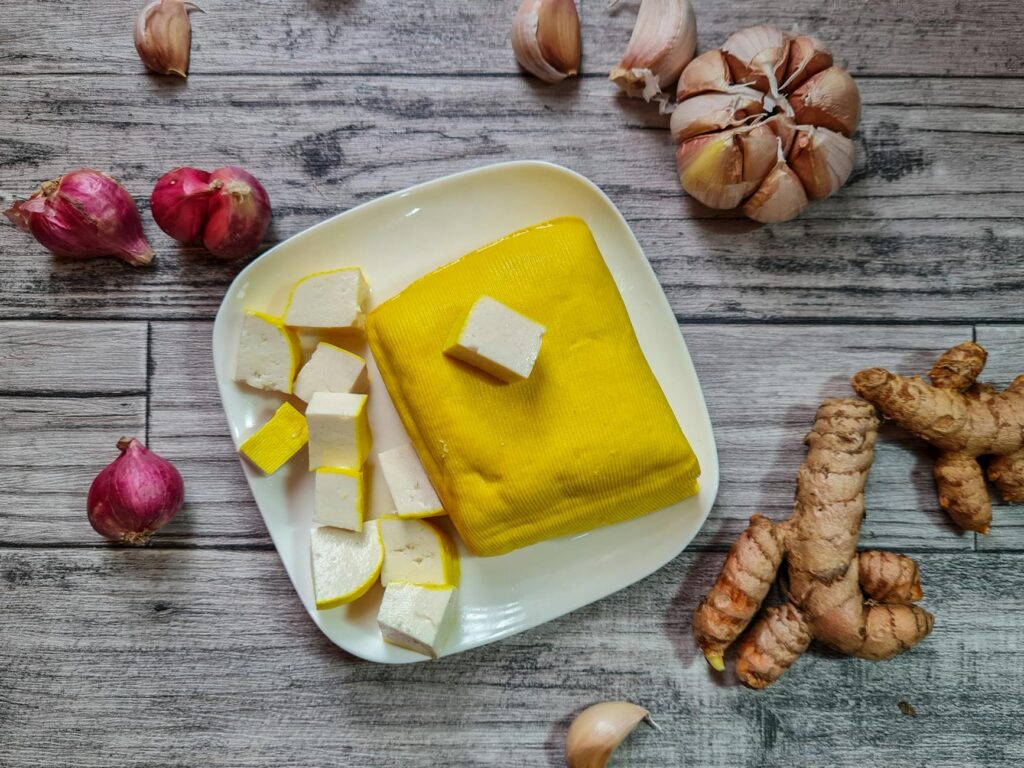
The History of Miso Tofu Skin
Introduction
Miso tofu skin, a unique ingredient in the world of Asian cuisine, combines two beloved staples: miso and tofu. This ingredient not only embodies the rich culinary traditions of East Asia but also reflects the evolving nature of food production and consumption. This article delves into the history, production, and applications of miso tofu skin, offering an authoritative perspective on its significance in global cuisine.
What Is Miso Tofu Skin?
Miso tofu skin is a culinary product derived from soybeans, primarily featuring two main components: miso and tofu skin, also known as yuba. Miso, a fermented soybean paste, brings a savory umami flavor to dishes, while tofu skin, formed from the coagulation of soy milk, adds a delicate, slightly chewy texture. When combined, these ingredients create a versatile product used in various dishes, from soups and stews to salads and wraps.
History and Origins
The story of miso tofu skin can be traced back to ancient East Asia, particularly Japan and China, where soybeans have been cultivated for thousands of years. Historical records indicate that the earliest soybean cultivation occurred around 5000 B.C. in China. The process of fermenting soybeans into miso is believed to have begun during the Nara period (710-794 A.D.) in Japan, with miso evolving into a staple condiment by the Edo period (1603-1868).
Tofu, on the other hand, has its origins in China, where it was first documented in the Han Dynasty (206 B.C. – 220 A.D.). The method of making tofu involves coagulating soy milk, which results in the formation of curds. As the production of tofu became more widespread, the byproduct of this process—soy milk skin, or yuba—was also embraced for its unique texture and flavor.
The fusion of miso with tofu skin began to gain popularity in the 20th century, particularly in Japan, where culinary experimentation led to the creation of miso tofu skin. This innovative ingredient captures the essence of Japanese culinary philosophy, which emphasizes balance, harmony, and the use of high-quality, natural ingredients.
Production and Processing
The production of miso tofu skin involves several steps, beginning with the careful selection of high-quality soybeans. The soybeans are soaked, ground, and boiled to create soy milk. Coagulation agents, usually magnesium chloride or calcium sulfate, are then added to the hot soy milk to form curds.
Once the tofu curds are formed, the remaining liquid is carefully skimmed off to create tofu skin. This skin is then removed and dried, resulting in thin sheets that can be used in various culinary applications. The next step involves fermentation, wherein the tofu skin is combined with miso, allowing the flavors to meld and develop over time.
The fermentation process not only enhances the flavor of the tofu skin but also increases its nutritional value. Miso, being a probiotic-rich food, contributes beneficial microorganisms that can aid in digestion and overall health.
Quality and Grading
Quality control is crucial in the production of miso tofu skin, as it directly impacts the ingredient’s flavor, texture, and overall culinary application. Various factors contribute to the grading of miso tofu skin, including:
1. Soybean Quality: The type of soybean used plays a fundamental role in the final product. High-quality, organic soybeans yield better flavor and texture.
2. Fermentation Time: The duration of fermentation influences the depth of flavor in miso tofu skin. Longer fermentation times typically result in a more robust umami profile.
3. Moisture Content: The moisture level in the final product affects its shelf life and usability. Proper drying techniques must be employed to ensure a stable product.
4. Texture: A desirable miso tofu skin should have a delicate, slightly chewy texture, free from any unwanted lumps or irregularities.
Producers often adhere to stringent quality standards to ensure that their miso tofu skin meets the expectations of chefs and consumers alike.
Buying Considerations
When purchasing miso tofu skin, several factors should be taken into account to ensure you are selecting a high-quality product:
1. Ingredient List: Look for products that contain minimal ingredients—ideally, just soybeans, miso, and a coagulant. Avoid products with artificial additives or preservatives.
2. Packaging Date: Check for packaging and expiration dates. Freshness is key for both flavor and texture.
3. Source: Consider purchasing from reputable brands or local producers who prioritize sustainable farming and ethical production practices.
4. Texture: If possible, assess the texture of the skin. A good quality miso tofu skin should be pliable yet firm, without any signs of excessive dryness or brittleness.
5. Flavor Profile: Some brands offer flavored or seasoned miso tofu skins. While these can be delightful, be sure they align with your intended culinary applications.
Uses and Applications
Miso tofu skin is a versatile ingredient that can be employed in a multitude of dishes. Its unique texture and flavor make it suitable for various culinary applications:
1. Soups and Stews: Miso tofu skin can serve as a hearty addition to miso soup or vegetable stews, contributing both flavor and texture.
2. Salads: Chilled miso tofu skin can be sliced into strips and added to salads, providing a protein boost and a savory element.
3. Wraps and Rolls: The pliability of miso tofu skin makes it an excellent wrapper for fillings, such as vegetables and grains, creating portable and nutritious meals.
4. Stir-Fries: Miso tofu skin can be diced and incorporated into stir-fries, absorbing the flavors of sauces and spices.
5. Snacks