
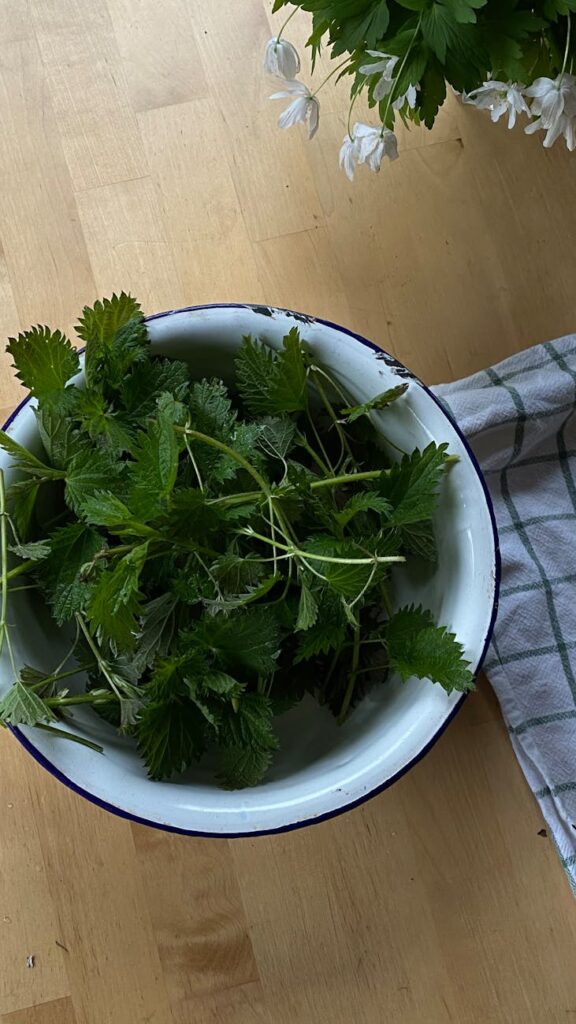
The History of Nettles
Introduction
Nettles, belonging to the genus Urtica, are often perceived as mere weeds that sting the unwary. However, their rich history and diverse applications throughout human culture reveal a different narrative. This article delves into the origins, uses, and cultural significance of nettles, exploring their journey from ancient times to contemporary kitchens and beyond.
What Is About?
Nettles are flowering plants known for their serrated leaves and stinging hairs. The most common species, Urtica dioica (common nettle), thrives in temperate regions around the world. These plants grow in nutrient-rich soils, often near water bodies, and have been utilized for various purposes for thousands of years. Nutritionally rich, nettles are esteemed for their vitamins, minerals, and culinary versatility.
History and Origins
The history of nettles can be traced back to prehistoric times. Archaeological evidence suggests that humans have interacted with nettles since the Mesolithic period, primarily in Europe and Asia. Early foragers likely discovered the plant’s utility, harvesting it for textiles, food, and medicine.
Ancient Civilizations
In ancient Rome, nettles were valued not only for their nutritional properties but also for their fibrous stems, which were woven into textiles. The Roman author Pliny the Elder noted the use of nettles in various recipes and medicinal applications in his work, Natural History, around 77-79 AD. The Greeks also recognized nettles for their therapeutic qualities; Hippocrates and later Galen included them in their medical texts.
In Asia, particularly in China, nettles have a long history as a food source and medicinal herb. Traditional Chinese medicine has utilized nettles for their purported benefits for centuries, highlighting their significance in various ancient cultures.
Medieval and Renaissance Period
During the Middle Ages, nettles were a staple in the diets of the lower classes in Europe, particularly in regions where other crops were less viable. Nettle soup and porridge became common, showcasing the plant’s versatility as a food source. The Renaissance era saw a renewed interest in botany and herbalism, and nettles were often included in herbal compendiums of the time.
In addition to culinary uses, nettles were employed in the production of textiles. The strong fibers could be spun into a coarse fabric, utilized for clothing and ropes. This practice continued into the 18th century, particularly in Europe, where nettle fibers were regarded as a sustainable alternative to cotton and flax.
Production and Processing
The cultivation of nettles requires minimal intervention, as they thrive in a variety of soil conditions and climates. They can be found in wild, untamed areas or cultivated in gardens for home use. Harvesting typically occurs in spring when the young leaves are tender and most nutritious.
Wild Harvesting vs. Cultivation
Wild harvesting of nettles is often considered the most sustainable method, as it allows for the natural growth cycle to continue uninterrupted. However, cultivated nettles have gained popularity for commercial purposes, especially in organic farming. Farmers ensure that nettles are free from pesticides and herbicides, tapping into the growing demand for organic ingredients.
Processing Techniques
Once harvested, nettles require careful handling to preserve their nutritional integrity. The leaves can be blanched to neutralize their sting, making them safe for consumption. This process also enhances their vibrant green color and retains essential nutrients. Dried nettles are often ground into powder, used in soups, teas, and as a natural food coloring agent.
Quality and Grading
The quality of nettles can significantly impact their flavor and nutritional value. Fresh nettles should be vibrant green with no signs of wilting or discoloration. When dried, they should retain their color and aroma, indicating proper processing.
Grading Standards
In commercial markets, nettles may be graded based on factors such as freshness, size, and integrity of leaves. High-quality nettles should be free from pests and contaminants. Organic certification can further assure consumers of the quality and sustainability of the product.
Buying Considerations
When purchasing nettles, several factors should be considered to ensure optimal quality and freshness.
Fresh vs. Dried
Fresh nettles are typically available in spring and early summer. When selecting fresh nettles, look for plants with young, tender leaves. Dried nettles can be purchased year-round, but quality varies based on the processing methods used.
Source and Certification
Opt for nettles sourced from reputable suppliers, particularly those who prioritize organic and sustainable farming practices. Organic certification can provide reassurance regarding the absence of harmful chemicals and environmentally friendly practices.
Uses and Applications
Nettles have a diverse range of applications, spanning culinary, textile, and ecological domains.
Culinary Uses
Culinary enthusiasts appreciate nettles for their earthy flavor and nutritional benefits. They can be used in soups, stews, and pesto, or simply sautéed with garlic and olive oil. The leaves can also be blended into smoothies or incorporated into herbal teas.
Textile and Craft Applications
Historically, nettles have been used to produce textiles. Today, there is a resurgence of interest in sustainable fibers, with some artisans exploring nettles’ potential as an eco-friendly alternative to conventional textiles. Nettle fibers can be processed into yarns and fabrics, suitable for various crafts.
Ecological Benefits
Nettles play a crucial role in ecosystems. They provide habitat and nourishment for various insects, including butterflies and moths. Additionally, their dense foliage can contribute to soil health, preventing erosion and supporting biodiversity.
Storage and Shelf Life
Proper storage of nettles ensures their freshness and usability.
Fresh Nettles
Fresh nettles should be stored in a refrigerator, ideally in a damp cloth or sealed container, to maintain their moisture. They can last up to a week when stored correctly.