
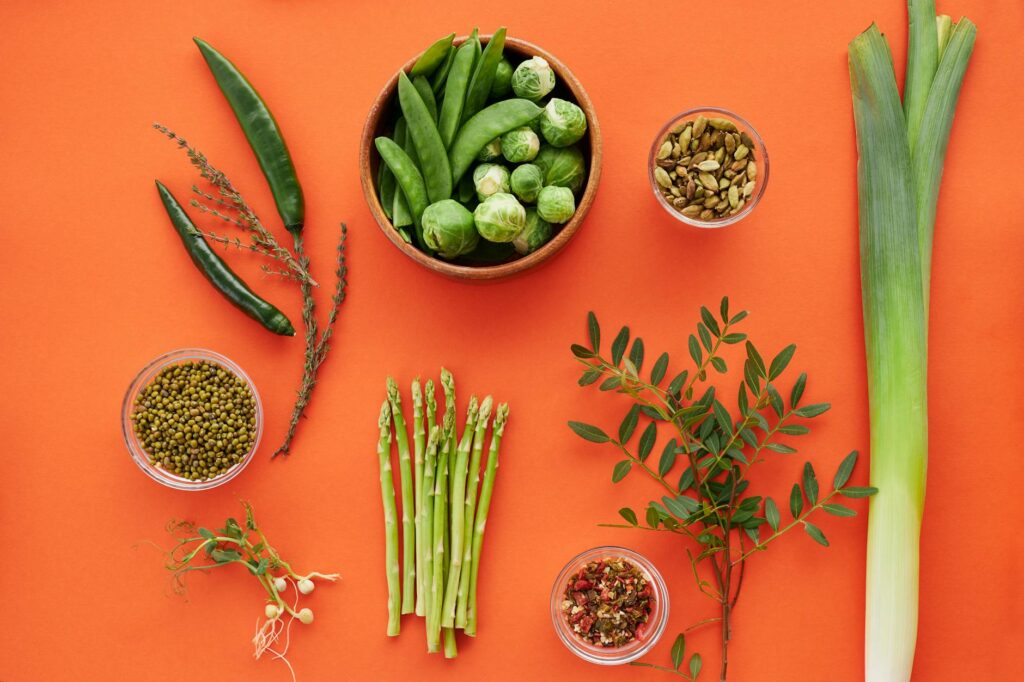
The History of Pea Shoots
Introduction
Pea shoots, the tender, young leaves and stems of the pea plant (Pisum sativum), have gained popularity in modern cuisine for their delicate flavor and vibrant green color. Often regarded as a gourmet ingredient, they add a fresh, sweet taste to salads, stir-fries, and garnishes. Despite their recent rise in popularity, pea shoots have a rich history that intertwines with agriculture, culinary practices, and nutrition. This article delves into the history and significance of pea shoots, exploring their origins, production, uses, and more.
What Is About?
Pea shoots are the young, edible leaves and tendrils of the pea plant. Typically harvested just as the plant begins to grow, these shoots are rich in nutrients, offering a source of vitamins A, C, and K, as well as folate and fiber. Their mild, sweet flavor makes them a versatile ingredient in various culinary applications, from fresh salads to soups and stir-fries.
While often considered a specialty ingredient in Western cuisine, pea shoots have been consumed in various forms for centuries across different cultures. Their delicate structure and appealing taste have made them a favorite among chefs and home cooks alike.
History and Origins
The history of the pea plant dates back thousands of years, with evidence of its cultivation as early as 7000 B.C. in the Mediterranean region. Archaeological findings suggest that peas were among the first crops cultivated by humans, valued for their nutritional benefits. As agricultural practices evolved, so did the cultivation of various pea varieties, leading to the development of the modern garden pea.
In ancient times, peas were primarily grown for their dried seeds, which were a staple food source during the colder months. However, the young shoots of the pea plant were also consumed, particularly in regions where fresh greens were scarce. The practice of eating pea shoots gained traction in Asia, where they are commonly used in Chinese and other Asian cuisines. The Chinese have long valued pea shoots for their flavor and culinary versatility, often incorporating them into stir-fries and soups.
As global trade expanded, so did the appreciation for pea shoots. By the late 20th century, they began to appear in Western culinary scenes, especially as chefs sought to incorporate fresh and unique ingredients into their dishes. Today, pea shoots are celebrated not only for their flavor but also for their nutritional value and sustainability.
Production and Processing
Pea shoots are typically grown from garden peas, which are sowed in the spring and harvested when they are about 4-6 inches tall. The growth cycle is relatively short, usually taking between 2 to 3 weeks from sowing to harvest. This rapid growth makes pea shoots an attractive option for both commercial growers and home gardeners.
Commercial production of pea shoots often involves controlled environments to optimize growth conditions. Greenhouses provide the necessary humidity, temperature, and light, enabling growers to produce pea shoots year-round. Organic practices are increasingly popular, with many producers opting for methods that avoid synthetic pesticides and fertilizers.
Once harvested, pea shoots are typically washed and packaged for sale. Given their delicate nature, they require careful handling to prevent bruising and damage. Post-harvest processing focuses on maintaining freshness, often involving refrigeration and minimal handling to extend shelf life.
Quality and Grading
Quality assessment of pea shoots primarily involves evaluating their appearance, texture, and flavor. High-quality pea shoots should exhibit vibrant green color, tender leaves, and crisp stems. They should be free from blemishes, discoloration, and signs of wilting.
Grading standards may vary between regions and suppliers, but generally, they can be classified into three grades:
1. Grade A: These are the highest quality shoots, characterized by their vibrant color, tenderness, and absence of defects.
2. Grade B: These shoots may show slight imperfections but are still suitable for culinary use. They may have minor blemishes or slightly tougher stems.
3. Grade C: This grade includes shoots that are overripe, wilted, or damaged, making them less desirable for culinary applications.
Consumers are encouraged to look for the freshest and highest quality shoots, often sourced from local growers or farmers’ markets to ensure maximum flavor and nutritional benefits.
Buying Considerations
When purchasing pea shoots, there are several factors to consider:
1. Freshness: Look for shoots that are vibrant green and crisp. Avoid any that appear wilted or discolored.
2. Source: Whenever possible, buy from local farmers’ markets or organic suppliers to ensure quality and sustainability.
3. Packaging: Choose shoots that are packaged in breathable materials to maintain freshness. Avoid those in sealed, non-ventilated containers that may promote spoilage.
4. Seasonality: Pea shoots are typically in season during spring and early summer. Understanding seasonal availability can enhance the quality of your purchases.
Uses and Applications
Pea shoots are highly versatile in culinary applications. Their mild flavor pairs well with a variety of ingredients, making them suitable for salads, sandwiches, and garnishes. Here are some common uses:
- Salads: Fresh pea shoots can be used as a base or topping in salads, adding a sweet, crunchy texture.
- Stir-Fries: Their quick cooking time makes them an excellent addition to stir-fries, where they can be added just before serving for a burst of freshness.
- Soups: Pea shoots can be blended into soups or used as a garnish, providing a pop of color and flavor.
- Garnishes: Their delicate appearance makes them ideal for garnishing dishes, adding visual appeal and a subtle taste.
- Refrigeration: Store pea shoots in the refrigerator, preferably in a breathable container to avoid excess moisture, which can lead to wilting or spoilage.
- Avoid Washing: It’s best to avoid washing pea shoots until you are ready to use them, as excess moisture can shorten their shelf life.
- Shelf Life: When stored correctly, pea shoots can last up to a week in the refrigerator. However, they are best consumed within a few days of purchase for optimal flavor and texture.
- No, pea shoots are the young leaves and stems of the pea plant, while pea pods contain the mature peas.
- Yes, pea shoots can be easily grown at home from seeds in soil or in a hydroponic setup, making them a great option for home gardening.
- Pea shoots are best enjoyed fresh, but they can also be lightly sautéed or added to dishes just before serving to retain their texture and flavor.
- Yes, pea shoots are safe to consume raw and are often enjoyed in salads and as garnishes.
- Pea shoots are comparable to other leafy greens, offering a good source of vitamins A, C, and K, as well as fiber and antioxidants.
- Freezing pea shoots is not recommended, as their delicate texture can be compromised. They are best consumed fresh.
The culinary potential of pea shoots extends beyond traditional uses. Chefs have begun incorporating them into innovative dishes, showcasing their versatility and appeal in contemporary cuisine.
Storage and Shelf Life
To maintain the freshness of pea shoots, proper storage is essential. Here are some guidelines:
Common Misconceptions
Despite their growing popularity, several misconceptions about pea shoots persist:
1. Only for Gourmet Use: While often featured in gourmet dishes, pea shoots can be easily incorporated into everyday meals, making them accessible for all home cooks.
2. Only Found in Specialty Stores: Pea shoots are increasingly available in mainstream grocery stores, farmers’ markets, and online retailers.
3. Nutritionally Insignificant: Many people overlook the nutritional benefits of pea shoots. They are rich in vitamins and minerals, making them a healthy addition to any diet.
Frequently Asked Questions
1. Are pea shoots the same as pea pods?
2. Can I grow pea shoots at home?
3. What is the best way to prepare pea shoots?
4. Are pea shoots safe to eat raw?
5. How do pea shoots compare nutritionally to other greens?
6. Can I freeze pea shoots?
Conclusion
The journey of pea shoots from ancient agricultural practices to modern culinary trends highlights their significance as a versatile and nutritious ingredient. With their rich history and growing popularity, pea shoots are poised to remain a staple in kitchens around the world. Understanding their origins, production, and culinary applications allows home cooks and professional chefs alike to appreciate this delicate ingredient and incorporate it into a variety of dishes. Whether enjoyed raw in salads or cooked in stir-fries, pea shoots continue to inspire creativity and innovation in the culinary arts.