
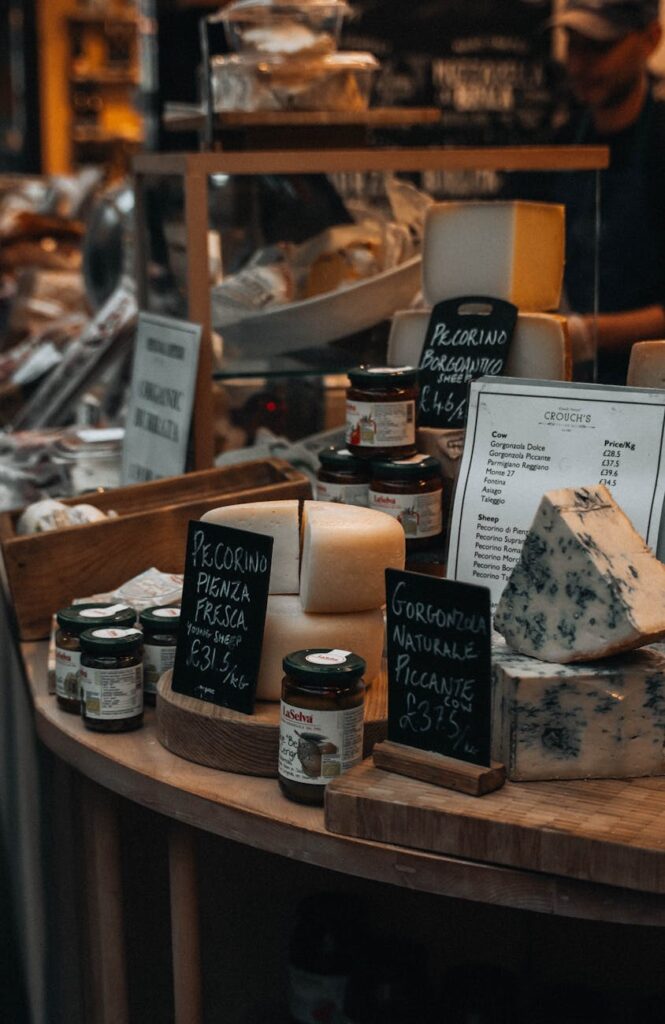
The History of Pecorino Cheese
Introduction
Pecorino cheese, a time-honored dairy product from Italy, has played an integral role in the country’s culinary landscape for centuries. Renowned for its distinct flavor, firm texture, and versatility, Pecorino has earned a cherished place not only in Italian kitchens but also on tables around the world. This article delves into the rich history, traditional production methods, quality grading, and various applications of this exquisite cheese, offering a comprehensive understanding of its significance in both culture and cuisine.
What Is About?
Pecorino cheese is a hard, salty cheese made from sheep’s milk, characterized by its robust flavor that varies with age and regional production methods. The term “Pecorino” derives from the Italian word “pecora,” meaning sheep. Historically, this cheese was produced in various regions of Italy, with each area contributing its unique characteristics to the final product. Pecorino is often used in a variety of culinary applications, from grating over pasta dishes to serving on cheese boards, making it a staple ingredient in Italian cuisine.
History and Origins
The origins of Pecorino cheese trace back to ancient times, with evidence suggesting that sheep herding and cheese production began in Italy over 2,000 years ago. Historical texts, including writings by the Roman poet Virgil, mention the consumption of cheese made from sheep’s milk, indicating that Pecorino has been a valued food source for millennia.
During the Roman Empire, cheese production flourished, and Pecorino became a staple among soldiers and laborers due to its long shelf life and nutritional value. The cheese was often carried by Roman legions as a source of sustenance during military campaigns. As trade routes expanded, Pecorino was introduced to other regions, leading to the development of distinct varieties.
In the Middle Ages, Pecorino cheese production became more localized and specialized. Different regions, such as Lazio, Tuscany, and Sardinia, began to cultivate their unique styles of Pecorino, each influenced by the local environment, sheep breeds, and production techniques. The establishment of Pecorino Romano, Pecorino Sardo, and Pecorino Toscano as distinct varieties further solidified the cheese’s importance in Italian gastronomy.
Production and Processing
The production of Pecorino cheese is a meticulous process that adheres to traditional methods passed down through generations. The process begins with the milking of sheep, which are typically grazed on natural pastures rich in herbs and grasses, imparting unique flavors to the milk. The milk is then pasteurized or, in some artisanal cases, left raw, depending on the desired flavor profile.
Once collected, the milk is heated and combined with rennet, an enzyme that initiates coagulation. The curds are then cut into small pieces to facilitate whey expulsion. Following this, the curds are cooked and stirred to achieve the desired texture, which can range from soft to firm depending on the variety being produced.
After the curds are formed into wheels, they are salted either through dry salting or brining, which enhances flavor and acts as a preservative. The cheese is then aged for a period that can vary from a few months to over a year, during which it develops its characteristic flavor and texture. The aging process, known as affinage, is crucial in determining the final product’s complexity and depth.
Quality and Grading
Pecorino cheese is graded based on several factors, including flavor, texture, aroma, and visual appearance. The most recognized grading system in Italy is based on the Protected Designation of Origin (PDO) status, which guarantees that the cheese is produced in a specific geographic area using traditional methods.
Pecorino Romano, for instance, is one of the most famous varieties and is granted PDO status. It is known for its sharp, salty flavor and is typically aged for at least five months. Pecorino Toscano, on the other hand, is milder and can be aged for as little as four months or as long as a year, offering a more nuanced flavor profile.
When purchasing Pecorino, consumers should look for labels that indicate the cheese’s origin and production methods. Authentic Pecorino should have a firm texture with a slightly crumbly quality, and its flavor should range from mildly sweet to robustly salty, depending on age.
Buying Considerations
When selecting Pecorino cheese, several factors should be taken into account to ensure a high-quality product. First, consider the type of Pecorino you desire, as different varieties offer distinct flavor profiles and textures. For example, Pecorino Romano is ideal for grating over pasta dishes, while younger Pecorino Toscano may be preferred for cheese boards.
Look for cheeses that are labeled with PDO certification, as these products adhere to strict production standards that ensure authenticity. Pay attention to the cheese’s appearance; it should have a hard, dry rind and a firm interior. The aroma should be pleasantly pungent, indicative of proper aging.
Additionally, consider the source of the cheese. Specialty cheese shops, artisanal producers, and reputable online retailers often carry high-quality Pecorino. If possible, sample the cheese before purchasing to assess its flavor and texture, as personal preference plays a significant role in selecting the right variety.
Uses and Applications
Pecorino cheese is a versatile ingredient in the culinary world, finding its way into a myriad of dishes. Its robust flavor makes it an excellent choice for grating over pasta, enhancing the taste of traditional Italian dishes such as cacio e pepe and pasta all’amatriciana. It can also be used in risottos, soups, and salads, adding depth and complexity to the overall flavor profile.
In addition to its culinary uses, Pecorino pairs beautifully with a variety of accompaniments. It complements cured meats, olives, and roasted vegetables on cheese boards, while its sharpness balances well with sweet elements such as honey or fruit preserves.
Pecorino can also be enjoyed on its own, whether in thin slices or as a wedge, showcasing its rich flavors. As a table cheese, it can serve as an appetizer or a closing course, making it a beloved staple in Italian dining.
Storage and Shelf Life
Proper storage is essential to maintain the quality and flavor of Pecorino cheese. Ideally, it should be wrapped in wax paper or parchment paper and then placed in an airtight container to protect it from moisture and strong odors in the refrigerator. This method helps preserve the cheese’s texture and prevents it from drying out.
Pecorino cheese can last for several months when stored correctly. However, its shelf life may vary depending on the type and aging process. Fresh Pecorino may last for a few weeks, while aged varieties can remain in good condition for up to a year. It is advisable to check for any signs of spoilage, such as an off smell or mold, and to discard the cheese if any such signs are present.
Common Misconceptions
Despite its popularity, several misconceptions surround Pecorino cheese. One common myth is that all Pecorino cheeses are the same. In reality, there are multiple varieties, each with unique characteristics influenced by regional production methods, sheep breeds, and aging processes.
Another misconception is that Pecorino is only suitable for grating. While it is an excellent cheese for this purpose, it can also be enjoyed in various forms, including as a table cheese or in salads, demonstrating its versatility.
Lastly, some people believe that Pecorino is excessively salty. While it does have a pronounced salty flavor, this is balanced by its rich, creamy texture and complex aroma. The saltiness can vary significantly depending on the aging process and specific variety, making it essential to sample different types to find one that suits individual taste preferences.
Frequently Asked Questions
1. What distinguishes Pecorino Romano from other varieties of Pecorino?
Pecorino Romano is known for its sharp, salty flavor and firm texture. It is a PDO cheese primarily produced in the regions of Lazio and Sardinia, and it is aged for a minimum of five months, giving it a distinct character compared to younger varieties like Pecorino Toscano.
2. Can Pecorino cheese be eaten raw?
Yes, Pecorino cheese can be enjoyed raw. It is delicious on its own or paired with fruits, nuts, and cured meats, making it a wonderful addition to cheese boards.
3. Is Pecorino suitable for vegetarians?
Most Pecorino cheeses are made using animal rennet, which means they are not suitable for vegetarians. However, some producers may offer vegetarian versions, so it is essential to check the label.
4. How can I tell if Pecorino cheese has gone bad?
Signs of spoilage include an off or sour smell, excessive mold, or a change in texture. If the cheese appears dry or has developed a strong odor, it is best to discard it.
5. What is the best way to serve Pecorino cheese?
Pecorino cheese can be served in various ways; it can be grated over pasta dishes, enjoyed on a cheese board, or sliced and served as an appetizer. Pairing it with honey, fruits, or cured meats can enhance its flavor.
6. How should I store Pecorino cheese for maximum freshness?
To maintain freshness, wrap Pecorino cheese in wax paper or parchment paper and place it in an airtight container in the refrigerator. This helps prevent moisture loss and protects it from strong odors.
In summary, Pecorino cheese is a multifaceted ingredient with a rich history, diverse production methods, and a wide array of culinary applications. Its robust flavor and versatility make it a celebrated component of Italian cuisine and a favorite among cheese lovers worldwide. Understanding its heritage and nuances not only enhances appreciation but also elevates the culinary experience associated with this remarkable cheese.