
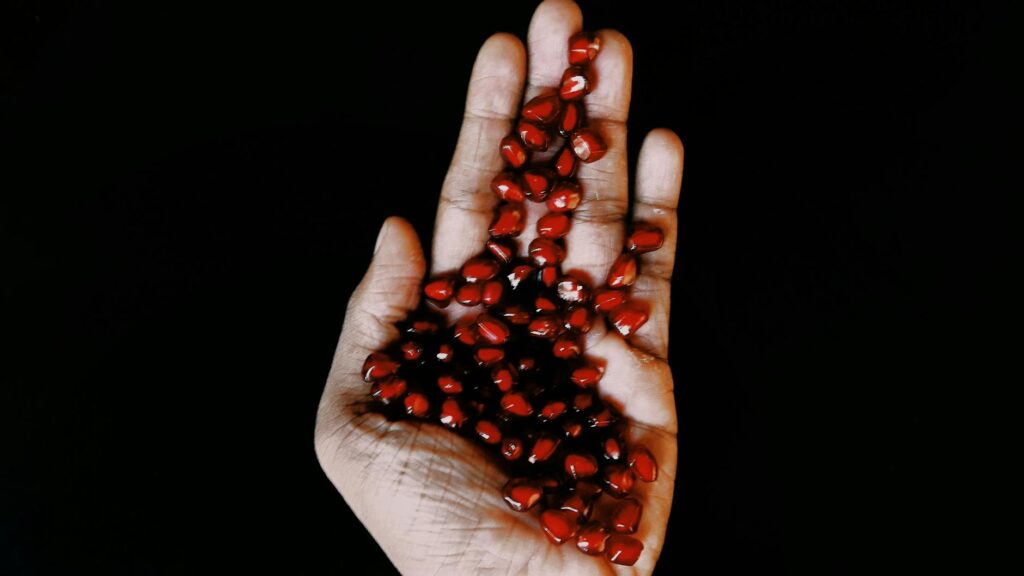
The History of Pomegranate Seeds
Introduction
Pomegranate seeds, the jewel-like arils of the pomegranate fruit, are not only prized for their vibrant color and sweet-tart flavor but also for their rich historical significance. As one of the oldest cultivated fruits known to humanity, pomegranates have woven themselves into the cultural, culinary, and medicinal tapestries of many civilizations. This article will delve into the fascinating history of pomegranate seeds, exploring their origins, production, uses, and the misconceptions surrounding them.
What Is About?
The pomegranate (Punica granatum) is a deciduous shrub native to the region ranging from modern-day Iran to northern India. It has been cultivated since ancient times for its edible seeds, which are surrounded by a juicy, red pulp. The seeds are often referred to as arils and are the edible part of the fruit. Each pomegranate can contain anywhere from 200 to 1,400 seeds, depending on its size and variety. In addition to their delicious taste, pomegranate seeds are celebrated for their nutritional properties, making them a popular ingredient in various culinary traditions.
History and Origins
The history of pomegranates can be traced back thousands of years. Archaeological evidence suggests that the fruit was cultivated as far back as 4000 BCE in the region of Mesopotamia. Ancient Egyptians revered the pomegranate, often associating it with prosperity and fertility. In their tombs, pomegranates were found alongside other valuable items, symbolizing the afterlife’s abundance.
In the Bible, pomegranates are frequently mentioned as a symbol of righteousness and prosperity. They were among the seven species of agricultural products listed in the Torah as native to the Land of Israel. The fruit’s association with fertility and abundance extended into Greek mythology, where it was linked to Persephone, the goddess of spring, and was said to have the power to bind her to the underworld.
As civilizations expanded, so too did the cultivation of pomegranates. The ancient Persians and Greeks spread the fruit through trade routes, introducing it to the Mediterranean region. By the time of the Roman Empire, pomegranates had become a staple in many diets. The Romans cultivated various varieties and spread them to their territories in Europe and North Africa.
In the Americas, pomegranates were introduced by Spanish settlers in the late 15th century. The fruit thrived in California, where it became an important agricultural product. Today, the United States is one of the leading producers of pomegranates, alongside countries like India, Iran, and Turkey.
Production and Processing
Pomegranates are typically harvested in the late summer to early fall, depending on the climate and region. The fruit prefers a warm, dry climate and requires well-drained soil to thrive. Commercial cultivation of pomegranates has increased in recent years, with growers focusing on both traditional and modern methods of farming.
Once harvested, pomegranates are carefully handled to prevent bruising. The processing of pomegranates involves extracting the arils, which can be done manually or through mechanical means. Manual extraction is labor-intensive, requiring skilled workers who can carefully remove the seeds without damaging them. Mechanical extraction, on the other hand, uses specialized machines to separate the arils from the fruit quickly and efficiently.
The extracted seeds can be used in various forms, including fresh, frozen, or as juice. Pomegranate juice has gained popularity in recent years, both for its flavor and purported health benefits. The processing methods can vary significantly depending on the intended use of the seeds, with a focus on maintaining quality and flavor.
Quality and Grading
The quality of pomegranate seeds can vary based on several factors, including the variety of the fruit, the growing conditions, and the harvesting techniques employed. In commercial markets, pomegranates are typically graded based on size, color, and the number of arils contained within each fruit. Higher grades are often characterized by larger size, deeper color, and a full complement of intact seeds.
When evaluating the quality of pomegranate seeds, consumers should look for bright, plump arils that are free from blemishes or discoloration. The seeds should have a firm texture and a juicy interior, indicating freshness. Producers often emphasize the importance of proper handling and storage to maintain the quality of the seeds throughout their shelf life.
Buying Considerations
When purchasing pomegranate seeds, several factors should be considered to ensure the best quality. It is advisable to buy seeds that are labeled as “fresh” or “harvested recently.” If purchasing whole pomegranates, look for those that feel heavy for their size and have a vibrant, unblemished skin.
Consumers may also encounter frozen pomegranate seeds, which can be a convenient option. Frozen seeds should ideally be packaged without added sugars or preservatives. If buying pomegranate juice, it’s advisable to choose products that contain pure juice with no added sugars or artificial ingredients.
Uses and Applications
Pomegranate seeds are versatile ingredients that can be used in a variety of culinary applications. Their sweet-tart flavor pairs well with both sweet and savory dishes. In Middle Eastern cuisine, pomegranate seeds are commonly used in salads, rice dishes, and sauces. They can also be sprinkled over yogurt, desserts, or breakfast bowls for added texture and flavor.
In addition to their culinary uses, pomegranate seeds have found applications in beverages, sauces, and even cosmetics. The vibrant color and flavor of pomegranate juice have made it a popular ingredient in cocktails and smoothies. Furthermore, the seeds’ antioxidants have led to their inclusion in health and beauty products, with many brands highlighting their natural benefits.
Storage and Shelf Life
To maintain the freshness and quality of pomegranate seeds, proper storage is crucial. Fresh pomegranate seeds should be refrigerated and consumed within a week to ensure optimal flavor and texture. If the seeds are not used within this timeframe, they can be frozen for longer-term storage. When freezing