
The History of Quinoa
Introduction
Quinoa (Chenopodium quinoa) has emerged as a superfood and a staple in contemporary diets, particularly among health-conscious consumers. However, its journey from ancient crops to modern kitchens is rich and complex. This article delves into the history, production, and significance of quinoa, shedding light on this remarkable grain that has captivated the culinary world.
What Is Quinoa?
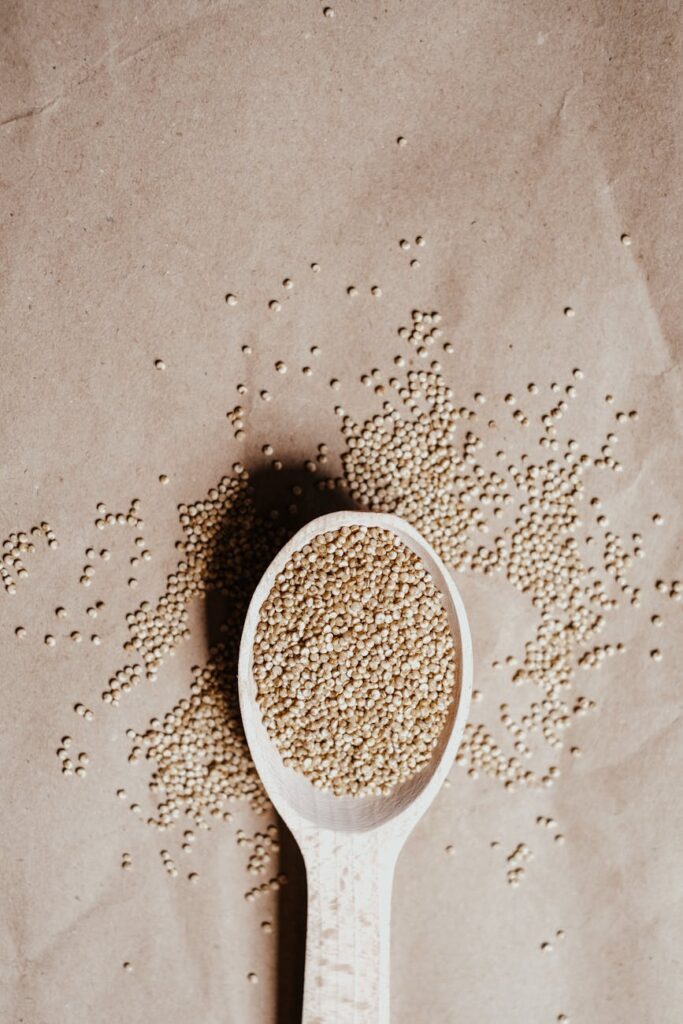
Quinoa is often classified as a grain, but it is technically a seed from the flowering plant belonging to the amaranth family. It is known for its high protein content, essential amino acids, and various vitamins and minerals. Quinoa can be identified by its small, round seeds, which come in a variety of colors including white, red, and black. It is gluten-free and has gained immense popularity for its versatility and nutritional benefits.
History and Origins
Quinoa has a storied past that dates back over 5,000 years. Native to the Andean region of South America, particularly in modern-day Peru, Bolivia, Ecuador, and Colombia, quinoa was cultivated by ancient civilizations, including the Inca. The Incas revered quinoa as “the mother grain,” and it played a vital role in their diet, culture, and economy.
Quinoa was not merely a food source; it held religious significance. The Incas would often perform rituals surrounding the planting and harvesting of quinoa, considering it a gift from the gods. The seeds were used in ceremonies, and the crop was so integral to their way of life that the Spanish conquistadors noted its importance upon arriving in the 16th century.
With the arrival of Spanish colonizers, quinoa cultivation faced significant decline as the focus shifted to European crops such as wheat and barley. This led to a reduction of quinoa in the Andean diet over the centuries. Nevertheless, indigenous communities continued to cultivate quinoa, preserving its genetic diversity and cultural significance.
In the late 20th century, interest in quinoa surged globally, aligning with the rise of health-conscious eating and an increased awareness of sustainable agricultural practices. The Food and Agriculture Organization (FAO) of the United Nations recognized 2013 as the “International Year of Quinoa,” further promoting its global recognition and outreach.
Production and Processing
Today, quinoa is cultivated in various regions around the world, but it remains predominantly grown in South America. Bolivia and Peru are the leading producers, accounting for the majority of the global supply. Quinoa thrives in high altitudes, and its resilience to harsh conditions—such as drought and poor soil quality—makes it an invaluable crop for many farmers.
The production process begins with planting seeds in well-drained soil. Quinoa is a hardy plant that can grow in diverse climates, but it flourishes in areas with cool nights and warm days. Harvesting typically occurs when the seeds change color and the leaves begin to dry out. After harvesting, the seeds undergo processing to remove the bitter saponins that coat them, which can impart an unpleasant flavor.
Processing involves several steps: the seeds are rinsed thoroughly, soaked, and sometimes mechanically polished to ensure that the saponins are entirely removed. The final product is then dried and packaged for distribution, often subjected to quality checks to ensure it meets market standards.
Quality and Grading
The quality and grading of quinoa are determined by several factors, including seed size, color, and the presence of impurities. Quinoa is typically categorized into three primary classes based on its color: white, red, and black. Each variety has unique characteristics, with white quinoa being the most common and mild in flavor, red quinoa offering a nuttier taste and firmer texture, and black quinoa providing a sweet and earthy flavor.
Grading also considers the purity of the seeds. Higher grades contain fewer broken or damaged seeds and are processed to remove impurities. Specialty quinoa, often labeled as organic or fair trade, can command higher prices and is sought after by consumers looking for ethically sourced products.
Buying Considerations
When purchasing quinoa, several factors should be considered to ensure quality and sustainability. First, check the packaging for labels indicating organic or non-GMO certification, as these attributes often reflect better farming practices. Look for quinoa that is whole and unbroken, as this usually indicates higher quality.
The color of quinoa can also guide purchasing decisions. White quinoa is versatile and can be used in a variety of dishes, while red and black quinoa can add visual appeal and unique flavors to meals. Additionally, consider sourcing quinoa from brands that prioritize fair trade practices, ensuring that farmers receive a fair wage for their labor and promoting sustainable agriculture.
Uses and Applications
Quinoa’s versatility makes it suitable for various culinary applications. In addition to being a staple in salads, grain bowls, and side dishes, quinoa can also serve as a base for soups and stews. It can be ground into flour for baking or used as a gluten-free substitute in many recipes.
The grain’s notable protein content makes it an excellent option for vegetarians and vegans aiming to meet their protein needs. Additionally, its ability to absorb flavors makes it a popular choice for both savory and sweet dishes. Quinoa can be used in breakfast dishes, such as porridge, or as a base for desserts, like quinoa pudding.
The culinary world has embraced quinoa, and it can now be found in various forms, including pre-cooked, frozen, and ready-to-eat options. Its adaptability extends to numerous cuisines, making it a global food ingredient.
Storage and Shelf Life
To maintain its quality, quinoa should be stored in a cool, dry place, ideally in an airtight container to protect it from moisture and pests. When stored properly, uncooked quinoa can last for several years, while cooked quinoa should be refrigerated and consumed within a week.
If you have bulk quinoa, portioning it into smaller containers can help with convenience and ensure that you use it before it goes stale. Freezing cooked quinoa can also extend its shelf life, allowing for easy meal prep and quick additions to dishes.
Common Misconceptions
Despite its popularity, several misconceptions about quinoa persist. One common belief is that quinoa is a grain; however, as previously mentioned, it is technically a seed. Another misconception is that quinoa contains gluten. In reality, quinoa is gluten-free, making it suitable for individuals with gluten sensitivities or celiac disease.
Additionally, some people assume that quinoa is a new food trend. While it has gained significant popularity in recent years, quinoa has been cultivated and consumed for thousands of years by indigenous peoples in the Andes. Understanding its rich history can deepen appreciation for this ancient food.
Frequently Asked Questions
1. Is quinoa a complete protein?
Yes, quinoa is often referred to as a complete protein because it contains all nine essential amino acids necessary for human health, making it an excellent protein source for vegetarians and vegans.
2. How do I cook quinoa?
Cooking quinoa is similar to cooking rice. Generally, the ratio is 1 part quinoa to 2 parts water or broth. Rinse the quinoa, bring the liquid to a boil, add the quinoa, and simmer until the water is absorbed. Let it sit covered for a few minutes before fluffing with a fork.
3. Can I eat quinoa if I have a gluten intolerance?
Absolutely. Quinoa is naturally gluten-free, making it a safe alternative for individuals with gluten intolerance or celiac disease.
4. How can I incorporate quinoa into my diet?
Quinoa can be added to salads, soups, and grain bowls. It can also be used as a substitute for rice or couscous, incorporated into baked goods, or enjoyed as a breakfast porridge.
5. Is it necessary to rinse quinoa before cooking?
Rinsing quinoa is recommended to remove saponins, which can impart a bitter flavor. Most commercial quinoa is pre-rinsed, but it’s still good practice to rinse it before cooking.
6. What is the nutritional profile of quinoa?
Quinoa is high in protein, fiber, and essential minerals such as magnesium, iron, and potassium. It is also rich in antioxidants, making it a nutritious addition to any diet.
Conclusion
Quinoa is more than just a trendy ingredient; it is a food with deep historical roots and significant cultural importance. From its origins in the Andes to its global popularity today, quinoa serves as a testament to sustainable agricultural practices and the enduring connection between food and culture. As the world continues to embrace quinoa, understanding its history and significance will enhance appreciation for this remarkable seed.