
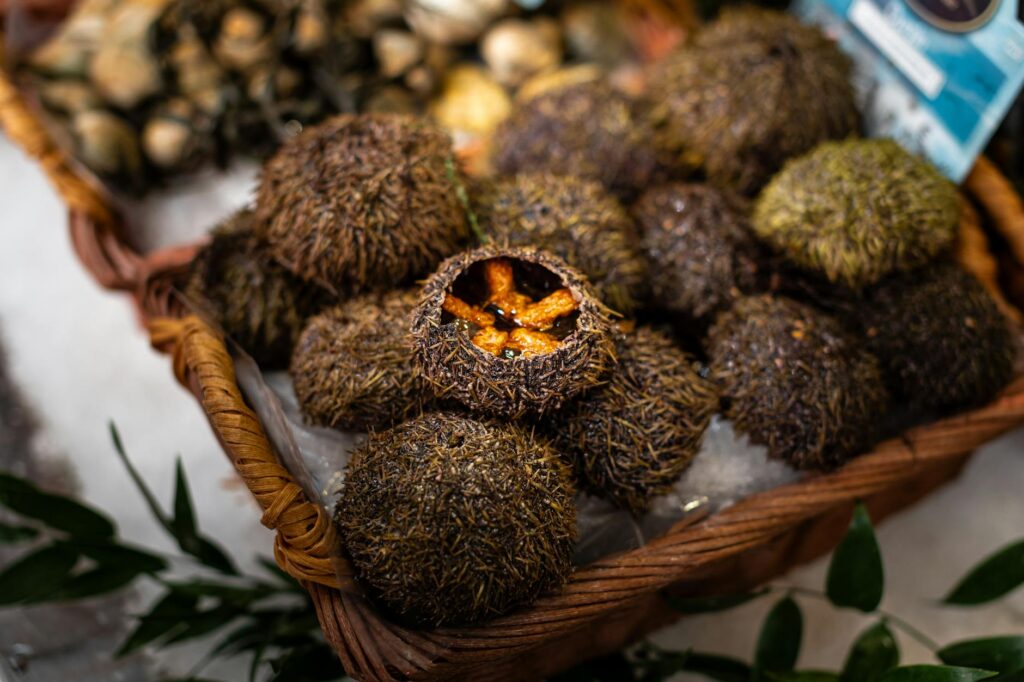
The History of Sea Urchin
Introduction
Sea urchins, often regarded as a delicacy in various culinary traditions, have a rich history that intertwines with human culture, gastronomy, and marine biology. Found in oceans worldwide, these spiny echinoderms have been harvested and consumed for thousands of years. Their unique flavor and texture have made them a sought-after ingredient, particularly in gourmet cuisine. This article delves into the history of sea urchins, exploring their origins, production methods, culinary uses, and some common misconceptions associated with them.
What Is About?
Sea urchins belong to the class Echinoidea, characterized by their round, spiny bodies and a hard shell called a test. They inhabit various ocean environments, from shallow coastal waters to deep-sea ecosystems. The edible part of the sea urchin is its gonads, commonly referred to as “uni” in Japanese cuisine. Their flavor is often described as briny, sweet, and creamy, making them a prized ingredient in sushi and other high-end culinary applications.
History and Origins
Sea urchins have been part of human diets since ancient times. Archaeological evidence suggests that they were consumed by various indigenous cultures, including the Native Americans of the Pacific Northwest and the ancient Greeks and Romans. In Japan, where uni has become a staple of haute cuisine, sea urchins have been harvested for centuries, with references to their consumption dating back to the 8th century. They are often associated with seasonal festivals and are celebrated for their rich, oceanic flavor.
The culinary interest in sea urchins grew significantly during the Edo period (1603-1868) in Japan, when sushi began to evolve into the art form we know today. The rise of sushi culture contributed to the popularity of uni, which became a symbol of luxury and refinement. The technique of harvesting sea urchins also advanced during this time, with divers using traditional methods to gather them from rocky coastal areas.
In the 20th century, the global demand for sea urchins expanded beyond Japan. As culinary trends began to embrace global flavors, chefs and food enthusiasts around the world started to recognize the unique attributes of uni. This increasing popularity has led to both wild harvesting and aquaculture efforts in various regions, including North America and Europe.
Production and Processing
The production and processing of sea urchins involve careful harvesting and handling to maintain their quality. Wild harvesting is typically done by divers who collect the urchins from the ocean floor. The timing of the harvest is crucial, as sea urchins are most flavorful during specific seasons when their gonads are fully developed.
After harvesting, sea urchins are typically processed quickly to preserve their freshness. The urchins are opened, and the edible gonads are extracted. This delicate process requires skill, as the gonads are fragile and can be easily damaged. Once extracted, the uni is often rinsed in seawater to remove any impurities. It can then be packed in containers and refrigerated or frozen for distribution.
Aquaculture has emerged as a sustainable alternative to wild harvesting, particularly in regions where overfishing poses a threat to wild populations. Farms cultivate sea urchins in controlled environments, allowing for consistent quality and reduced pressure on wild stocks. Sustainable farming practices are essential to ensure the long-term viability of sea urchin populations.
Quality and Grading
The quality of sea urchin is determined by several factors, including size, color, flavor, and texture. The grading process typically categorizes uni into several classes based on these attributes. Higher grades usually feature vibrant color, a creamy texture, and a rich, briny flavor.
In Japan, the grading system is particularly refined. The highest grade, known as “Noble Uni,” is characterized by its bright yellow color and delicate flavor. Lower grades may exhibit darker colors or a less desirable texture. Consumers and chefs often seek out higher-grade uni for its superior taste and visual appeal, making it a prime choice for sushi and sashimi presentations.
Buying Considerations
When purchasing sea urchins, there are several factors consumers should consider to ensure they are receiving the best quality product. First, sourcing from reputable suppliers is essential. Look for vendors who prioritize sustainable harvesting and offer fresh, high-quality uni.
Freshness is a critical consideration; ideally, uni should be consumed shortly after extraction. When buying whole sea urchins, ensure that they feel heavy for their size and that the spines are intact, indicating freshness. For pre-packaged uni, check for any signs of discoloration or off-odors, which may indicate spoilage.
Additionally, understanding the seasonality of sea urchins can aid in making informed purchasing decisions. Different species of sea urchins peak at various times throughout the year, and knowing when to buy can enhance the gastronomic experience.
Uses and Applications
Sea urchins have a diverse range of culinary applications, particularly in gourmet cuisine. In Japan, uni is often served raw as sashimi or sushi, showcasing its delicate flavor. It pairs well with simple accompaniments such as soy sauce, wasabi, or a sprinkle of sea salt to enhance its natural taste.
Beyond traditional Japanese dishes, chefs around the world incorporate sea urchins into various culinary creations. They can be blended into sauces, used as a topping for pasta, or incorporated into seafood dishes to add depth and complexity. The creamy texture of uni makes it a popular choice for emulsions and dressings, providing a unique umami flavor.
In addition to its culinary uses, sea urchins also play a role in the broader context of marine ecosystems. They are essential for maintaining the balance of underwater habitats, as they feed on algae and help prevent overgrowth that can harm coral reefs. This ecological importance has prompted discussions about sustainable practices in sea urchin harvesting.
Storage and Shelf Life
Proper storage of sea urchins is critical to maintaining their quality and flavor. Fresh uni should ideally be consumed within a few days of harvesting. When storing, keep the uni refrigerated at temperatures between 32°F to 38°F (0°C to 3°C) in a sealed container to prevent exposure to air and contaminants.
If you plan to store whole sea urchins, keep them in a cool, moist environment, ideally submerged in seawater or wrapped in damp seaweed. This method helps maintain their freshness until you are ready to prepare them. When stored properly, fresh sea urchins can last up to a week, although their flavor and texture may begin to deteriorate after a few days.
For long-term storage, uni can be frozen, though the texture may change upon thawing. It is best to freeze uni in small portions, ensuring it is well-sealed to prevent freezer burn.
Common Misconceptions
Despite their popularity, there are several misconceptions surrounding sea urchins. One common myth is that all sea urchins are edible. While many species are indeed safe to eat, some can be toxic or have unpleasant flavors. It is essential for consumers to source sea urchins from reputable suppliers who can ensure the safety and quality of the product.
Another misconception is that sea urchins are only suitable for high-end cuisine. While they are certainly a luxury ingredient, sea urchins can also be incorporated into everyday dishes, allowing a broader audience to enjoy their unique flavor.
Lastly, some people believe that sea urchins are difficult to prepare at home. While harvesting and processing them require skill, many seafood markets offer pre-cleaned uni, making it easier for consumers to incorporate this ingredient into their meals without the need for specialized techniques.
Frequently Asked Questions
1. Are all sea urchins edible?
No, not all sea urchins are edible. Some species can be toxic or have a very unpleasant flavor. It is essential to source sea urchins from reputable suppliers to ensure safety.
2. How do you know if sea urchin is fresh?
Fresh sea urchins should feel heavy for their size, have intact spines, and possess a clean, briny smell. When purchasing pre-packaged uni, check for vibrant color and avoid any signs of discoloration or off-odors.
3. Can sea urchins be farmed sustainably?
Yes, sea urchins can be farmed sustainably. Aquaculture practices allow for responsible harvesting and cultivation, reducing pressure on wild stocks and promoting environmental stewardship.
4. How should sea urchins be stored?
Fresh uni should be refrigerated and consumed within a few days. Whole sea urchins can be kept in a cool, moist environment. For long-term storage, uni can be frozen in small portions.
5. What dishes commonly feature sea urchin?
Sea urchin is commonly featured in sushi and sashimi, but it can also be used in pasta dishes, sauces, and seafood entrees to add depth and richness.
6. Is sea urchin suitable for everyday cooking?
While often considered a luxury ingredient, sea urchin can be incorporated into everyday dishes, making it accessible for a broader audience to enjoy its unique flavor.
Conclusion
The history of sea urchins is a testament to their culinary significance and ecological importance. From ancient cultures to modern culinary artistry, these spiny marine creatures have captivated palates worldwide. Understanding their origins, production, and culinary applications not only enhances appreciation for this unique ingredient but also emphasizes the importance of sustainable practices to ensure their continued availability for future generations. Whether indulging in a delicate plate of sashimi or experimenting with innovative recipes, sea urchins offer a taste of the ocean that is truly unparalleled.