
The History of Sun-Dried Tomatoes
Introduction
Sun-dried tomatoes are a culinary delight that has transcended borders and cultures, offering an intense burst of flavor that elevates dishes across the globe. These vibrant, chewy morsels are not merely a modern ingredient; they are steeped in history, with roots that trace back centuries. This article delves deeply into the fascinating journey of sun-dried tomatoes, exploring their origins, production methods, and the myriad ways they can be used in contemporary cuisine.
What Is About?
Sun-dried tomatoes are tomatoes that have been dried in the sun, resulting in a concentrated flavor and a chewy texture. This preservation method enhances the natural sweetness of the tomatoes, making them a popular ingredient in various dishes, from salads to sauces. While they can be found in jars packed in oil or as dried products, their essence remains the same: a testament to the age-old practice of food preservation.
History and Origins
The practice of drying tomatoes can be traced back to ancient civilizations, particularly in regions with abundant sunlight and a penchant for culinary innovation. The earliest records of sun-dried tomatoes date to the Italian countryside, particularly in the southern regions like Campania and Apulia, where the sun’s rays provided the perfect conditions for drying.
In ancient Rome, tomatoes were not yet cultivated as they are today, but the concept of preserving fruits and vegetables through drying was well established. It was only after the introduction of tomatoes from the Americas in the 16th century that this preservation method was applied to this new fruit. By the 18th century, sun-dried tomatoes became a popular ingredient in Italian cuisine, particularly in rustic dishes that celebrated the region’s agricultural bounty.
The practice of drying tomatoes spread throughout the Mediterranean, influencing culinary traditions in Spain, France, and Greece. Each culture adapted the technique to suit local tastes and ingredients, leading to a variety of sun-dried tomato products that we recognize today.
Production and Processing
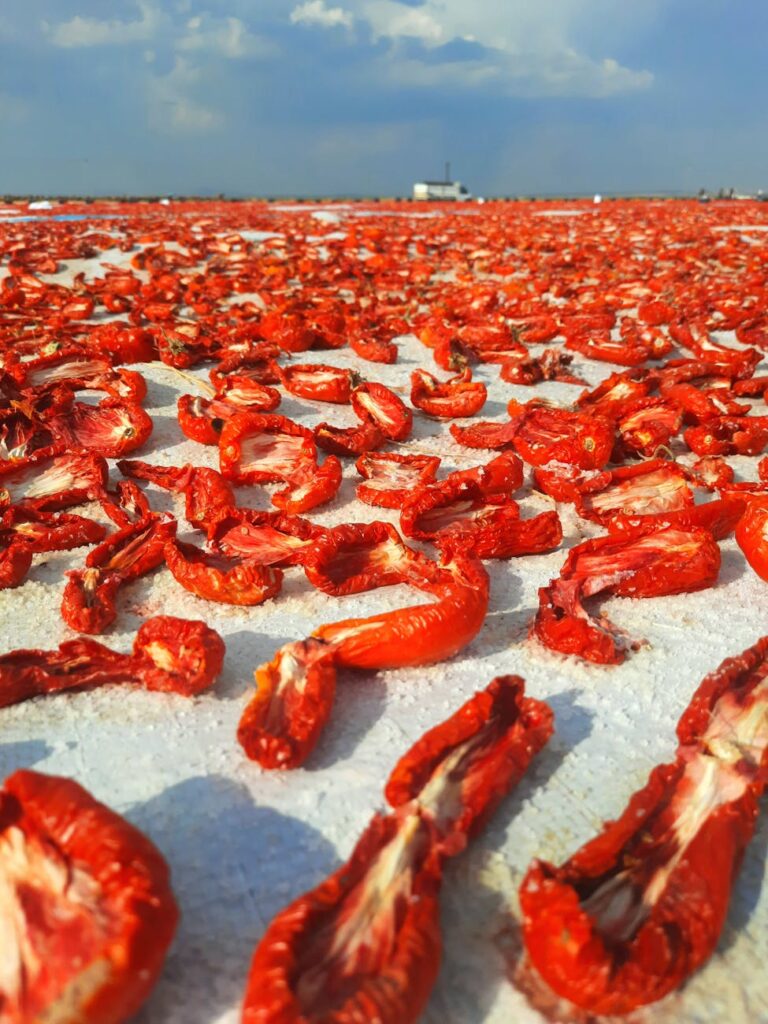
The process of creating sun-dried tomatoes is relatively straightforward yet requires careful attention to detail. The journey begins with the selection of high-quality tomatoes, typically the Roma variety, known for their low moisture content and rich flavor. After washing and slicing the tomatoes, they are laid out in the sun on drying racks or trays.
The drying process can take several days, depending on the climate and humidity levels. Tomatoes are left to bask in the sun, where the heat evaporates the moisture, concentrating their sugars and flavors. For those unable to take advantage of natural sunlight, modern technology has introduced dehydrators and ovens as alternatives.
Once dried, the tomatoes can be stored in various forms—packed in oil, vacuum-sealed, or kept dry. Each method of preservation offers unique flavors and textures, catering to different culinary applications.
Quality and Grading
When it comes to sun-dried tomatoes, quality is paramount. Various factors contribute to the grading of these tomatoes, including color, texture, and moisture content. Premium sun-dried tomatoes should exhibit a bright red hue, a chewy yet tender texture, and minimal signs of spoilage.
In general, sun-dried tomatoes are categorized into two main types: oil-packed and dry-packed. Oil-packed sun-dried tomatoes are typically preserved in olive oil, which not only enhances their flavor but also extends their shelf life. Dry-packed sun-dried tomatoes, on the other hand, are dehydrated without any additional oil, making them a healthier option, though they may require rehydration before use.
Consumers should look for reputable brands and check for certifications that indicate quality, such as organic or non-GMO labels. Additionally, it is wise to inspect the packaging for any signs of damage or air exposure, which can compromise the tomatoes’ freshness.
Buying Considerations
When purchasing sun-dried tomatoes, consider the following factors to ensure you select the best product:
1. Form: Decide between oil-packed and dry-packed, depending on your culinary needs and preferences.
2. Origin: Some regions are known for producing superior sun-dried tomatoes, particularly those from Italy or California.
3. Ingredients: Check for additives or preservatives; high-quality sun-dried tomatoes should have minimal ingredients, ideally just tomatoes and salt.
4. Packaging: Look for vacuum-sealed or airtight packaging to maintain freshness.
5. Price: While higher prices may suggest better quality, it is important to compare brands and products to find a balance between cost and quality.
Uses and Applications
Sun-dried tomatoes are incredibly versatile and can be incorporated into a wide range of dishes. Their concentrated flavor makes them an excellent addition to:
- Pasta Dishes: Chopped sun-dried tomatoes can be added to sauces or tossed with pasta for a burst of flavor.
- Salads: They can be rehydrated and included in salads, providing a chewy texture that contrasts beautifully with fresh greens.
- Pizzas and Flatbreads: Sun-dried tomatoes offer a rich, savory note that enhances the overall flavor profile.
- Dips and Spreads: Blending sun-dried tomatoes into creamy dips or spreads adds depth and complexity.
- Stuffed Proteins: They can be used as a stuffing ingredient in chicken or fish, offering a Mediterranean flair.
Moreover, their versatility extends to international cuisines, where they can be found in Middle Eastern, Asian, and American dishes, showcasing their global appeal.
Storage and Shelf Life
Proper storage is essential for maintaining the quality of sun-dried tomatoes. Oil-packed varieties should be kept in the refrigerator after opening and can last for several weeks to months, depending on the oil used and the absence of preservatives. Dry-packed sun-dried tomatoes should be stored in a cool, dark place in an airtight container. When kept dry, they can last for up to a year.
Rehydrating dry-packed sun-dried tomatoes is straightforward; they