
The History of Thai Basil
Introduction
Thai basil, known scientifically as Ocimum basilicum var. thyrsiflora, is a culinary herb that plays a pivotal role in Southeast Asian cuisine, particularly in Thai dishes. Revered for its unique flavor profile, which combines sweet, spicy, and anise-like notes, Thai basil is not just a popular ingredient but also a symbol of the rich cultural tapestry of Thai gastronomy. This article delves into the history, origins, production, and multifaceted uses of Thai basil, providing a comprehensive overview of this aromatic herb.
What Is Thai Basil?
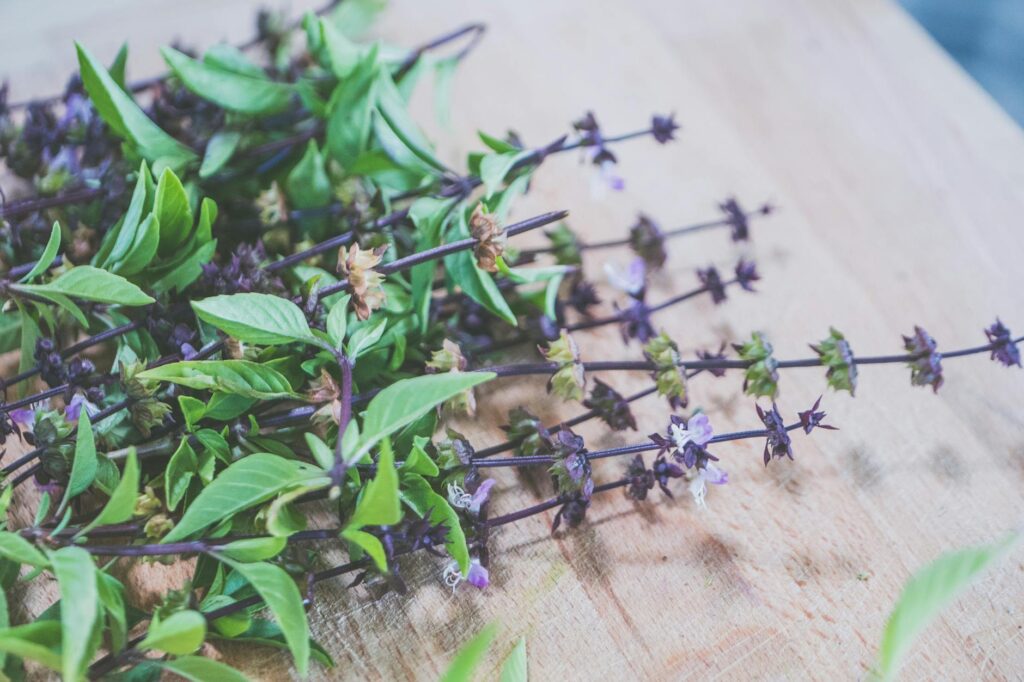
Thai basil is a variety of basil distinct from the more commonly known sweet basil (Ocimum basilicum). The plant can be identified by its pointed leaves, purple stems, and small purple flowers. Thai basil possesses a more robust and spicy flavor than its sweet counterpart, making it a preferred choice for various Thai dishes, including curries, stir-fries, and salads. Its aromatic qualities are further enhanced when cooked, releasing a scent that is both fragrant and savory.
History and Origins
The origins of Thai basil can be traced back to Southeast Asia, where it has been cultivated for centuries. Though the exact timeline is challenging to pin down, it is believed that basil in general was domesticated around 2,000 years ago in regions spanning from India to Iran. Over time, different varieties emerged, adapting to local climates and culinary traditions.
Thai basil is thought to have been introduced to Thailand during the Ayutthaya Kingdom, which flourished from the 14th to the 18th centuries. During this period, trade routes expanded, bringing in various herbs and spices from neighboring countries. The unique flavor of Thai basil quickly found its place in the local cuisine, becoming an essential ingredient in many traditional Thai dishes.
The herb’s presence in Thai culture extends beyond mere culinary use; it is often featured in Buddhist rituals and traditional medicine. Thai basil is considered auspicious, symbolizing good fortune and prosperity. Its incorporation into religious practices showcases its significance in the spiritual and cultural dimensions of Thai life.
Production and Processing
Thai basil is primarily grown in tropical and subtropical regions, with Thailand being the largest producer. Other countries that cultivate this herb include Vietnam, Cambodia, and parts of the United States, particularly California. The plant thrives in well-drained soil, requiring ample sunlight and warm temperatures to flourish.
Cultivation begins with the selection of high-quality seeds, which are usually sown in nurseries before being transplanted into fields. Farmers often employ organic farming techniques, avoiding synthetic pesticides and fertilizers to preserve the herb’s natural flavors and aromatic properties. Harvesting typically occurs when the plants reach about 12 to 18 inches in height, with the leaves being cut by hand to ensure minimal damage to the plant.
Once harvested, Thai basil is processed for distribution. The leaves may be packaged fresh, dried, or frozen to extend their shelf life. Fresh Thai basil is often sold in bunches at local markets, while dried and frozen varieties are available in grocery stores worldwide. The preservation methods vary, with careful attention to maintaining the herb’s flavor and aroma during processing.
Quality and Grading
The quality of Thai basil is determined by several factors, including appearance, aroma, and flavor intensity. High-quality Thai basil should have vibrant green leaves, free from blemishes or discoloration. The leaves should be firm and aromatic, indicating freshness and optimal flavor.
Grading systems vary by region and market, but generally, Thai basil is classified into two main categories: fresh and dried. Fresh Thai basil is usually graded based on leaf size and overall appearance, while dried basil may be evaluated based on color, aroma, and flavor concentration. Consumers should look for products that are free from additives and preservatives to ensure they are purchasing authentic Thai basil.
Buying Considerations
When purchasing Thai basil, several factors should be taken into account to ensure the highest quality:
1. Freshness: Look for vibrant green leaves with no signs of wilting or browning. Fresh basil should also have a strong, fragrant aroma.
2. Source: Consider buying from local farmers’ markets or organic sources to support sustainable farming practices and ensure the herb is free from harmful chemicals.
3. Form: Decide whether you prefer fresh, dried, or frozen Thai basil. Fresh basil is ideal for cooking, while dried forms are suitable for long-term storage and convenience.
4. Packaging: Check for proper packaging that protects the herb from moisture and light, which can degrade its quality.
5. Seasonality: Thai basil is typically more abundant during the warmer months. Purchasing in-season can enhance the chances of acquiring fresher products.
Uses and Applications
Thai basil is a versatile herb that lends itself to a variety of culinary applications. Its distinctive flavor makes it a staple in many traditional dishes, including:
- Curries: Thai basil is often added to curries, such as green curry or red curry, where it complements the richness of coconut milk and spices.
- Stir-Fries: The herb is commonly used in stir-fried dishes, such as Pad Krapow Moo (stir-fried pork with Thai basil), where its robust flavor stands out against savory ingredients.
- Salads: Fresh Thai basil can be used in salads or as a garnish, adding a refreshing element to dishes like Som Tum (green papaya salad).
- Soups: The herb is frequently included in soups, imparting an aromatic quality that enhances the overall flavor profile.
Beyond Thai cuisine, Thai basil’s unique taste makes it suitable for fusion dishes, cocktails, and even desserts, showcasing its adaptability across diverse culinary landscapes.
Storage and Shelf Life
Proper storage is essential for maintaining the freshness and flavor of Thai basil. Fresh basil should be stored in a cool, dry place, preferably in the refrigerator.