
The History of Zucchini
Introduction
Zucchini, a summer squash belonging to the Cucurbitaceae family, has gained immense popularity in global cuisines. Recognized for its versatility, mild flavor, and low-calorie profile, zucchini has transcended its humble origins to become a staple in various culinary traditions. This article delves into the rich history of zucchini, exploring its origins, cultivation, uses, and much more.
What Is Zucchini?
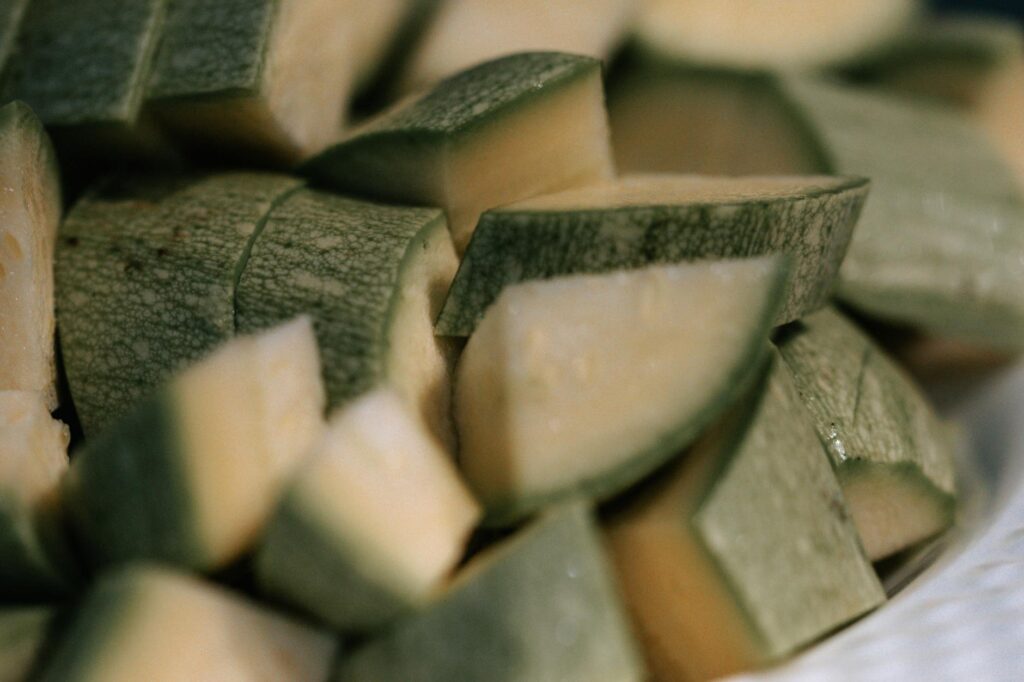
Zucchini, scientifically known as Cucurbita pepo, is a type of summer squash characterized by its green skin and creamy flesh. Although it can be consumed at various stages of ripeness, it is most commonly harvested when immature, at about 6 to 8 inches long. Zucchini can be enjoyed raw, grilled, sautéed, or baked, making it a versatile ingredient in both savory and sweet dishes. It is often mistaken for a vegetable but is botanically classified as a fruit due to its seed-bearing structure.
History and Origins
The history of zucchini can be traced back to the Americas. Indigenous peoples cultivated various types of squash for thousands of years. Archaeological evidence suggests that squashes, including zucchini’s ancestors, were domesticated in Mesoamerica around 10,000 years ago.
Zucchini itself is believed to have been developed in Italy in the late 19th century. Italian immigrants brought this variety of squash to the United States in the early 20th century. Its name derives from the Italian word “zucchina,” a diminutive of “zucca,” meaning squash.
The popularity of zucchini surged in the United States during the 1930s and 1940s, coinciding with the rise of home gardening. Its ease of cultivation and prolific yield made it an attractive option for home gardeners and commercial growers alike. By the late 20th century, zucchini had become a key component of American cuisine, appearing in everything from stir-fries to baked goods.
Production and Processing
Zucchini thrives in warm climates, making it primarily a summer crop. It is commonly grown in North America, Europe, and parts of Asia. The ideal growing conditions include well-drained soil, full sunlight, and a temperature range of 70°F to 95°F (21°C to 35°C).
The production process begins with selecting high-quality seeds, which are planted in prepared soil. As the plants grow, they require regular watering and maintenance to prevent pests and diseases. Harvesting usually occurs within 6 to 8 weeks after planting, when the zucchini is still immature.
After harvesting, zucchinis are typically cleaned and sorted based on size and quality. They are often packaged for distribution to grocery stores and markets. Processing methods can include freezing, pickling, or dehydrating, allowing for year-round availability.
Quality and Grading
Quality and grading are essential for ensuring that consumers receive fresh and nutritious zucchini. The United States Department of Agriculture (USDA) has established guidelines for grading zucchini based on size, shape, color, and skin texture.
- Grade A: These zucchinis display a consistent green color, are firm, and free of blemishes or defects. They are typically larger and ideal for retail.
- Grade B: This grade includes zucchinis that may have slight imperfections in color or minor blemishes but are still suitable for consumption.
- Grade C: Zucchini in this category may have significant blemishes or deformities and are generally intended for processing rather than fresh market sales.
- Refrigeration: Store zucchini in the vegetable crisper drawer of your refrigerator, ideally in a perforated plastic bag to allow for air circulation. This will help prevent moisture buildup and prolong freshness.
- Shelf Life: Fresh zucchini can typically last up to one week in the refrigerator. However, it is best consumed within a few days for optimal flavor and texture.
- Freezing: For longer preservation, zucchini
When purchasing zucchini, consumers are encouraged to look for even coloring, firmness, and a glossy skin, which indicates freshness.
Buying Considerations
When buying zucchini, several factors should be taken into account to ensure quality and freshness:
1. Seasonality: Zucchini is at its best during the summer months, and purchasing in-season can yield better flavor and texture.
2. Size: Smaller zucchinis are generally sweeter and more tender. Look for ones that are about 6 to 8 inches long for optimal taste.
3. Skin Condition: Inspect the skin for any signs of soft spots, blemishes, or discoloration. Fresh zucchini should have a firm texture and a vibrant green color.
4. Organic vs. Conventional: Consider whether to purchase organic zucchini, which may be free of synthetic pesticides and fertilizers.
5. Local Sources: Whenever possible, buy from local farmers’ markets or co-ops to support local agriculture and enjoy fresher produce.
Uses and Applications
Zucchini is incredibly versatile and can be incorporated into a wide array of dishes. It can be consumed raw in salads, spiralized into noodles, or cooked in stir-fries, casseroles, and soups.
In recent years, zucchini has gained popularity as a low-carb alternative to traditional pasta, often referred to as “zoodles.” Its ability to absorb flavors makes it an excellent addition to various sauces and dressings.
Beyond savory applications, zucchini can also be used in baked goods, such as muffins and breads, where it contributes moisture and a subtle sweetness.
In Mediterranean cuisine, zucchini is often grilled, roasted, or stuffed with various fillings. Its adaptability makes it a beloved ingredient across different culinary traditions worldwide.
Storage and Shelf Life
Proper storage of zucchini is crucial to maintain its freshness and flavor. Here are some guidelines to ensure optimal shelf life: