
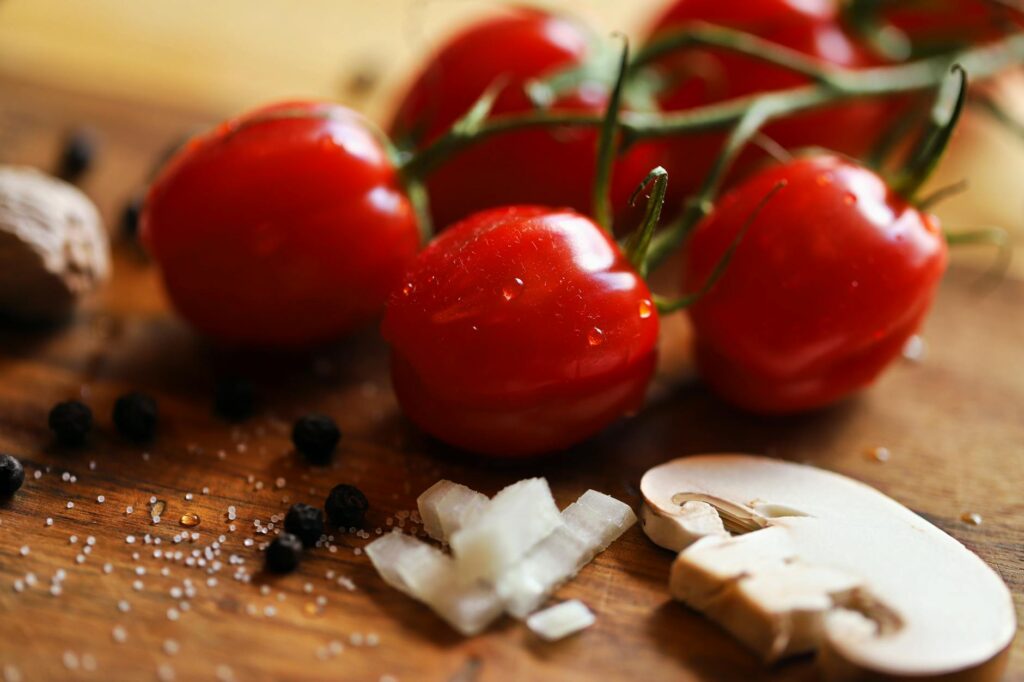
Tomato Growing Guide Part 7
Introduction
Tomatoes are not merely a staple in culinary traditions across the globe; they represent a rich tapestry of agricultural practices, cultural significance, and economic importance. As one of the most widely cultivated vegetables (botanically classified as a fruit), tomatoes are essential not only for their flavor but also for their versatility in various cuisines. This guide delves into the intricacies of tomato growing, exploring its history, production, quality assessment, and more.
What Is Growing?
Growing refers to the process of cultivating plants, including the methods and practices involved in nurturing them from seeds or seedlings to mature plants ready for harvest. In the context of tomatoes, this encompasses a wide range of activities, from soil preparation and planting to watering, fertilization, pruning, and pest management. Understanding the nuances of tomato cultivation is vital for achieving optimal yield and quality.
History and Origins
The tomato’s journey began in western South America, where it was first domesticated by indigenous peoples more than 2,000 years ago. Early varieties were small and varied in color, from yellow to green. The Aztecs and Incas revered the fruit, incorporating it into their diets. The introduction of tomatoes to Europe occurred in the 16th century, following the conquest of the Americas by Spanish explorers. Initially met with skepticism, tomatoes gradually gained acceptance and became integral to Mediterranean cuisine, leading to the development of numerous varieties and culinary applications.
Production and Processing
Cultivation Techniques
Tomatoes thrive in well-drained, nutrient-rich soil with a pH between 6.0 and 6.8. The cultivation process generally includes:
1. Soil Preparation: Incorporating organic matter like compost enhances soil fertility. Tilling the soil helps aerate and prepare it for planting.
2. Seed Selection: Choosing the right variety is crucial. Determinate varieties grow to a certain height and produce all their fruit at once, while indeterminate varieties grow indefinitely and yield over a longer period.
3. Planting: Seedlings are typically started indoors 6-8 weeks before the last frost date. Transplanting outdoors occurs when the soil temperature reaches at least 60°F (15°C).
4. Watering: Consistent moisture is essential, particularly during fruit set. Drip irrigation systems are often employed to minimize water waste and disease.
5. Fertilization: A balanced fertilizer is crucial during the early growth stages, transitioning to a phosphorus-rich fertilizer as flowering begins.
Pest and Disease Management
Tomatoes are susceptible to various pests and diseases, including aphids, whiteflies, and blight. Integrated Pest Management (IPM) strategies, including the use of beneficial insects and organic pesticides, can effectively mitigate these issues. Regular monitoring and crop rotation also play essential roles in maintaining plant health.
Harvesting
Tomatoes should be harvested when they are fully colored and slightly firm to the touch. Depending on the variety, this can range from a deep red to a bright yellow or orange. Harvesting should be done gently to avoid bruising, and it is advisable to pick tomatoes in the morning when the temperatures are cooler.
Quality and Grading
Grading Standards
Quality assessment of tomatoes involves evaluating several factors, including size, color, firmness, and absence of blemishes or defects. The USDA grades tomatoes as U.S. No. 1, U.S. No. 2, and U.S. No. 3, with U.S. No. 1 being the highest quality.
Quality Indicators
- Color: A uniform, rich color is indicative of ripeness and flavor.
- Firmness: Tomatoes should yield slightly to pressure, indicating optimal ripeness without being overly soft.
- Surface Integrity: Look for tomatoes free of cracks, bruises, and discoloration, as these can affect flavor and shelf life.
- Raw Consumption: Fresh tomatoes are a fundamental ingredient in salads, salsas, and sandwiches.
- Cooking: Tomatoes are central to sauces, soups, and stews, providing acidity and depth of flavor.
- Preservation: Canned, dried, or pureed tomatoes are popular methods for extending shelf life, making them available year-round.
- Beverages: Tomato juice and sauces are integral to cocktails like Bloody Marys and culinary applications.
- Room Temperature: Store unripe tomatoes stem-side up in a single layer, away from direct sunlight.
- Refrigeration: If ripe tomatoes are not consumed within a few days, they can be refrigerated for up to a week, but it is advisable to allow them to return to room temperature before eating to restore flavor.
Buying Considerations
When purchasing tomatoes, whether from a grocery store or a farmer’s market, consider the following:
1. Seasonality: Fresh tomatoes are often best during the summer months. Off-season tomatoes may have been imported or grown in greenhouses and may lack flavor.
2. Variety: Different varieties offer unique flavors and uses. Heirloom tomatoes, for example, are prized for their rich taste and diversity.
3. Source: Locally sourced tomatoes tend to be fresher and may have a lower environmental impact compared to imported options.
4. Organic vs. Conventional: Organic tomatoes are grown without synthetic pesticides and fertilizers, which may appeal to consumers seeking more sustainable options.
Uses and Applications
Tomatoes are incredibly versatile and can be used in a myriad of ways:
Storage and Shelf Life
Tomatoes are best stored at room temperature to maintain their flavor and texture. Refrigeration can lead to a loss of flavor and a mealy texture.
Optimal Storage Conditions
Shelf Life
When stored properly, fresh tomatoes can last anywhere from 4 to 14 days, depending on