
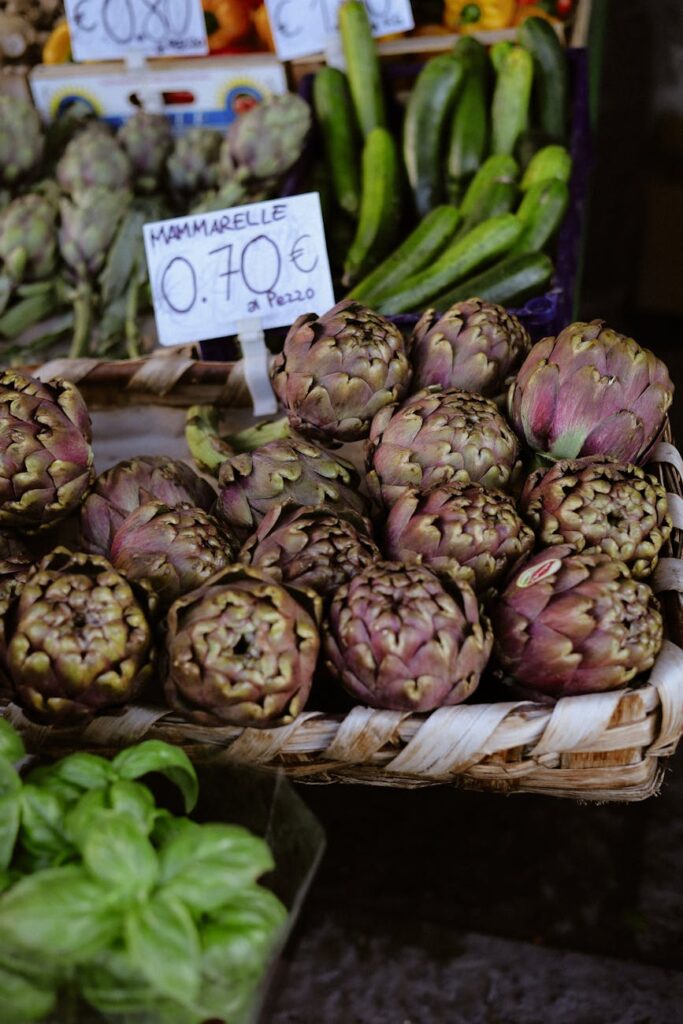
Top Artichoke Producing Regions
Introduction
Artichokes, with their unique flavor and impressive appearance, are a popular ingredient in various culinary traditions around the globe. This perennial thistle, prized for its edible buds, has garnered a reputation not only for its culinary versatility but also for its nutritional benefits. Understanding the regions where artichokes are cultivated provides insight into their flavor profiles, quality, and availability. This article delves into the top artichoke producing regions, exploring their unique characteristics and contributions to the artichoke market.
What Is Regions?
In the context of agricultural ingredients, “regions” refers to specific geographical areas where certain crops are cultivated extensively. These regions often have unique climates, soils, and cultural practices that influence the growth, quality, and flavor of the produce. For artichokes, regions are defined by factors such as climate conditions, soil type, and farming techniques that are best suited for this particular crop.
History and Origins
The artichoke (Cynara scolymus) has a rich history that dates back to ancient civilizations. Originally native to the Mediterranean region, it was cultivated by the ancient Greeks and Romans, who celebrated its culinary and medicinal properties. The artichoke was introduced into other parts of Europe during the 15th and 16th centuries, where it gained popularity in cuisines, particularly in France and Italy.
In the United States, artichokes were introduced in the late 19th century but did not gain widespread popularity until the mid-20th century. California became the primary production state due to its favorable climate, which mimics the Mediterranean conditions where artichokes thrive. Today, the artichoke is cultivated in several regions worldwide, each contributing distinct qualities to the final product.
Production and Processing
The main artichoke producing regions include California, Italy, Spain, and France. Each of these areas has developed specialized growing methods optimized for their unique climates.
California
California dominates the U.S. artichoke market, accounting for over 99% of the nation’s production. The coastal regions, especially around Castroville—often referred to as the “Artichoke Capital of the World”—provide the ideal conditions for cultivating artichokes. The mild climate, fertile soil, and ample water supply contribute to a longer growing season, allowing for multiple harvests throughout the year.
California’s production techniques incorporate both traditional and modern practices. Growers often use drip irrigation to conserve water and improve crop yields. After harvesting, artichokes are processed quickly to maintain freshness, typically involving washing, trimming, and packaging for distribution.
Italy
Italy is renowned for its high-quality artichokes, particularly varieties such as “Carciofo Romano” and “Spinoso” from regions like Lazio and Sicily. The Italian climate, characterized by warm summers and mild winters, is ideal for growing artichokes. Italian growers often employ traditional farming methods, including hand-harvesting, which helps preserve the delicate nature of the buds.
Processing in Italy focuses on maintaining the artichoke’s quality. Many Italian producers offer jarred or marinated artichokes, which are popular in Mediterranean cuisine. These products undergo careful preparation to enhance flavor while ensuring long shelf life.
Spain
Spain is another significant producer of artichokes, particularly in regions like Murcia and Valencia. The “Alcachofa” variety is especially popular and is known for its tender texture and rich flavor. Spanish growers often utilize sustainable farming practices, which cater to both local consumption and international export.
Processing in Spain also includes preservation methods such as canning and pickling, making Spanish artichokes accessible year-round. The emphasis on sustainability and traditional methods has contributed to the country’s reputation for high-quality produce.
France
France, particularly the Provence region, is well-known for its exceptional artichoke varieties, such as “Violet de Provence.” The Mediterranean climate supports the growth of artichokes, and French farmers often focus on organic cultivation methods. The cultural emphasis on artisanal products has led to a resurgence in traditional farming techniques that prioritize flavor and quality.
French artichokes are typically sold fresh in local markets, but they are also processed into specialty products such as pâtés and dips, showcasing their culinary versatility.
Quality and Grading
Artichoke quality is determined by several factors, including size, color, and firmness. Generally, the best quality artichokes are those that have tightly closed buds, vibrant color, and absence of blemishes. In the U.S., the USDA has established grading standards for artichokes, which categorize them into three grades: U.S. No. 1, U.S. No. 2, and U.S. No. 3.
U.S. No. 1
This grade represents the highest quality artichokes, characterized by uniform size and shape, tight buds, and minimal defects. These artichokes are ideal for fresh consumption and premium culinary applications.
U.S. No. 2
These artichokes may exhibit slight imperfections but are still suitable for consumption. They are often used in processed products or for cooking where appearance is less critical.
U.S. No. 3
This grade includes artichokes that may have significant blemishes or irregular shapes. While they may not be suitable for fresh markets, they can still be used in food processing.
In Europe, grading systems may vary, but quality assessments typically focus on similar attributes, emphasizing the importance of visual appeal and freshness.
Buying Considerations
When purchasing artichokes, several factors should be considered to ensure the best quality:
1. Freshness: Look for artichokes with tightly closed buds and vibrant colors. Avoid those with browning or wilted leaves.
2. Size: Choose artichokes based on your intended use. Smaller artichokes are often more tender, while larger ones may have a more robust flavor.
3. Variety: Different varieties offer unique flavors and textures. Familiarize yourself with the types available in your region to make informed choices.
4. Origin: Knowing where your artichokes come from can help you assess their quality. Regions known for premium production, such as California and Italy, often yield superior products.
5. Organic vs. Conventional: Organic artichokes may be preferred for those looking for sustainably grown produce. Check for certification labels to ensure compliance with organic standards.
Uses and Applications
Artichokes are remarkably versatile and can be enjoyed in various culinary applications. They can be prepared in numerous ways, including steaming, boiling, grilling, and roasting.
Culinary Uses
1. Appetizers: Artichokes can be served as a standalone appetizer, often accompanied by dipping sauces like aioli or vinaigrette.
2. Salads: Fresh or marinated artichokes make excellent additions to salads, providing texture and flavor.
3. Pasta Dishes: Artichokes can be incorporated into pasta dishes, enhancing the overall flavor profile with their unique taste.
4. Casseroles and Dips: Artichokes are commonly used in baked dishes and dips, adding richness and depth to recipes.
5. Preservation: Pickled and jarred artichokes are popular in many cuisines and provide a way to enjoy this ingredient year-round.
Storage and Shelf Life
Proper storage of artichokes is crucial to maintaining their quality. Fresh artichokes should be stored in the refrigerator, ideally in a perforated plastic bag to allow for air circulation. When stored correctly, they can last for about 3 to 7 days.
For processed artichokes, such as canned or jarred varieties, check the expiration dates and store them in a cool, dry place. Once opened, these products should be refrigerated and consumed within a few days for optimal flavor and freshness.
Common Misconceptions
Despite their popularity, several misconceptions about artichokes persist:
1. Artichokes Are Vegetables: While often categorized as vegetables, artichokes are technically the flower buds of a thistle plant.
2. You Can Only Eat the Heart: Many people believe that only the heart of the artichoke is edible. In reality, the leaves and stem are also edible and can be enjoyed in various dishes.
3. Artichokes Are Difficult to Prepare: While they may seem intimidating, preparing artichokes is relatively simple. A few basic techniques can yield delicious results.
4. All Artichokes Taste the Same: Different varieties of artichokes have distinct flavors and textures, making each unique.
Frequently Asked Questions
1. How do I choose the best artichokes at the store?
Look for artichokes with tight, compact buds and vibrant colors. Avoid those with browning or dry leaves.
2. How do I cook artichokes?
Artichokes can be steamed, boiled, grilled, or roasted. The cooking method often depends on the desired texture and flavor profile.
3. Can I eat the leaves of the artichoke?
Yes, the leaves are edible and can be enjoyed by scraping the tender flesh off with your teeth.
4. How long do artichokes last in the fridge?
When stored properly in the refrigerator, fresh artichokes can last between 3 to 7 days.
5. Are there different varieties of artichokes?
Yes, there are numerous varieties, including the Globe, Baby, and Jerusalem artichokes, each with unique features and flavors.
6. What are some common uses for artichokes in cooking?
Artichokes can be used in salads, pasta dishes, dips, and appetizers, making them a versatile ingredient in various cuisines.
In conclusion, understanding the top artichoke producing regions provides valuable insights into the diverse flavors, quality, and culinary applications of this remarkable ingredient. Whether used fresh, preserved, or cooked, artichokes continue to captivate chefs and home cooks alike, making them a staple in kitchens around the world.