
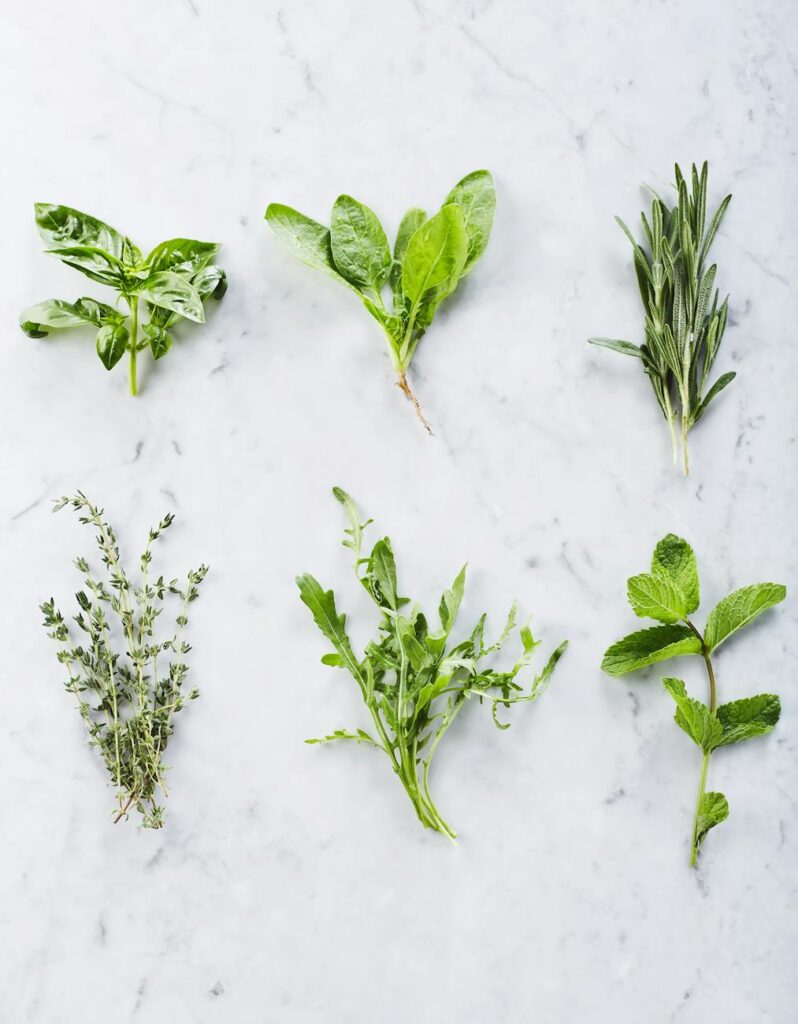
Top Arugula Producing Regions
Introduction
Arugula, also known as rocket or salad rocket, has gained significant popularity in global cuisine, thanks to its distinctive peppery flavor and nutritional benefits. This leafy green is often used in salads, sandwiches, and as a garnish, making it an essential ingredient in various culinary traditions. Understanding where arugula is produced can enhance appreciation for this versatile green. This article delves into the top arugula-producing regions around the world, exploring their unique characteristics and contributions to the culinary landscape.
What Is Regions?
In the context of agricultural production, “regions” refer to specific geographical areas known for cultivating particular crops. These areas often possess unique climatic conditions, soil types, and farming practices that contribute to the quality and yield of the crops grown there. For arugula, certain regions have become renowned for their ability to produce high-quality greens, influenced by factors such as climate, farming techniques, and local culinary traditions.
History and Origins
Arugula (Eruca sativa) has a rich history, tracing back to the Mediterranean region, where it was cultivated by the Romans and Greeks. Initially valued for its medicinal properties, arugula’s culinary applications became prominent over time. The plant was introduced to various cultures, adapting to local palates and agricultural practices.
During the Renaissance, arugula gained popularity across Europe, particularly in Italy, where it was often featured in salads and paired with cheese. The 20th century saw a resurgence of interest in arugula, particularly in North America, where it was embraced by health-conscious consumers and gourmet chefs alike. As a result, arugula is now cultivated in numerous countries, each contributing distinct characteristics to this widely appreciated leafy green.
Production and Processing
Key Producing Regions
1. Italy: Often regarded as the birthplace of arugula, Italy remains a key producer, particularly in regions like Emilia-Romagna and Liguria. The Mediterranean climate, characterized by mild winters and warm summers, contributes to the robust flavor of Italian arugula.
2. United States: California is the leading state for arugula production in the U.S., particularly in the Salinas Valley, known for its fertile soil and optimal growing conditions. Other states like New Jersey and Texas also contribute to the domestic supply.
3. Spain: Spain’s diverse climate allows for year-round cultivation of arugula, particularly in regions such as Andalusia and Valencia. The Spanish variety often has a milder flavor, appealing to different culinary preferences.
4. France: In France, particularly in regions like Provence, arugula is cultivated for both local consumption and export. French arugula often has a more delicate flavor, making it a favorite in gourmet dishes.
5. Australia: In recent years, arugula has gained traction in Australia, particularly in regions like Victoria and New South Wales. Australian growers focus on organic farming practices, appealing to a growing market of health-conscious consumers.
Processing Techniques
Once harvested, arugula is typically processed minimally to maintain its freshness. This often involves washing, sorting, and packaging. Some producers may employ hydro-cooling methods to quickly reduce the temperature of the greens, extending their shelf life.
Quality and Grading
The quality of arugula is influenced by several factors, including the cultivation methods, soil quality, and post-harvest handling. Quality indicators include:
- Color: Fresh arugula should have a vibrant green color, indicative of high chlorophyll content.
- Texture: Leaves should be crisp and firm, without wilting or bruising.
- Flavor: High-quality arugula possesses a robust, peppery flavor, which can vary based on the growing conditions and region.
- Seasonality: Arugula is typically best in the cooler months, as it can become bitter in hot weather.
- Source: Look for arugula sourced from reputable farms known for sustainable practices. Local farmers’ markets often provide access to freshly harvested greens.
- Organic Certification: If possible, select organic arugula to avoid pesticide residues and support environmentally friendly farming.
- Salads: The peppery taste of arugula makes it a popular base for salads, often combined with other greens, fruits, nuts, and cheeses.
- Garnishes: Its striking appearance and flavor make arugula an excellent garnish for meats, seafood, and pasta dishes.
- Pesto: Arugula can be blended into pesto, providing a unique twist on the traditional basil version.
- Sandwiches and Wraps: Its crisp texture adds depth to sandwiches and wraps, enhancing both flavor and nutritional value.
- Refrigeration: Keep arugula in the refrigerator, ideally in a crisper drawer. Use perforated plastic bags to allow for airflow while retaining moisture.
- Hydration: If the leaves begin to wilt, a quick soak in cold water can revive them. However, avoid washing arugula until just before use to prevent moisture accumulation that can lead to spoilage.
- Shelf Life: Fresh arugula can last up to a week in the refrigerator when stored properly, although its flavor and texture are best enjoyed within a few days of purchase.
Grading often occurs before packaging, with higher grades reserved for premium markets. Quality control measures ensure that only the best products reach consumers, thus supporting the reputation of arugula from specific regions.
Buying Considerations
When purchasing arugula, consider the following factors to ensure quality and freshness:
Uses and Applications
Arugula is a versatile ingredient used in various culinary applications:
Storage and Shelf Life
To maximize the shelf life of arugula, store it properly:
Common Misconceptions
Misconception 1: Arugula is the Same as Mustard Greens
While arugula and mustard greens share a peppery flavor, they are distinct plants. Arugula belongs to the Brassicaceae family, while mustard greens come from different genera. The taste and texture of each vary significantly.
Misconception 2: Arugula is Only Used in Salads
Although arugula is often associated with salads, it can be utilized in a wide range of dishes, including cooked preparations. Its flavor can add depth to soups, stir-fries, and pasta dishes.
Misconception 3: Arugula is Only Available in Spring
While arugula is often at its peak in spring, it can be grown in various climates and is available year-round in many regions. Understanding the local growing seasons can help consumers access fresh arugula throughout the year.
Frequently Asked Questions
1. What is the best way to wash arugula?
Wash arugula gently under cold running water. Use a salad spinner to remove excess moisture before storing or using it in dishes.
2. How do I know if arugula is fresh?
Fresh arugula should have vibrant green leaves that are crisp, not wilted or yellowing. A strong, peppery aroma is also a sign of freshness.
3. Can I grow arugula at home?
Yes, arugula is relatively easy to grow at home. It thrives in well-drained soil and can be sown directly into garden beds or containers, making it an excellent choice for home gardeners.
4. Is arugula the same as baby arugula?
Baby arugula refers to young leaves harvested early in the growth cycle. It has a milder flavor and more tender texture compared to mature arugula, making it a popular choice for salads.
5. What are the nutritional benefits of arugula?
Arugula is low in calories and high in vitamins A, C, and K, as well as folate and calcium. Its nutrient density makes it a valuable addition to a balanced diet.
6. Can I substitute arugula for other greens in recipes?
Arugula can be substituted for other leafy greens like spinach or kale in most recipes, though the flavor profile will differ. Consider the dish’s overall taste when making substitutions.
Conclusion
Arugula is more than just a salad green; it is a culinary staple that reflects the agricultural heritage of various regions. From the sun-kissed fields of Italy to the innovative farms of California, arugula continues to thrive and adapt, offering its unique flavor and nutritional benefits to global cuisine. Understanding the top producing regions and the factors that influence arugula’s quality can enhance appreciation for this versatile ingredient and inspire culinary creativity.