
Top Bok Choy Producing Regions
Introduction
Bok choy, a member of the Brassica family, is celebrated for its tender, crunchy leaves and mild flavor. This versatile vegetable, also known as Chinese cabbage, is a staple in many Asian cuisines and has gained popularity worldwide. Understanding the global landscape of bok choy production is essential for culinary professionals, food enthusiasts, and anyone interested in the agricultural practices that supply this nutritious ingredient. This article delves into the top bok choy producing regions, offering insights into their unique characteristics and contributions to the global market.
What Is Regions?
In the context of agricultural production, “regions” refer to specific geographical areas where particular crops are cultivated. These regions can vary significantly in climate, soil composition, agricultural practices, and cultural influences. Each of these factors plays a crucial role in determining the quality, flavor, and marketability of crops such as bok choy. Recognizing the distinct characteristics of different bok choy-producing regions helps consumers appreciate the nuances in taste and texture that can arise from diverse growing conditions.
History and Origins
Bok choy has deep historical roots, with origins tracing back to China over 5,000 years ago. It is believed to have been cultivated in the Yangtze River Delta region, where favorable climatic conditions allowed for its proliferation. As trade routes expanded, bok choy spread to other parts of Asia and eventually made its way to the Western world.
Historically, bok choy was primarily grown in China and other East Asian countries. However, increased globalization and the rising demand for Asian cuisines in the West have led to its cultivation in various regions around the globe. Today, bok choy is grown not only in Asia but also in North America, Europe, and Australia, adapting to diverse agricultural practices and climates.
Production and Processing
Key Producing Regions
1. China: As the largest producer of bok choy, China accounts for over 90% of the global supply. The provinces of Shandong, Jiangsu, and Guangdong are particularly notable for their extensive bok choy farms. The climate, characterized by warm summers and mild winters, allows for multiple growing seasons, leading to a consistent supply.
2. United States: In the U.S., California is the primary state for bok choy production, particularly in the Salinas Valley. The Mediterranean climate, with its cool, foggy mornings and warm afternoons, creates favorable conditions for growing bok choy. Additionally, regions such as New York and New Jersey have also begun to increase their bok choy production, catering to the growing demand in local markets.
3. Japan: Known locally as “hakusai,” bok choy is a staple in Japanese cuisine. The country is an important producer, with regions like Hokkaido and Nagano focusing on high-quality cultivation techniques that prioritize flavor and texture.
4. South Korea: Bok choy is widely cultivated in South Korea, where it is often used in traditional dishes such as kimchi. The Jeolla and Gyeongsang provinces are significant contributors to the nation’s bok choy output.
5. Australia: In Australia, bok choy is primarily grown in Queensland and New South Wales. The country’s temperate climate supports year-round cultivation, and local producers often emphasize organic practices.
Agricultural Practices
Effective bok choy production relies on various agricultural practices including crop rotation, soil management, and pest control. Farmers in different regions may adopt unique methods based on their local climate and soil conditions. For example, in China, intensive farming techniques are often employed to maximize yield, while in the U.S. and Australia, organic and sustainable farming methods are gaining popularity.
Quality and Grading
Bok choy quality is determined by several factors including size, color, and freshness. The grading system varies by region, but common criteria include:
- Size: Standard bok choy is typically sold in bunches, with uniform sizes preferred for market appeal.
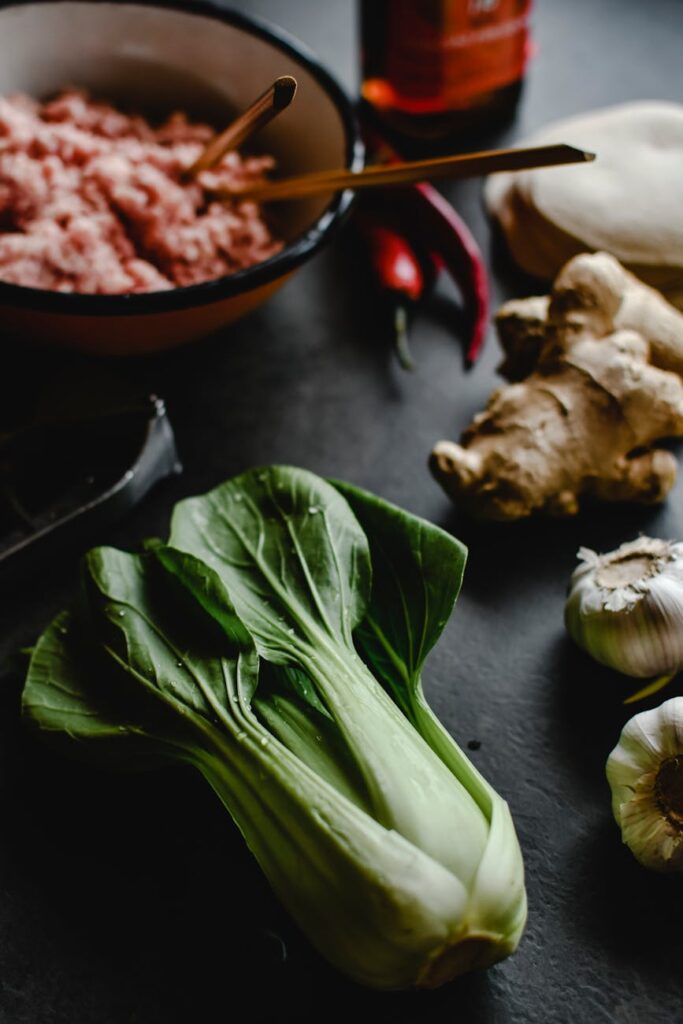
- Color: Healthy bok choy should have vibrant green leaves and a white stalk, indicating freshness and nutritional integrity.
- Freshness: The firmness of the leaves and the absence of wilting or yellowing are key indicators of quality.
- Seasonality: Bok choy is generally available year-round, but peak seasons can impact flavor and price. Buying during peak harvest times typically results in fresher, more flavorful vegetables.
- Appearance: Choose bok choy with crisp, bright green leaves and firm stalks. Avoid any that show signs of decay, such as yellowing or wilting.
- Source: Understanding where your bok choy is grown can provide insight into its quality. Locally sourced produce is often fresher and may have a lower environmental impact due to reduced transportation.
- Stir-Fries: Its crisp texture makes it an excellent addition to stir-fries, where it can retain its crunch even after cooking.
- Soups: Bok choy is often added to Asian soups and broths, contributing flavor and nutrition.
- Salads: Raw bok choy can be sliced thinly and included in salads for added crunch and a mild, peppery flavor.
- Garnishes: The leaves can be used as garnishes for various dishes, adding visual appeal and a fresh taste.
- Refrigeration: Store bok choy in the vegetable crisper drawer of the refrigerator. Ideally, it should be kept in a perforated plastic bag to allow for air circulation while maintaining humidity.
- Shelf Life: Fresh bok choy typically lasts about 3 to 5 days in the refrigerator. Signs of spoilage include wilting leaves, yellowing, and a slimy texture on the stalks.
- Freezing: While fresh bok choy is preferred, it can be blanched and frozen for longer storage. Properly frozen bok choy can last for several months but may lose some texture and flavor.
- Bok Choy vs. Napa Cabbage: Many people confuse bok choy with Napa cabbage. While both belong to the Brassica family, bok choy has a more robust flavor and a different texture.
- Only for Asian Cuisine: While bok choy is a staple in Asian dishes, its versatility allows it to be incorporated into various global cuisines, including salads, casseroles, and even smoothies.
- Yellowing is Normal: While some yellowing can occur, it is not a sign of ripeness. Fresh bok choy should be vibrant green, and any yellowing is a sign of age.
In many producing regions, strict quality control measures are enacted during harvesting and packaging to ensure that only the best products reach consumers. This is particularly important in regions like California, where the competition is fierce, and market standards are high.
Buying Considerations
When purchasing bok choy, consumers should consider several factors to ensure they are selecting the highest quality product:
Uses and Applications
Bok choy is highly versatile and can be used in a variety of culinary applications:
Its adaptability in cooking techniques makes bok choy a favorite among chefs and home cooks alike.
Storage and Shelf Life
To preserve freshness, bok choy should be stored properly. Here are some best practices:
Common Misconceptions
Several misconceptions surround bok choy, often leading to confusion among consumers:
Frequently Asked Questions
1. What is the best way to prepare bok choy?
Bok choy can be stir-fried, steamed, boiled, or eaten raw. The cooking method depends on the desired texture and flavor.
2. Is bok choy available year-round?
Yes, bok choy is typically available year-round, although peak seasons may vary by region.
3. Can I eat the stalks of bok choy?
Yes, both the leaves and stalks of bok choy are edible and nutritious. The stalks provide a crunchy texture, while the leaves offer a tender bite.
4. How can I tell if bok choy is fresh?
Fresh bok choy should have crisp leaves and firm stalks. Avoid any that show signs of wilting or yellowing.
5. Is bok choy high in nutrients?
Yes, bok choy is rich in vitamins A, C, and K, as well as calcium and iron, making it a nutritious addition to any diet.
6. Can bok choy be grown at home?
Yes, bok choy can be grown in home gardens or pots, provided there is adequate sunlight and well-drained soil.
In conclusion, bok choy is not just a culinary ingredient; it represents a rich tapestry of agricultural practices, cultural significance, and global trade. Understanding the regions that produce this beloved vegetable helps consumers appreciate its journey from farm to table, enriching culinary experiences worldwide.