
Top Bulgur Producing Regions
Introduction
Bulgur, a staple in Middle Eastern cuisine, is a whole grain that has gained popularity worldwide due to its nutritional benefits and versatility. Made from cracked wheat, bulgur is not only a vital ingredient in traditional dishes but also a healthy alternative in modern diets. Understanding the regions where bulgur is produced provides insights into its cultural significance, production methods, and quality variations. This article explores the top bulgur-producing regions, their historical contexts, and the nuances of this ancient grain.
What Is Regions?
In the context of bulgur, “regions” refers to geographical areas recognized for their distinct agricultural practices, climate conditions, and cultural traditions that contribute to the cultivation and production of bulgur. Major bulgur-producing regions include Turkey, Syria, Lebanon, and parts of the Mediterranean. Each of these areas offers unique environmental conditions, cultivation methods, and processing techniques, which ultimately influence the quality and flavor of the bulgur produced.
History and Origins
The history of bulgur can be traced back to ancient civilizations in the Fertile Crescent, particularly in regions that now comprise modern-day Turkey and the Levant. Archaeological evidence suggests that bulgur was consumed as early as 4,000 years ago. It is believed that early farmers discovered the process of parboiling and drying wheat, leading to the creation of bulgur as a time-saving food source.
In Turkey, bulgur has been a fundamental part of the diet for centuries, often used in dishes such as kisir and pilaf. Similarly, in the Levant, bulgur is a key ingredient in tabbouleh and kibbeh, showcasing its cultural relevance. As trade routes expanded, bulgur spread to various parts of the Mediterranean, influencing culinary practices across Europe and beyond.
Production and Processing
Bulgur production begins with the cultivation of hard wheat varieties, such as durum wheat, which are particularly suited for this purpose. Regions with temperate climates, adequate rainfall, and fertile soil are ideal for wheat cultivation. Turkey is the largest producer of bulgur, accounting for a significant portion of global output. Other noteworthy regions include Syria and Lebanon, which also contribute to the marketplace.
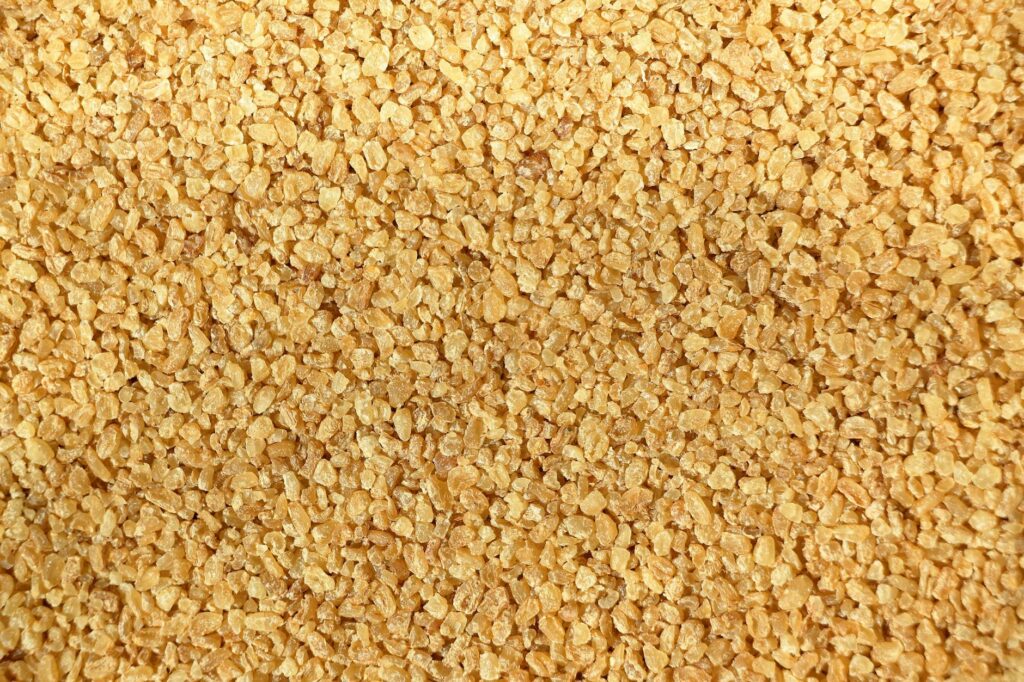
Once harvested, the wheat undergoes a unique processing method. The grains are first parboiled, which involves soaking them in water and then cooking them briefly. This step not only enhances the grain’s nutritional profile but also reduces cooking time for consumers. After parboiling, the wheat is dried and cracked into various sizes, resulting in the bulgur we recognize today. The different grades of bulgur, such as fine, medium, and coarse, are determined by the size of the cracked wheat granules.
Quality and Grading
The quality of bulgur is influenced by several factors, including the type of wheat used, the processing methods, and the region of production. Generally, high-quality bulgur is made from whole, unrefined grains and retains a significant amount of bran and germ, contributing to its nutritional value.
Bulgur is typically graded based on its size and texture:
- Fine Bulgur: Often used in salads and dips, fine bulgur cooks quickly and has a soft texture.
- Medium Bulgur: Commonly used in pilafs and side dishes, medium bulgur has a slightly coarser texture.
- Coarse Bulgur: This type is ideal for hearty dishes, such as stews and pilafs, as it retains a firmer bite.
- Salads: Bulgur is a key ingredient in tabbouleh, a refreshing salad made with parsley, tomatoes, and lemon juice.
- Pilafs: It serves as a nutritious base for pilafs, where it is cooked with vegetables and spices to create a flavorful side dish.
- Meat Dishes: In Middle Eastern cuisine, bulgur is often used as a filler in meat dishes such as kibbeh, where it is combined with ground meat and spices.
- Soups and Stews: Bulgur can also be added to soups and stews, enhancing the texture and nutritional content of these dishes.
When selecting bulgur, consumers should look for products that are free from contaminants and have a fresh, nutty aroma. Packaging should ideally be opaque to protect the grain from light, which can degrade its quality over time.
Buying Considerations
When purchasing bulgur, several factors should be considered to ensure quality and freshness:
1. Source: Opt for reputable brands or local producers known for high-quality bulgur. Regions like Turkey, Syria, and Lebanon are generally reliable sources.
2. Type: Choose the appropriate grade of bulgur based on intended use. Fine bulgur is excellent for salads, while coarse bulgur is suited for main dishes.
3. Packaging: Look for bulgur that is packaged in airtight containers to prevent exposure to moisture and pests.
4. Date: Check for a packaging date to ensure freshness. Bulgur has a long shelf life, but older products may lose flavor and nutritional value.
5. Organic Options: If possible, consider organic bulgur, as it is grown without synthetic pesticides and fertilizers.
Uses and Applications
Bulgur’s versatility makes it a popular ingredient across various cuisines. It can be used in a multitude of dishes, ranging from salads and side dishes to main courses. Some common applications include:
Due to its high fiber content, bulgur is often favored in health-conscious diets, and its nutty flavor complements a variety of ingredients.
Storage and Shelf Life
Bulgur has a relatively long shelf life, typically ranging from 12 to 18 months when stored correctly. To maximize freshness, it is best to store bulgur in a cool, dry place, preferably in an airtight container. Avoid exposure to moisture, heat, and direct sunlight, which can lead to spoilage.
For long-term storage, bulgur can also be kept in the refrigerator or freezer to extend its shelf life. When stored in these conditions, it can last for several years without significant loss of quality.
Common Misconceptions
Despite its growing popularity, several misconceptions about bulgur persist:
1. Bulgur and Couscous: Many people confuse bulgur with couscous. While both are grain-based, bulgur is made from cracked wheat and is a whole grain, whereas couscous is made from semolina wheat and is often considered a refined grain.
2. Gluten-Free Status: Bulgur contains gluten, making it unsuitable for those with gluten intolerance or celiac disease. It is essential to look for gluten-free alternatives if necessary.
3. Nutritional Value: Some consumers perceive bulgur as a low-nutrient grain. In reality, bulgur is high in fiber, vitamins, and minerals, making it a nutritious addition to a balanced diet.
4. Preparation Time: Another misconception is that bulgur requires lengthy cooking. In fact, fine bulgur can be prepared in as little as 10 minutes, making it a convenient choice for quick meals.
Frequently Asked Questions
1. What is the difference between bulgur and cracked wheat?
Bulgur is a type of cracked wheat that has been parboiled, dried, and cracked into various sizes, while cracked wheat is simply whole wheat that has been broken down without the parboiling process.
2. How do I cook bulgur?
Cooking bulgur is straightforward. For fine bulgur, combine one part bulgur with one part boiling water, cover, and let it sit for about 10-15 minutes until the water is absorbed. For coarser bulgur, follow a similar method but use a larger ratio of water.
3. Can I substitute bulgur for rice?
Yes, bulgur can be used as a substitute for rice in many dishes. It offers a similar texture and can enhance the nutritional value of the meal.
4. Is bulgur gluten-free?
No, bulgur is made from wheat and contains gluten. Individuals with gluten intolerance or celiac disease should avoid bulgur.
5. How can I incorporate bulgur into my diet?
Bulgur can be added to salads, soups, pilafs, or even used as a filler in meat dishes. Its versatility allows for various culinary applications.
6. Where can I buy bulgur?
Bulgur is widely available in supermarkets, health food stores, and online. Look for products that specify the grade and source of the bulgur for the best quality.
In conclusion, bulgur is a significant ingredient that embodies the agricultural heritage of its producing regions. With its rich history, diverse applications, and nutritional benefits, bulgur continues to be a beloved staple in many kitchens around the world. Understanding its origins and production methods enhances appreciation for this versatile grain, making it a worthy addition to any culinary repertoire.