
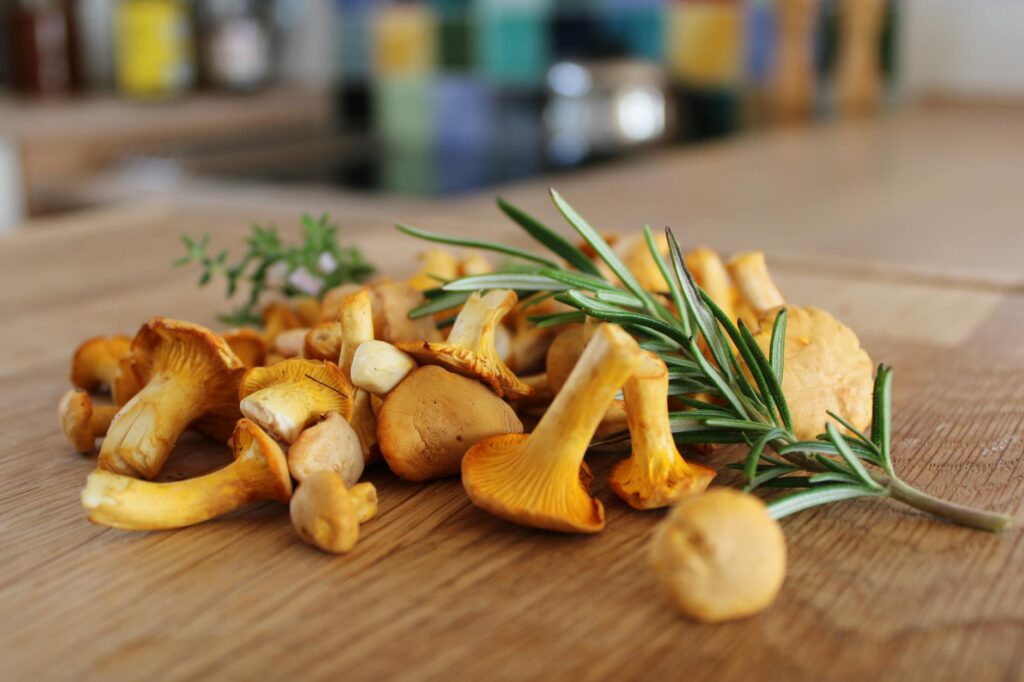
Top Chanterelle Mushrooms Producing Regions
Introduction
Chanterelle mushrooms (Cantharellus cibarius) are one of the most sought-after wild mushrooms, prized for their distinctive flavor and culinary versatility. These golden-hued fungi are not only a delicacy but also a significant contributor to the economies of several regions around the world. This article delves into the geographical hotspots for chanterelle production, examining the environmental factors that contribute to their growth, historical context, and the intricate processes involved in their harvesting and distribution.
What Is Regions?
In the context of food ingredients, “regions” refer to the specific geographical areas where certain ingredients are cultivated or harvested. Each region possesses unique characteristics, including climate, soil type, and local flora, that affect the growth and quality of the ingredients produced. For chanterelle mushrooms, the regions of production range from temperate forests in North America and Europe to specific areas in Asia, each contributing its own nuances to the flavor and texture of these mushrooms.
History and Origins
Chanterelle mushrooms have a long history that dates back centuries. They have been harvested in Europe since the Middle Ages and were often used in traditional dishes. The term “chanterelle” comes from the French word for “little trumpet,” aptly describing the mushroom’s shape. Historically, these mushrooms were foraged by locals and were considered a delicacy in French and Italian cuisines.
Over time, the popularity of chanterelles spread beyond Europe, leading to their discovery in North America, where they thrive in the rich, moist soils of temperate forests. The ecological relationship between chanterelles and certain tree species, particularly conifers and broadleaf trees, has made them an enduring element of forest ecosystems.
Production and Processing
Chanterelle mushrooms are predominantly wild-harvested rather than cultivated, which makes their production highly dependent on environmental conditions. The primary regions for chanterelle production include:
1. North America: The Pacific Northwest, particularly states like Oregon and Washington, is known for its rich biodiversity and favorable climate for chanterelle growth. The region’s temperate rainforests provide the perfect conditions for these fungi.
2. Europe: Countries such as France, Germany, and Sweden are also significant producers. In these regions, chanterelles typically flourish in the late summer and fall, coinciding with the wet conditions necessary for their growth.
3. Asia: While less common, chanterelles can also be found in parts of Asia, particularly in mountainous regions where coniferous forests thrive.
The harvesting process is labor-intensive, often requiring skilled foragers to identify the mushrooms accurately. Once harvested, chanterelles are typically cleaned and processed quickly to maintain their quality. They are often sold fresh, dried, or canned, each method offering different flavor profiles and culinary applications.
Quality and Grading
The quality of chanterelle mushrooms can vary significantly based on several factors, including size, shape, color, and firmness. High-quality chanterelles exhibit a vibrant golden color, a firm texture, and a pleasant aroma.
Grading systems for chanterelles often categorize them into different classes:
- Grade A: These are the best quality mushrooms, showcasing uniform size and color, minimal blemishes, and a firm texture.
- Grade B: Slightly less desirable, these mushrooms may have minor imperfections but are still suitable for culinary use.
- Grade C: Often used for processing, these mushrooms may have significant blemishes or irregular shapes.
- Sautéing: Chanterelles can be sautéed with butter, garlic, and herbs to create a rich side dish or an exquisite topping for meats and fishes.
- Soups and Stocks: Their robust flavor makes them ideal for enriching broths and sauces.
- Pasta and Risotto: Chanterelles add depth to creamy pasta dishes and risottos, pairing beautifully with ingredients like cream, cheese, and seasonal vegetables.
- Garnishes: Due to their appealing appearance, they are often used as garnishes, adding both flavor and aesthetic value to sophisticated plates.
- Refrigeration: Keep fresh chanterelles in a paper bag in the refrigerator to allow them to breathe. This method helps to absorb excess moisture, which can lead to spoilage. They typically last about 5 to 7 days when stored correctly.
- Freezing: For longer storage, chanterelles can be blanched and frozen. This process preserves their flavor and texture, allowing for use in various dishes later on.
- Dried Chanterelles: Dried chanterelles have a much longer shelf life and can be stored in a cool, dark place, often lasting several months to a year if kept in an airtight container.
Understanding these grading systems is essential for chefs and culinary professionals when sourcing chanterelles for high-end dishes.
Buying Considerations
When purchasing chanterelle mushrooms, several factors should be considered to ensure quality and freshness:
1. Source: Always inquire about the source of the chanterelles. Wild-harvested mushrooms from reputable foragers are typically of higher quality than those sourced from less reliable suppliers.
2. Seasonality: Chanterelles have specific growing seasons, usually peaking in late summer to early fall. Purchasing during these times often guarantees better quality and flavor.
3. Appearance: Look for mushrooms that are firm, plump, and free of dark spots or excessive moisture. Fresh chanterelles should have a vibrant, golden-yellow hue.
4. Packaging: If purchasing pre-packaged chanterelles, ensure that the packaging is intact and that the mushrooms are stored at appropriate temperatures to maintain freshness.
5. Dried vs. Fresh: Dried chanterelles can offer intense flavor and be available year-round, while fresh chanterelles provide a delicate texture and unique taste profile.
Uses and Applications
Chanterelle mushrooms are lauded for their culinary versatility. Their delicate, slightly peppery flavor profile complements a wide range of dishes. Common uses include:
Storage and Shelf Life
Fresh chanterelles are best consumed shortly after harvest, but they can be stored for a limited time. Proper storage is crucial to maintain their quality:
Common Misconceptions
Despite their popularity, several misconceptions surround chanterelle mushrooms:
1. Cultivation: Many assume that chanterelles can be easily cultivated like other mushrooms. However, their specific mycorrhizal relationships with tree roots complicate cultivation, making wild harvesting the primary method for obtaining them.
2. Flavor: Some believe that all mushrooms can be substituted for one another in recipes. Chanterelles have a distinct flavor that cannot be easily replicated, making them unique in culinary applications.
3. Toxicity: While there are many edible mushroom varieties, some may confuse chanterelles with toxic species. Proper identification is crucial, as certain look-alikes can be harmful.
Frequently Asked Questions
1. How do you identify chanterelle mushrooms in the wild?
Chanterelles can be identified by their trumpet-like shape, wavy edges, and vibrant yellow to orange color. They also have a pleasant fruity aroma and are often found near coniferous trees.
2. Are there any look-alikes to chanterelle mushrooms?
Yes, the false chanterelle (Hygrophoropsis aurantiaca) resembles chanterelles but has a more orange hue and lacks the fruity aroma. Proper identification is essential to avoid toxicity.
3. Can chanterelles be cultivated commercially?
While there are attempts at cultivating chanterelles, their specific ecological requirements make large-scale cultivation challenging. Most chanterelles are still harvested from the wild.
4. What is the best way to prepare chanterelle mushrooms?
Chanterelles can be sautéed, roasted, or added to soups and sauces. They should be cooked gently to enhance their delicate flavor.
5. How should dried chanterelles be rehydrated?
To rehydrate dried chanterelles, soak them in warm water for about 20 to 30 minutes until they are plump and tender. The soaking liquid can also be used to enhance the flavor of dishes.
6. What are the health benefits of eating chanterelle mushrooms?
Chanterelles are low in calories and high in vitamins, minerals, and antioxidants. However, specific health claims should be approached cautiously, and it is advisable to enjoy them as part of a balanced diet.
In conclusion, chanterelle mushrooms are a culinary treasure that reflects the unique characteristics of their producing regions. Understanding their history, production, and applications can enhance appreciation for these exquisite fungi, enriching both gourmet dishes and everyday meals alike.