
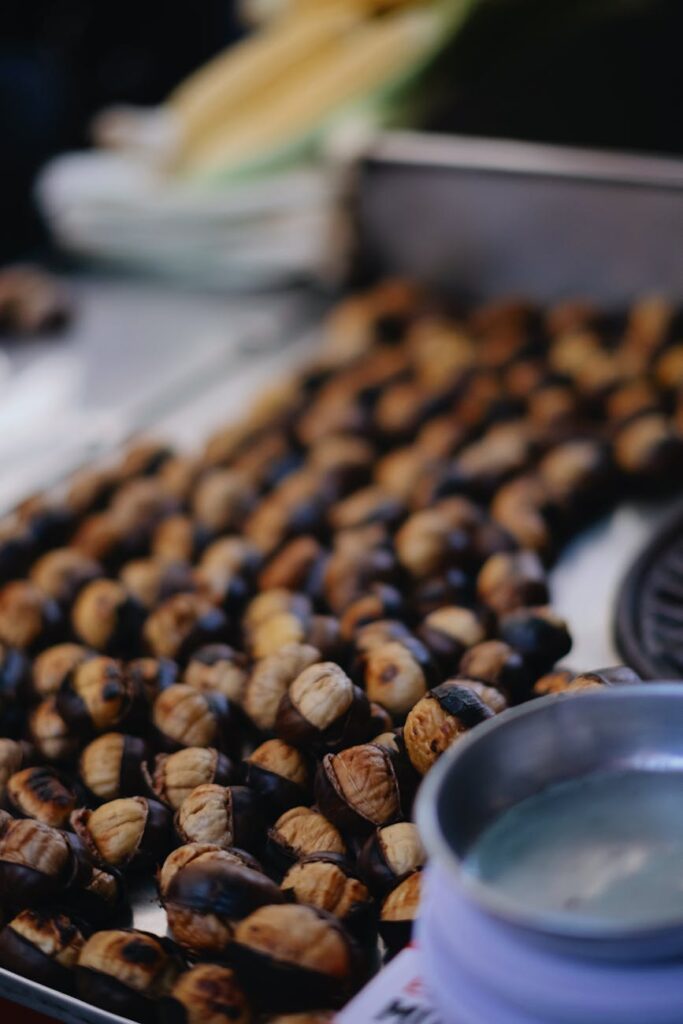
Top Chestnut Puree Producing Regions
Introduction
Chestnut puree, a velvety ingredient known for its rich, nutty flavor, is a staple in various culinary traditions worldwide. It serves as a versatile base for both sweet and savory dishes, and its creamy consistency lends itself well to a variety of applications. This article explores the top regions producing chestnut puree, delving into their unique characteristics, production methods, and cultural significance.
What Is Regions?
In the context of chestnut puree, “regions” refers to geographical areas where chestnuts are cultivated and processed into puree. Each region has its own distinct climate, soil conditions, and agricultural practices, all of which influence the flavor profile and quality of the chestnuts produced. The most renowned regions for chestnut production are primarily located in Europe, Asia, and North America.
History and Origins
The history of chestnuts can be traced back thousands of years, with evidence of their cultivation in regions like Asia Minor and Southern Europe. Ancient Greeks and Romans valued chestnuts not only as a food source but also for their medicinal properties. The introduction of chestnuts to North America occurred in the early 18th century, where they flourished in the temperate climates of the eastern United States.
The production of chestnut puree has its roots in European culinary traditions, particularly in countries like France and Italy, where chestnuts have long been celebrated for their versatility. Today, chestnut puree is integral to various regional cuisines, reflecting a rich tapestry of historical practices and innovations.
Production and Processing
Key Producing Regions
1. France
- Location: The Ardèche and Corsica regions are particularly renowned.
- Characteristics: French chestnuts are often sweet and tender, making them ideal for puree.
- Location: The regions of Campania, Calabria, and Emilia-Romagna are well-known for their chestnut production.
- Characteristics: Italian chestnuts are celebrated for their creamy texture and rich flavor, often used in traditional desserts.
- Location: The regions of Galicia and the Basque Country are significant producers.
- Characteristics: Spanish chestnuts tend to be larger and are often used in both savory and sweet dishes.
- Location: The eastern United States, particularly in West Virginia and Pennsylvania.
- Characteristics: American chestnuts were once a staple but faced decline due to blight. Recent restoration efforts are revitalizing production.
- Unopened: Commercially packaged chestnut puree can last for several years when stored in a cool, dry place away from direct sunlight.
- Opened: Once opened, chestnut puree should be refrigerated and
2. Italy
3. Spain
4. United States
Processing Methods
The production of chestnut puree typically involves several key steps:
1. Harvesting: Chestnuts are hand-harvested in the fall when they naturally drop from their spiky husks. The timing is crucial to ensure optimal flavor and quality.
2. Roasting: Post-harvest, chestnuts are often roasted to enhance their natural sweetness and flavor. This step is particularly common in European practices.
3. Peeling: After roasting, the outer shells and inner skins are removed, leaving the soft, edible flesh.
4. Pureeing: The peeled chestnuts are then blended until smooth. Additional ingredients such as water or sugar may be added, depending on the desired consistency and flavor profile.
5. Packaging: The puree is packaged in jars or cans for distribution, ensuring that it retains its freshness.
Quality and Grading
The quality of chestnut puree is determined by several factors, including the type of chestnuts used, processing methods, and adherence to industry standards.
Factors Influencing Quality
1. Chestnut Variety: Different varieties yield different flavors and textures. For example, the Italian ‘Marrone’ is known for its sweetness and smoothness.
2. Processing Techniques: Traditional methods, such as roasting before pureeing, can enhance flavor and texture, while mass-produced varieties may lack depth.
3. Grading Systems: Some regions employ grading systems to categorize puree based on taste, texture, and appearance, helping consumers make informed choices.
Buying Considerations
When purchasing chestnut puree, several factors should be considered to ensure quality and suitability for your culinary needs:
1. Origin: Look for products that specify their region of origin, as this can often indicate quality. French or Italian purees are generally of higher quality.
2. Ingredients: Check the label for additional ingredients. Pure chestnut puree should ideally contain only chestnuts, with minimal additives.
3. Packaging: Consider the packaging method. Glass jars may offer better preservation than plastic containers, and vacuum-sealed packages can extend shelf life.
4. Taste Tests: If possible, sample different brands to find the flavor and texture that best suit your recipes.
Uses and Applications
Chestnut puree is an incredibly versatile ingredient with a wide range of culinary applications across various cuisines:
1. Desserts: In France and Italy, chestnut puree is commonly used in pastries, cakes, and tarts, often combined with chocolate or vanilla.
2. Savory Dishes: In savory applications, chestnut puree can be used in sauces, soups, and as a filling for pasta or dumplings.
3. Baby Food: Its smooth texture and natural sweetness make it a popular choice for homemade baby food.
4. Gluten-Free Baking: Chestnut puree is often used as a gluten-free flour substitute in baking, providing moisture and flavor to various baked goods.
Storage and Shelf Life
Proper storage is crucial for maintaining the quality of chestnut puree. Here are some guidelines: